
An Overview of Hydraulic Systems
At its core, a hydraulic system is a technology that transmits energy through pressurized, incompressible fluid—typically hydraulic oil—to generate motion and exert force. Even if you’re unfamiliar with hydraulic technology, its practical applications reveal its significance—it’s now ubiquitous across industrial facilities, construction equipment, engineering machinery, and transportation vehicles. Hydraulic systems play indispensable roles in paper mills, logging operations, manufacturing, robotics, steel processing, and beyond.
In the crane industry, hydraulic systems serve as the very backbone of operation. It is through these systems that cranes successfully perform critical tasks like lifting containers, rotating booms, and maneuvering within worksites, ensuring the seamless progression of logistics or engineering processes.
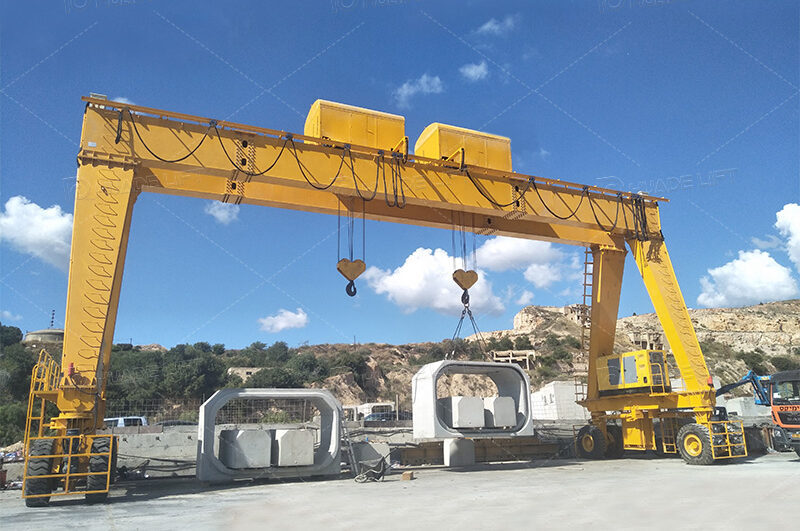
Core Components of Rubber Tyred Gantry Crane Hydraulic Systems
To understand how hydraulic systems function within cranes, one must first familiarize themselves with its key components—each plays a vital role in converting energy into usable motion. Without any one of them, the system struggles to operate normally.
Hydraulic Pump
The hydraulic pump serves as the “heart” of the hydraulic system. Its primary function is to convert mechanical energy generated by the crane’s engine or electric motor into hydraulic energy. By producing a high-pressure fluid flow, the pump provides the power source for the entire system. This pressurized fluid is then distributed to various parts of the system, driving the crane to perform tasks such as lifting, steering, and braking. Without the energy conversion provided by the hydraulic pump, none of these subsequent actions would be possible.
Hydraulic Cylinder
The primary role of the hydraulic cylinder is to provide linear motion power for the crane’s various functions. Whether lifting and lowering container spreaders, controlling crane steering, or adjusting the movement of the mast wheels, hydraulic cylinders are indispensable. They generate power using pressurized hydraulic fluid, while internal seals and valves ensure smooth and controllable motion, preventing operational safety or efficiency issues caused by unstable movement.
Hydraulic Fluid
Hydraulic fluid serves as the core medium of the hydraulic system, fulfilling four critical functions: power transmission, cooling, corrosion protection, and lubrication. It efficiently transfers energy from the hydraulic pump to the cylinders, circulates to reduce system temperature, forms protective films against component corrosion, and minimizes friction losses between moving parts. The quality of hydraulic fluid directly determines system efficiency and stability; substandard fluid severely compromises system performance.
Control Valves
Hydraulic control valves precisely drive hydraulic cylinders or motors by regulating fluid flow direction and volume, enabling operations like boom extension/retraction and load lifting. They also control hydraulic pressure to ensure smooth system operation. Loss of precise control allows unregulated fluid flow, causing crane movement to become uncontrollable and rendering normal operation impossible.
Relief Valves
The core function of relief valves is to limit hydraulic system pressure, preventing overpressure damage to components. When system pressure exceeds the safety threshold, the relief valve immediately opens to divert excess hydraulic fluid. This ensures stable system operation within rated pressure limits, establishing a critical defense for crane safety. It is essential for reducing failure risks under heavy-load conditions.
Hydraulic Filter
The hydraulic filter removes impurities and contaminants from the hydraulic fluid. If left in the system, these contaminants can cause wear or blockages in hydraulic components, disrupting normal operation. Maintaining cleanliness within the hydraulic system is vital for preserving the crane’s performance stability and extending its service life. Regular maintenance and replacement of hydraulic filters effectively reduce system failures caused by contaminants, lowering maintenance costs.
Types of Hydraulic Systems
Not all hydraulic systems used in cranes perform the same functions. Different types of hydraulic systems are designed to meet the specific motion requirements of cranes, from raising and lowering the boom to moving the crane itself, each powered by a dedicated hydraulic system.
Boom Lifting Hydraulic System
The boom lifting hydraulic system ensures crane hoisting operations through the coordinated operation of hydraulic pumps, hydraulic cylinders, and control valves. The hydraulic pump delivers high-pressure fluid to drive the hydraulic cylinders, enabling boom elevation. Control valves regulate flow to ensure precise, controllable movements tailored to different operational requirements.
Slewing Hydraulic System
The slewing hydraulic system drives the crane boom’s horizontal rotation through the collaboration of hydraulic motors, pumps, and control valves, enabling precise lifting and handling of heavy loads. The hydraulic motor provides rotational power, the pump delivers high-pressure fluid, while the control valve precisely regulates flow rate and direction to control the boom’s rotation speed and angle, ensuring smooth and safe operation.
Travel Hydraulic System
The travel hydraulic system propels the crane’s movement across the worksite, enabling forward and backward travel via rubber tires. This system comprises a hydraulic motor, hydraulic pump, and control valve. The hydraulic motor drives tire rotation, the hydraulic pump supplies power, and the control valve regulates flow and direction to precisely control travel speed and direction, meeting diverse operational requirements.
Hydraulic Functions in Rubber Tyred Gantry Cranes
The hydraulic system not only provides general motion power for the crane but also enables a series of specific critical operations. It is precisely these operations that make RTG cranes indispensable in scenarios such as container ports, establishing them as vital equipment in the logistics transportation process.
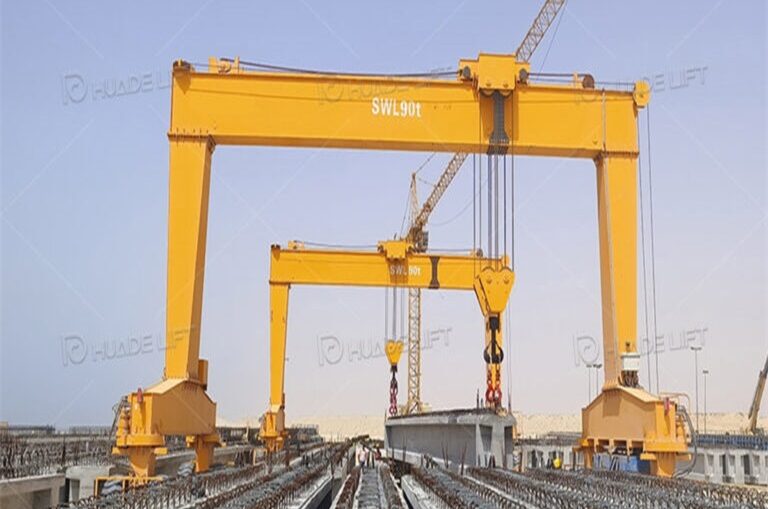
Lifting Mechanism
During container lifting operations, hydraulic oil pressure drives hydraulic cylinders or winches, raising the lifting device to complete the lift. Operators can adjust pressure as needed to ensure smooth, secure lifting and prevent container swaying or falling.
Trolley Travel
Some RTG cranes with hydraulic systems use hydraulic motors to drive the trolley along the gantry, enabling precise positioning of the container spreader. This drive method ensures smooth, continuous movement, effectively reducing spreader sway and minimizing wear on both the container and crane components.
Gantry Travel
The gantry travel of RTG cranes is driven by large hydraulic wheel motors. Under hydraulic pressure, the wheels rotate to achieve forward and backward movement. Directional valves and steering hydraulic cylinders work together to control the direction and path of movement, ensuring precise alignment with the container handling position.
Steering Mechanism
The crane’s steering mechanism primarily adjusts wheel angles via chassis hydraulic cylinders. The advanced hydraulic steering system supports multiple modes—including crab steering, circular steering, and pivot steering—enabling the RTG crane to maneuver flexibly in confined port areas. This effectively avoids collisions, significantly enhancing site space utilization and operational efficiency.
How Crane Hydraulics Work
Having examined the components and types of hydraulic systems, we now delve into how these systems convert energy into crane motion—a seemingly simple yet highly functional closed-loop process where every link is tightly interconnected to ensure stable crane operation.
Energy Generation
The operation of the crane’s hydraulic system begins with the activation of the power source—either a diesel engine or an electric motor entering operational status. As the system’s core power unit, this source transmits rotational kinetic energy to the hydraulic pump via mechanical transmission, providing the primary driving force for subsequent energy conversion and transfer. This step is the prerequisite for the entire hydraulic system’s operation. If the power source fails, the hydraulic pump cannot receive effective drive, causing the entire hydraulic system to lose functionality and halting all crane operations.
Fluid Pressurization
Driven by the power source, the hydraulic pump draws hydraulic fluid from the reservoir and pressurizes it into high-pressure fluid. This pressurized fluid is then conveyed through pipelines to the control valve, awaiting further distribution and direction. During this process, the hydraulic pump must ensure the oil is pressurized to the precise pressure level required for the task at hand. Both excessively high and low pressures can disrupt the normal execution of subsequent actions.
Execution of Motion
The pressurized fluid, guided by the control valve, flows to the corresponding hydraulic cylinder or hydraulic motor. When entering a hydraulic cylinder, the fluid drives the piston inside, generating linear motion—such as lifting/lowering crane hooks or extending/retracting boom sections. When entering a hydraulic motor, the fluid drives the motor to rotate, producing rotational motion—like boom slewing or crane travel. Through this process, the hydraulic system successfully converts hydraulic energy into the mechanical motion required by the crane.
Fluid Return
After completing energy transfer and motion drive, the used hydraulic oil flows back to the hydraulic oil tank through designated pipelines. The oil returning to the tank is not discarded but undergoes cooling within the tank to dissipate heat generated from previous high-pressure operation. Simultaneously, the tank’s filtration system re-filters the oil to remove any impurities that may have entered. The cooled and filtered hydraulic fluid is then stored for reuse. It awaits the next cycle where the hydraulic pump will draw it back in, pressurize it, and send it through the next operational cycle. This closed-loop fluid circulation not only maximizes the utilization of the hydraulic fluid but also ensures the system operates within a relatively stable temperature and cleanliness environment, thereby extending the system’s lifespan.
Design Considerations in Hydraulic System Integration
When designing RTG cranes, integrating the hydraulic system involves more than simply assembling individual components. It requires striking a balance between power, efficiency, and safety while accounting for the crane’s adaptability to harsh port environments to ensure long-term, stable operation.
Load Requirements
Hydraulic system design must precisely match the crane’s load demands, accommodating both static heavy weights and dynamic loads such as container sway during lifting and uneven ground travel. To ensure system safety and reliability, design specifications incorporate safety margins within pressure ratings, preventing system failures or operational accidents caused by unexpected overloads.
System Layout
A compact hydraulic system layout achieves multiple benefits: reducing fluid pressure losses to enhance energy transfer efficiency; conserving internal crane space for optimized overall structure; and minimizing interference between components and other structures to lower failure risks.
Redundancy and Reliability
Given the stringent demands for continuity and efficiency in port operations, hydraulic systems emphasize enhanced redundancy design. By incorporating backup hydraulic pumps or independent circuits, the system can swiftly switch to reserve components upon single-component failure, maintaining basic crane operations. This significantly reduces downtime and effectively safeguards port operational efficiency.
Environmental Conditions
RTG cranes frequently operate in harsh conditions including extreme cold, high temperatures, dust, and humidity. To address this, the hydraulic system employs temperature-adaptive hydraulic fluid to ensure flow stability and viscosity under extreme temperatures; utilizes heat-resistant and wear-resistant seals to prevent seal failure; and incorporates dedicated cooling devices to manage high temperatures, ensuring stable system operation in complex environments.
Noise and Vibration Control
As environmental awareness grows, the port industry is shifting toward green, low-noise operations. The hydraulic system’s integrated design controls noise and vibration through three approaches: installing shock absorbers to reduce vibration transmission; equipping mufflers to lower component operating noise; and optimizing hydraulic pump design to reduce noise at the source. These measures improve the working environment, align with green port requirements, and enhance the company’s environmental image.
Advantages of Hydraulic Systems in Rubber Tyred Gantry Cranes
Hydraulic systems are widely adopted in RTG cranes precisely because they offer numerous unique advantages. These benefits enhance the crane’s operational efficiency, safety, and ease of operation across multiple dimensions, securing its irreplaceable position in ports and similar environments.
Precision Control
Hydraulic systems provide exceptionally high control precision for crane movements, which is particularly critical during container handling operations. Operators can precisely regulate the crane’s lifting height, load positioning, and travel speed by adjusting relevant hydraulic parameters. This precision ensures loads are accurately placed at designated locations, minimizing container damage risks from operational errors while enhancing safety by preventing accidents caused by load misalignment.
High Power Output
The hydraulic system enables the crane to generate substantial lifting force without relying on bulky, heavy mechanical components. This allows the crane to effortlessly handle heavy-load lifting tasks while maintaining high efficiency and reliability throughout operations. For RTG cranes operating in busy, high-demand environments, this robust power output capability is essential for ensuring smooth operations, effectively boosting cargo handling efficiency in ports and similar facilities.
Smooth Operation
Movements driven by the hydraulic system are exceptionally smooth and continuous, minimizing abrupt impacts or jerky motions. This smooth operation not only prevents damage to containers or crane equipment caused by unstable movement, safeguarding cargo and machinery, but also reduces wear on moving components. This extends component lifespan, thereby lowering maintenance costs and decreasing downtime frequency due to part failures.
Compact Design
Compared to mechanical or electrical systems delivering equivalent power output, hydraulic systems feature relatively smaller dimensions and a more compact structure. This compact design allows for flexible installation on cranes without excessive space occupation, while also reducing the crane’s overall weight. The weight reduction and space optimization enhance the crane’s maneuverability, enabling more agile movement and operation within the worksite to adapt to diverse operational requirements.
Challenges in Hydraulic Integration
While hydraulic systems offer numerous advantages for RTG cranes, their integration process presents certain challenges. However, these challenges can be effectively addressed through modern design concepts, high-quality components, and advanced monitoring technologies, ensuring stable operation of the hydraulic system.
Maintenance Complexity
Maintaining hydraulic systems is relatively complex, requiring regular checks of hydraulic fluid, timely filter replacements, and continuous monitoring for leaks. Inadequate maintenance can easily lead to degraded system performance or even failures. To address this, companies must establish comprehensive scheduled maintenance plans specifying tasks and intervals. Concurrently, enhanced training for maintenance personnel is crucial to equip them with professional inspection and maintenance skills. This ensures timely detection and resolution of potential issues, keeping the hydraulic system consistently operating at peak performance.
Leakage Risks
Hydraulic fluid leakage is a potential issue in hydraulic systems. Leaks not only waste fluid and increase operational costs but may also cause environmental hazards in sensitive port areas (such as near water sources), damaging ecosystems. To mitigate this risk:
First, select high-quality seals to enhance system sealing performance and reduce leakage potential at the source.
Second, install leak detection sensors within the system to monitor for leaks in real time, enabling prompt identification and repair of leak points. Additionally, conducting regular visual inspections of the system helps personnel identify potential leaks early and implement appropriate corrective actions.
Energy Loss
Traditional hydraulic systems may experience energy loss during operation due to the continuous running of hydraulic pumps, resulting in reduced system efficiency. To improve this, hybrid system designs combining hydraulic and electric power have emerged in recent years. This hybrid approach flexibly adjusts energy supply methods based on operational demands, minimizing unnecessary energy consumption.
Summary
In summary, this article comprehensively dissects the operational logic of RTG crane hydraulic systems—from fundamentals and components to processes, design, and maintenance. For professionals in ports, logistics, and other crane-dependent industries, these practical insights provide precise guidance for resolving daily operational challenges and optimizing system efficiency to enhance productivity.
As the core power source of RTG cranes, the stable operation of the hydraulic system directly impacts operational safety and efficiency. For those seeking deeper insights into system selection, troubleshooting, and other specialized hydraulic technical points, stay tuned for more professional content designed to help businesses reduce costs and increase efficiency.
