
In today’s rapidly growing global trade environment, the demand for efficient material handling equipment in the logistics and industrial sectors is becoming increasingly urgent. According to relevant data, global cargo trade volume has been steadily increasing in recent years, leading to a significant rise in cargo throughput at ports, logistics centers, and other facilities. As an important material handling device, the rubber tyred gantry crane (RTGC) has established a pivotal role across various industries—including ports, foundries, bridge construction, external logistics and warehousing, wind energy, power plants, and steel mills—thanks to its efficiency, flexibility, and mobility.
The Importance of Automation Trends
Traditional rubber tyred gantry cranes have numerous shortcomings in terms of reliance on human labor, operational efficiency, precision control, and energy consumption and pollution. As the modernization process accelerates across industries, automation has become an inevitable trend for rubber gantry cranes to break through development bottlenecks. Automation not only significantly improves operational efficiency and reduces operational costs but also enhances operational safety and precision, better adapting to complex and dynamic operational scenarios. Therefore, thoroughly exploring its automation trends holds significant practical significance.

What is a rubber tyred gantry crane?
A rubber tyred gantry crane is a large mobile crane that moves on rubber tires and has the ability to flexibly transfer between different sites. Its primary function is to lift, transport, and load/unload various types of cargo, and it is widely used in material handling processes across multiple industries. This crane, with its unique design, demonstrates notable characteristics such as efficiency, flexibility, and mobility, providing strong support for logistics operations across various industries.
Rubber tyred gantry cranes come in a wide variety of types. Among them, single-beam cranes have a relatively simple structure and are suitable for locations with lower lifting capacity requirements and limited operational space; double-girder cranes have greater load-bearing capacity and can handle heavier cargo handling tasks; A-frame cranes, with their unique structural design, offer advantages in stability and lifting height, meeting specific operational requirements under certain conditions. These different types of cranes can fully meet the demands of various complex working conditions.
Automation Trends in Rubber tyred Gantry Cranes
GPS/Beidou Positioning
GPS (Global Positioning System) and Beidou positioning systems play a crucial role in the automation of rubber tyred gantry cranes. In port environments, these positioning systems enable cranes to obtain real-time, precise location information. For example, Xiamen Port has implemented GPS positioning technology on some rubber gantry cranes, allowing them to automatically navigate and accurately dock at designated loading/unloading positions based on positioning data, significantly enhancing operational accuracy and efficiency. In foundries and power plants, positioning systems also help cranes quickly locate the positions of goods to be transported, avoiding time wasted on manual searches.
LiDAR and Visual Navigation
LiDAR scans the surrounding environment to create precise 3D maps, providing rubber tyred gantry cranes with detailed environmental information. Visual cameras identify goods and obstacles, assisting cranes in precise operations. Taicang Port has applied laser radar and visual navigation technology on automated tire cranes. During bridge construction, the crane uses laser radar to sense the surrounding terrain and obstacles, while visual cameras identify the position and shape of bridge components, enabling precise handling and installation of bridge components. In complex environments such as steel mills, this technology helps cranes accurately identify steel materials of different shapes and sizes, improving handling efficiency and safety.
Remote Control System
The remote control system allows operators to control rubber tyred gantry cranes from a control room located away from the worksite. In wind farms, where wind turbines are widely dispersed and the on-site environment is complex, the adoption of a remote control system eliminates the need for operators to work in harsh outdoor conditions. Instead, they can remotely control cranes from a control room using an operating console, thereby enhancing operational safety and comfort. The remote-controlled gantry crane at Meishan Port Area of Ningbo-Zhoushan Port is a typical example. Through the remote control system, operators can monitor the crane’s operational status in real-time and perform precise control, thereby improving operational efficiency. In external logistics scenarios, the remote control system also enables operators to promptly respond to operational demands in different areas and achieve efficient scheduling.
Automatic Loading and Unloading System
Utilizing sensors and algorithms, the automatic loading and unloading system enables the crane hook to automatically grasp and place cargo. In warehouse scenarios, sensors detect information such as the location, shape, and weight of cargo, while algorithms control the movements of the lifting equipment based on this information, enabling precise grasping and placement of cargo, significantly improving loading and unloading efficiency and accuracy. After Tianjin Port Alliance International Container Company implemented automated remote control upgrades for rubber tyred gantry cranes, the automated loading and unloading system played a crucial role in effectively enhancing container loading and unloading efficiency while reducing labor costs. In steel mills, the automated loading and unloading system can quickly and accurately handle steel materials of various specifications, improving the continuity of production processes.
Mechanical Anti-Sway Optimization
By optimizing mechanical anti-sway mechanisms, such as adjusting the angle of steel wires, the anti-sway functionality of rubber tyred gantry cranes in the travel direction can be enhanced. In scenarios like bridge construction and heavy cargo handling, where cargo is large in weight and volume, swaying is more likely to occur. During the renovation of tire cranes at Taicang Port, the mechanical anti-sway mechanism was optimized by reasonably adjusting the length and angle of the steel wires, reducing swaying during cargo handling and improving operational stability and safety. When handling large bridge components, the optimized mechanical anti-sway mechanism ensures smooth lifting of the components, providing assurance for subsequent installation work.
Electronic Anti-Sway Technology
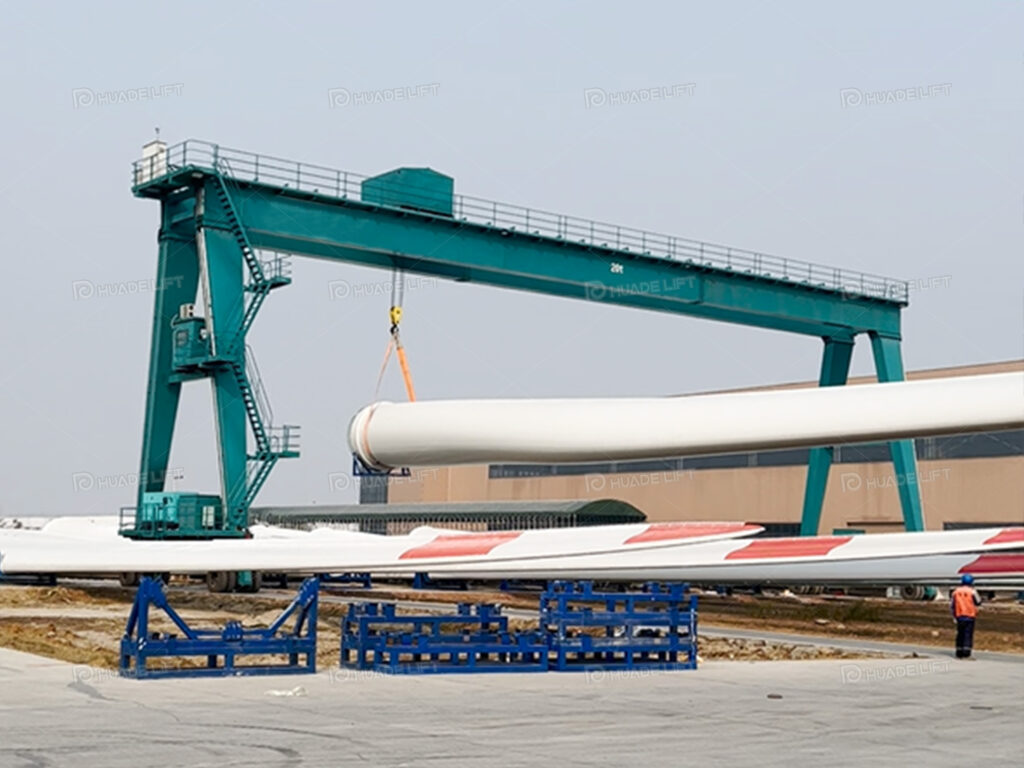
Electronic anti-sway technology utilizes open-loop and closed-loop intelligent control to minimize the swing amplitude of the lifting equipment, ensuring stable automated operations. This technology is particularly critical in scenarios such as wind energy equipment handling and power plant cargo loading/unloading. For example, when handling wind turbine blades, due to their long length, they are prone to swaying due to factors like wind force. The electronic anti-sway system can monitor the swinging of the lifting device in real-time and adjust the crane’s operating parameters through intelligent algorithms to quickly suppress swaying, ensuring the safe handling of the blades. In power plant operations involving the loading and unloading of large equipment, electronic anti-sway technology also effectively ensures the precision and stability of operations.

Advantages and Impact of Rubber Tyred Gantry Crane Automation
Improving operational efficiency
Data comparison
Many companies have seen a significant improvement in operational efficiency after automating their rubber tyred gantry cranes. In steel mills, automated rubber tired gantry cranes can quickly respond to material handling demands on the production line, greatly reducing material waiting times and improving overall production efficiency. Through these actual case data comparisons, the significant role of automation in improving operational efficiency can be clearly observed.
Process Optimization Analysis
In scenarios such as warehousing and external logistics, automation reduces manual operation waiting times. For example, in automated warehousing systems, rubber tired gantry cranes can quickly and accurately transport goods according to system instructions, eliminating the need for manual command issuance and operational preparation as in traditional operations. Seamless integration between various operational phases ensures a smoother process from goods intake, storage, to outbound logistics, significantly enhancing overall operational efficiency.
Reduced Operational Costs
Labor Cost Reduction
In foundries, wind farms, and similar facilities, automation significantly reduces the number of operators required for rubber tyred gantry cranes. Additionally, by minimizing costs associated with employee training and management, operational expenses are effectively controlled. In wind farms, automated cranes can be remotely monitored and managed by a small number of technical personnel, reducing the number of on-site operators and lowering safety risks and labor costs associated with harsh environmental conditions.
Reduced energy consumption
Automated equipment excels in energy management and operational optimization. Across industries, automated rubber tyred gantry cranes can more efficiently plan operational paths and movements, avoiding unnecessary energy consumption and effectively reducing energy costs.
Enhanced operational safety and precision
Reduced safety incidents
In complex operational environments such as bridge construction and heavy industry, human errors can easily lead to collisions and other safety incidents. Automated rubber tyred gantry cranes, through precise control, operate strictly according to pre-set programs, avoiding safety incidents caused by human judgment errors or improper operations, thereby ensuring the safety of personnel and equipment. For example, during bridge construction, automated cranes can precisely lift bridge components to designated positions, avoiding collisions with surrounding structures and ensuring construction safety.
Achieving precise operations
During the loading and unloading of wind energy equipment and heavy goods in steel mills, automated technology ensures the precision of cargo positioning. When handling wind energy equipment, automated cranes can precisely control the position and orientation of lifting devices, accurately installing equipment at designated locations, improving operational quality, and reducing the risk of equipment damage caused by installation errors. When handling heavy steel materials in steel mills, automated systems ensure the precision of steel material stacking locations, facilitating subsequent production and processing.
Driving intelligent transformation and upgrading across multiple industries
In ports, steel mills, wind farms, and other industries, automated rubber tired gantry cranes are a key component of intelligent systems. In ports, automated rubber tyred gantry cranes work in conjunction with automated ship-to-shore cranes, automated guided vehicles (AGVs), and intelligent management systems to form an efficient intelligent logistics system. In steel mills, automated cranes work in tandem with automated production lines and intelligent warehousing systems to enhance the level of intelligent production. In wind farms, automated cranes collaborate with wind turbine monitoring systems and remote maintenance systems to establish an intelligent operational ecosystem for wind farms. These intelligent solutions provide referenceable pathways for intelligent transformation and upgrading for peer enterprises, driving the development of various industries toward intelligentization.
Challenges and Strategies for Rubber tyred Gantry Crane Automation
Technical Challenges
System Integration Complexity
In various industry scenarios, the automation of rubber tyred gantry cranes involves the integration of multiple systems, such as positioning systems, control systems, and sensor systems. These systems come from different suppliers, with varying interfaces, communication protocols, and data formats, leading to compatibility issues during integration. Data interaction between different systems is also complex, often resulting in data transmission delays or losses, which can affect the stability and reliability of automated operations.
High-Precision Technical Requirements
Achieving high-precision automated operations in positioning, anti-sway, and loading/unloading processes across different industries presents numerous technical challenges. For example, when loading/unloading containers at ports, cranes must precisely place containers in designated positions within extremely tight tolerance ranges in complex environments, imposing stringent demands on positioning and control technologies. When handling high-precision industrial components, anti-vibration technology must also meet stringent precision requirements to ensure components remain unaffected by vibrations during handling, thereby maintaining their quality and accuracy.
Cost Investment
Equipment Modification and Purchase Costs
Automating existing rubber tyred gantry cranes or purchasing new automated equipment across various industry scenarios requires significant financial investment. This has, to some extent, limited the widespread adoption of automation technology.
Post-installation Maintenance Costs
In various industry applications, post-installation maintenance of automated equipment demands a high level of professional expertise from technical personnel. These professionals must not only be familiar with the mechanical structure and electrical principles of cranes but also possess knowledge of the operation and maintenance of automated systems. Additionally, the stockpiling of spare parts for automated equipment requires substantial financial investment, as some critical components may be expensive and have long lead times. These factors collectively increase the post-installation maintenance costs of automated equipment. Selecting the appropriate rubber tyred gantry crane supplier is crucial.
Talent Shortage
There is a widespread shortage of professionals who are proficient in operating rubber tyred gantry cranes in various scenarios and familiar with automation technology across industries. Due to the diverse application scenarios of rubber tired gantry cranes, different industries have varying requirements for their operation and maintenance. However, existing talent often possesses knowledge in only a single field, making it difficult to meet the demand for multidisciplinary talent in the automation era.
Strategies for Addressing Challenges
Technology R&D and Collaboration
Companies should increase R&D investments and collaborate with research institutions to tackle technical challenges specific to different industry scenarios. Companies can leverage external research resources to accelerate technological innovation and enhance their technical capabilities in the automation field.
Cost Control Measures
When selecting equipment, companies should choose automation equipment with a high cost-effectiveness ratio based on their actual needs and budget. In terms of optimizing renovation plans, the existing equipment’s usability should be thoroughly assessed to develop reasonable renovation plans and avoid unnecessary waste. In terms of maintenance model innovation, remote monitoring and preventive maintenance can be adopted to reduce maintenance costs.
Talent Development and Recruitment
Within the company, regular employee training should be organized, and industry experts should be invited to conduct technical lectures to enhance employees’ professional skills. Additionally, outstanding external automation professionals should be actively recruited to strengthen the company’s talent pool.
Rubber Tyred Gantry Crane Automation Market Status and Future Outlook
Market Size and Growth Trends
According to data from Acumen Research and Consulting, the global rubber tyred gantry crane market size reached US$1.3 billion in 2022 and is expected to grow to US$2.1 billion by 2032, with a compound annual growth rate (CAGR) of 5.4% from 2023 to 2032. As demand for efficient logistics and intelligent production continues to grow across industries, the rubber tired gantry crane automation market is showing strong growth momentum. In the Asia-Pacific region, driven by the rapid development of manufacturing and trade, demand for rubber tired gantry cranes is particularly robust, with the region accounting for approximately 39% of the market share in 2022. Europe is relatively advanced in the application of automation technology and port modernization, and is expected to achieve market expansion at a high CAGR from 2023 to 2032.
Market Competition Landscape
In various industry automation fields, major rubber tyred gantry crane manufacturers are actively expanding their presence. Huadelift holds a competitive edge with its diverse product portfolio and strong market reputation. International companies like Konecranes dominate the high-end market, with products that excel in technological innovation, automation levels, and reliability. These companies are continuously increasing their R&D investments to launch products with advanced automation features.
Future Development Trends
Technological Innovation Trends
With the widespread adoption of 5G communication technology, rubber tyred gantry cranes will achieve faster and more stable data transmission, further enhancing the real-time and precision of remote control and automated operations. Artificial intelligence (AI) technology will be widely applied in crane fault diagnosis, intelligent scheduling, and operational path planning. By analyzing large amounts of historical and real-time operational data, AI algorithms can accurately predict potential equipment failures and issue early warnings, enabling maintenance personnel to conduct repairs promptly and significantly reduce equipment downtime. In terms of intelligent scheduling, AI can reasonably arrange the operational sequence and task allocation of multiple rubber tired gantry cranes based on the requirements of different operational scenarios, achieving optimal resource allocation.
The application of big data technology will also provide strong support for the automation development of rubber tyred gantry cranes. By collecting and analyzing operational data, energy consumption data, and operational efficiency data from the equipment across various operational scenarios, it is possible to gain a deep understanding of the equipment’s performance characteristics and operational patterns, providing data support for equipment optimization design, operational parameter adjustments, and maintenance strategy formulation.
Application Scenario Expansion
Currently, rubber tired gantry cranes have been applied in multiple fields such as ports, foundries, bridge construction, external logistics and warehousing, wind energy, power plants, and steel mills. In the future, as automation technology continues to mature and costs decrease, its application scenarios will further expand.
In railway freight yards, rubber tired gantry cranes can seamlessly integrate with railway transportation systems to achieve automated loading, unloading, and transshipment of containers and bulk cargo. By interacting with railway scheduling systems, the cranes can prepare for operations in advance based on train arrival/departure times and cargo information, thereby enhancing operational efficiency in railway freight yards.
Inland logistics centers are also potential application scenarios for automated rubber tired gantry cranes. With the rapid development of e-commerce, the cargo throughput of inland logistics centers continues to increase, leading to a strong demand for efficient and precise material handling equipment. Automated rubber tired gantry cranes can collaborate with logistics center warehouse management systems and order processing systems to achieve automated cargo storage, retrieval, and sorting, thereby improving the operational efficiency of logistics centers.
In the mining industry, rubber tired gantry cranes can be used for the loading, unloading, and transshipment of ore. Due to the harsh mining environment, automated cranes can reduce human intervention and ensure the safety of workers. Additionally, their high-efficiency operational capabilities can meet the demands of large-scale mining production.
Conclusion
In the future, with the widespread application of advanced technologies such as 5G, artificial intelligence, big data, and digital twins, the automation level of rubber tired gantry cranes will continue to improve, and their application scenarios will further expand. Various industries should seize this opportunity to actively promote the automation renovation and upgrading of rubber tyred gantry cranes to adapt to the rapid development of global trade and logistics industries and enhance their core competitiveness.
At the same time, enterprises, research institutions, and universities should strengthen cooperation to jointly tackle technical challenges, cultivate professional talent, and provide a solid foundation for the sustained development of rubber tired gantry crane automation.
For customized lifting equipment and more information about rubber tyred gantry cranes, please contact us directly!
