
Challenges in Operating RTG Cranes and How to Overcome Them
Introduction
Rubber-tyred gantry cranes (RTG cranes) are indispensable lifting equipment in ports, container yards, industrial zones, and logistics centers, performing critical tasks such as container transshipment and stacking, which directly impact the operational efficiency of logistics hubs. However, the operation of RTG cranes is not without its challenges. From equipment operation to cost control, from safety management to personnel training, there are numerous potential issues. If these challenges are not effectively addressed, they can lead to reduced operational efficiency, soaring operational costs, and even safety incidents, thereby impacting the overall competitiveness of the port. Therefore, conducting an in-depth analysis of the common challenges in RTG crane operations and proposing targeted solutions holds significant practical importance for enhancing operational standards.
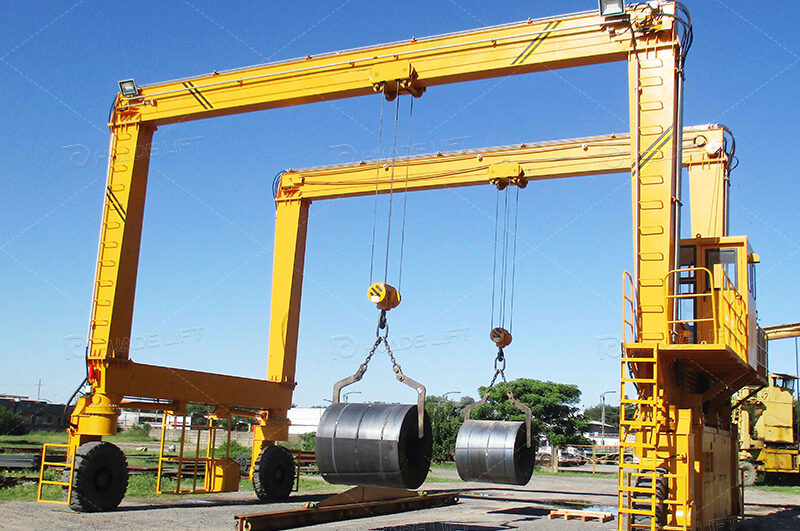
Common Challenges in RTG Crane Operations
Operational Complexity and Difficulty
The operational process of RTG cranes involves the coordination of multiple variables—precisely controlling the movement of the main crane, the travel of the trolley, and the lifting of the hoisting mechanism, while also adjusting the operational plan based on the real-time location of containers, yard stacking plans, and the priority of inbound and outbound orders. For example, during the process of transferring containers from the ship to the yard after unloading, the operator must simultaneously monitor the unloading rhythm of the gantry crane, the reserved stacking space in the yard, and the timing of subsequent container trucks. Any misjudgment in any of these steps could lead to operational interruptions.
Additionally, under traditional manual operation modes, the operator’s experience and condition directly determine operational efficiency. If the yard layout is unreasonable or during peak periods when orders surge, issues such as truck congestion and stacking conflicts are likely to arise, creating efficiency bottlenecks. Data shows that operational delays caused by improper handling account for over 30% of RTG crane operational failures, and in severe cases, they can even impact the entire port’s cargo turnover cycle.
Fuel Consumption and Emissions
Currently, many ports still rely on traditional diesel-powered RTG cranes as their primary equipment. To meet high-intensity operational demands, these devices typically feature high-power diesel engines, with daily fuel consumption per unit reaching 150–200 liters, and some older models even higher. With the intensification of international oil price fluctuations, fuel costs have become a significant expenditure item in RTG crane operations, accounting for 40%-50% of the total operational costs of the equipment, imposing a heavy economic burden on enterprises.
Additionally, diesel engines emit large amounts of pollutants such as NOx and PM2.5 during operation, which do not comply with increasingly stringent global environmental regulations (e.g., the EU’s IMO Tier III emissions standards and China’s 14th Five-Year Plan for Green Port Development). Some coastal ports face environmental penalties due to RTG crane emissions or may need to invest additional funds in exhaust treatment equipment, further increasing operational costs.
Operator Fatigue and Safety Risks
RTG crane operators must work for extended periods in the cab, with single shifts often lasting 8–12 hours, requiring constant concentration—they must precisely control equipment movements via the control panel while monitoring the surrounding environment through the observation window (e.g., to avoid collisions with adjacent cranes, trucks, or yard personnel). Prolonged high-stress conditions can lead to operator issues such as visual fatigue, muscle soreness, and lack of concentration, thereby increasing the likelihood of operational errors, such as misjudging lifting heights causing container collisions with stacks or improper control of travel speeds leading to equipment vibrations.
Additionally, as heavy-duty equipment, RTG cranes inherently pose multiple safety hazards during operation: lifting mechanism failures may cause containers to fall, blind spots during crane movement may result in personnel injuries, and reduced equipment stability under adverse weather conditions (such as heavy rain or strong winds) may lead to overturning accidents. According to industry statistics, accidents caused by operator fatigue account for 25% of all RTG crane accidents, making safety management a top priority in operations.
Equipment Maintenance and Downtime
RTG cranes feature complex mechanical structures, including core components such as hoisting mechanisms, traveling mechanisms, and boom-adjusting mechanisms. They operate in high-load, dusty environments, leading to rapid component wear—for example, wheel bearings may fail due to frequent loading and friction, steel wires may break during repeated lifting cycles, and hydraulic systems may leak due to dust ingress.
The traditional “repair after failure” model has obvious drawbacks: on one hand, sudden equipment failures can cause operational interruptions, with single downtime repairs potentially lasting several hours or even days, directly impacting yard operation schedules; on the other hand, reactive maintenance fails to promptly identify potential hazards, potentially allowing minor issues to escalate into major damage (e.g., bearing wear not replaced in time leading to gearbox failure), significantly increasing maintenance costs. Data shows that downtime caused by improper maintenance accounts for 5%-8% of the annual total operating time for RTG cranes, severely impacting equipment utilization rates.
Operator Training and Skill Gaps
With the upgrading of port automation and intelligence, the operational requirements for RTG cranes have shifted from simple equipment control to comprehensive operational planning and emergency response, significantly raising the skill requirements for operators—they must not only master equipment operation techniques but also be familiar with digital tools such as yard management systems (YMS) and container tracking systems (CTS), and be able to adjust operational strategies based on data feedback.
However, the current industry faces a significant mismatch between supply and demand for professional RTG crane operators: on one hand, older operators have limited adaptability to digital tools and struggle to meet intelligent operation requirements; on the other hand, younger workers are reluctant to enter the field due to high work intensity and unclear career development paths, exacerbating the talent shortage. Additionally, most companies lack systematic training systems, relying instead on traditional apprenticeship methods to train newcomers. This results in lengthy training periods (typically 6–12 months) with inconsistent outcomes, leading to significant variations in operator skill levels. Some personnel may cause low operational efficiency and rapid equipment wear due to insufficient proficiency.
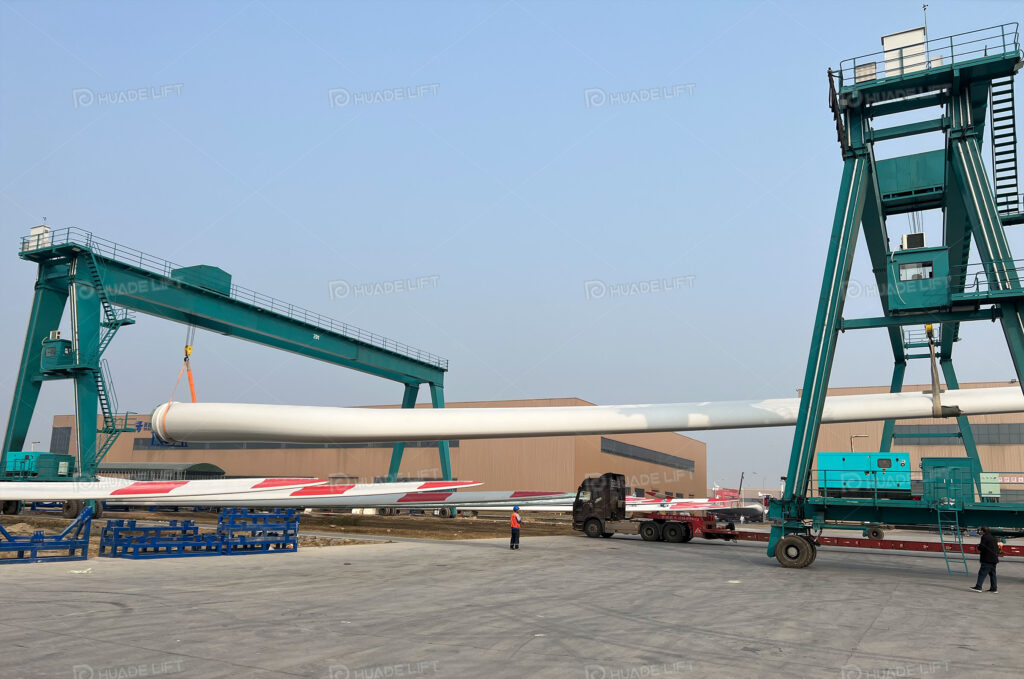
How to Overcome Challenges of RTG Crane
Utilizing Automation and Digitization
Automation and digitalization are the core directions for addressing the complexity of RTG crane operations and reducing human errors. On one hand, by installing equipment such as lidar, visual sensors, and GPS positioning systems, RTG cranes can achieve semi-automatic or fully automatic operation. For example, fully automated RTG cranes can automatically obtain container location information through signal coordination with gantry cranes and container trucks, precisely executing operations such as main crane movement, auxiliary crane positioning, and lifting/loading/unloading without human intervention. Operational accuracy can reach ±50mm, and continuous 24-hour operation is possible, with efficiency improvements of over 30% compared to manual operations.
On the other hand, by integrating data analysis technology, an integrated “equipment-yard-management” platform is established: real-time collection of RTG crane operation data (such as lifting frequency, travel distance, operation duration), yard data (such as stacking area utilization rate, container turnover rate), and order data (such as port entry/exit times, priority levels) is utilized to optimize operation paths and stacking plans through algorithmic optimization. For example, by analyzing data to predict peak operational periods, RTG crane schedules and yard space reservations can be adjusted in advance to avoid congestion. Through intelligent scheduling algorithms, optimal operational tasks can be assigned to multiple RTG cranes, reducing idle time.
Adopting Hybrid or Electric RTG Cranes
Addressing the high energy consumption and emissions of traditional diesel RTG cranes, replacing them with hybrid or fully electric RTG cranes is an inevitable trend. Hybrid RTG cranes typically use a “diesel engine + lithium-ion battery” power combination. During low-intensity operations (such as empty vehicle movement or minor lifting), only the lithium-ion battery is used for power. During high-intensity operations (such as heavy-load lifting), the diesel engine and lithium-ion battery work in tandem, reducing fuel consumption by 30%-40% and lowering pollutant emissions by 25%-35%; Pure electric RTG cranes rely entirely on lithium-ion batteries for power, charged via grid electricity or solar power, achieving zero emissions and zero noise. Operating costs are reduced by over 50% compared to diesel models.
Additionally, some ports have explored “fuel-to-electric” retrofit solutions—upgrading the power systems of existing diesel RTG cranes by installing lithium-ion battery packs, charging interfaces, and electronic control systems. The retrofit cost is only 60% of purchasing new electric models, and after retrofitting, they achieve energy consumption and emissions levels comparable to new electric models. For example, after retrofitting 10 diesel RTG cranes with modifications, a container yard in Shenzhen reduced annual fuel consumption by 1.2 million liters, cut carbon emissions by 3,200 tons, and saved approximately eight million CNY in annual operational costs.
Enhancing Operator Comfort and Safety
To enhance operator comfort and safety, efforts should focus on two key areas: hardware upgrades and technical safeguards. In cab design, ergonomic principles are applied — featuring adjustable suspension seats (to minimize the impact of equipment vibrations on operators), multi-angle adjustable control panels (to accommodate the operational preferences of operators of different heights), large-sized high-definition displays (replacing traditional instrument panels to visually display equipment status and operational data), while also installing air conditioning, air purification systems (to improve cabin air quality), and noise-reducing soundproofing materials (to keep cabin noise levels below 60 decibels), thereby reducing operator fatigue.
In terms of safety technology, in addition to traditional limit switches and emergency braking systems, intelligent safety protection devices can be introduced: using visual sensors and AI algorithms, the system continuously monitors the positions of personnel and equipment around the cab. If a potential collision risk is detected, it automatically triggers an audible and visual alarm and initiates deceleration or shutdown; Equipped with an operator status monitoring system, which uses cameras to capture the operator’s facial expressions and eye movements. If fatigue (such as closing eyes or yawning) or inattention (such as looking down at a phone) is detected, it immediately alerts the operator and coordinates with the dispatch center to arrange for a shift change; Promote remote control technology, enabling operators to remotely control RTG cranes from an indoor control room via 3D simulation screens, avoiding operations in harsh weather conditions (such as high temperatures or heavy rain) or dangerous environments, thereby further reducing safety risks.
Preventive Maintenance Strategies
Preventive maintenance is key to extending the service life of RTG cranes and reducing the risk of downtime. First, introduce Internet of Things(IoT) sensors and predictive monitoring systems: install temperature, vibration, and pressure sensors on the crane’s core components (such as wheel bearings, steel wires, and hydraulic pumps) to collect real-time component operation data, and analyze data trends through a cloud platform — for example, when bearing temperature exceeds thresholds or vibration frequency becomes abnormal, the system automatically issues warnings, prompting maintenance personnel to inspect promptly to prevent fault escalation; by analyzing wire rope wear rates and usage frequency, predict replacement cycles and develop maintenance plans in advance.
Second, establish standardized maintenance procedures: Based on the equipment’s service life, operational intensity, and component wear patterns, classify maintenance levels (e.g., daily inspections, monthly maintenance, annual overhauls), and clearly define the content and schedules for each maintenance level—For example, daily inspections should focus on checking wire rope strand breaks and hydraulic oil levels; monthly maintenance should include cleaning gearboxes and replacing lubricants; annual overhauls should involve disassembling and inspecting hoisting mechanisms and calibrating sensors. Additionally, use a digital maintenance management system to record equipment maintenance history and create an equipment health profile to provide data support for optimizing future maintenance plans. After implementing predictive maintenance, a certain port saw a 60% reduction in sudden failures of RTG cranes, downtime reduced to less than 2% of the total annual operating time, and maintenance costs decreased by 35%.
Comprehensive Training Programs
To address operator shortages and skill gaps, a “theory + practice + digital” integrated training system must be established. On one hand, VR (virtual reality) and simulator technology are used for training: virtual operating scenarios for RTG cranes are created, simulating different operational environments (e.g., daytime/nighttime, sunny/heavy rain) and various fault conditions (e.g., hoisting mechanism jams, gantry travel deviations). Newcomers can repeatedly practice operational techniques and emergency response methods in the virtual environment, reducing the training period to 3–6 months without occupying actual equipment, thereby lowering training costs.
On the other hand, design tiered training content: for newcomers, focus on training in basic equipment operation, safety regulations, and the use of basic digital tools; for experienced operators, conduct digital upgrade training (such as the operation of yard management systems and intelligent scheduling platforms); for senior operators, advanced courses such as operation planning and equipment fault diagnosis are added. Additionally, an incentive mechanism of “training – assessment – promotion” is established — operators who pass skill assessments can receive salary increases or promotions (e.g., from junior operator to senior operator or dispatcher), stimulating learning motivation.
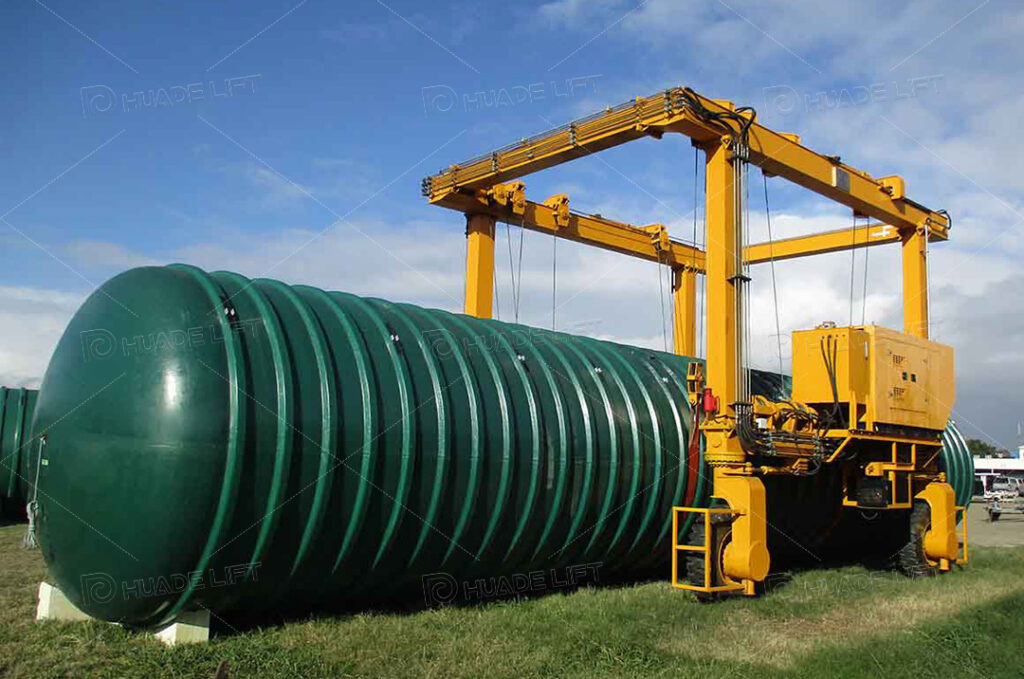
RTG Crane Market Future Trends
Sustainable Development as a Key Driver
As global carbon reduction targets are promoted, environmental regulations will become stricter. On one hand, countries will introduce stricter emission limits, forcing the accelerated phase-out of traditional diesel RTG cranes. The market share of hybrid and fully electric models is expected to rise from the current 30% to over 70% by 2030; On the other hand, the development of zero-carbon ports will drive the deep integration of RTG cranes with clean energy—for example, utilizing port photovoltaic power plants to supply electricity to electric RTG cranes, or exploring hydrogen fuel cell-powered RTG cranes (which offer fast hydrogen refueling and long range, making them suitable for high-intensity operations), to achieve low-carbon operations throughout the entire lifecycle. Additionally, green certifications will become key indicators of port competitiveness, and RTG cranes with low energy consumption and emissions will be more favored by the market.
Integration of Electrification and Automation
In the future, the development of RTG cranes will follow the trend of “electrification as the foundation and automation as the core”. In terms of electrification, in addition to the widespread adoption of pure electric models, wireless charging technologies will be gradually applied — RTG cranes can automatically charge during operational breaks or while moving, eliminating the need for frequent stops at charging zones, thereby further improving operational efficiency; Breakthroughs in battery technology (such as solid-state batteries) will address the current issues of “short battery life and slow charging” in lithium-ion batteries, extending the single-unit operating time from the current 8 hours to over 12 hours.
In terms of automation, multiple RTG cranes will achieve data interconnectivity via 5G or industrial internet, with tasks uniformly allocated by an intelligent scheduling system to collaboratively complete yard operations; Combining digital twin technology, virtual models of the yard and RTG cranes will be established to real-time map the operational status of the physical world. Through simulation and optimization of operational plans, potential congestion or conflicts can be avoided in advance. By 2028, over 50% of newly constructed ports worldwide are expected to adopt fully automated RTG crane clusters, with operational efficiency improving by over 50% compared to traditional manual modes.
Global Competition and Innovation
As demand for RTG cranes grows, competition among equipment manufacturers will shift from product performance comparisons to comprehensive solutions combining technology and services. On one hand, manufacturers must increase R&D investment to overcome core technological bottlenecks—for example, developing more efficient electronic control systems (to enhance equipment response speed), more durable lightweight components (to reduce equipment weight and energy consumption), and smarter fault diagnosis algorithms (to shorten maintenance time), thereby creating a competitive edge through technological innovation; On the other hand, offering customized and full lifecycle services will become a key competitive factor—tailoring RTG crane solutions for customers based on port yard size, operational requirements, and environmental goals (e.g., an integrated solution combining “electric models + solar charging + intelligent scheduling”), while providing end-to-end services including equipment installation, maintenance, upgrades, and recycling to enhance customer loyalty.
Additionally, emerging markets (such as ports in Southeast Asia and Africa) will become growth hotspots for RTG cranes. These regions have strong demand for equipment that is highly cost-effective and easy to maintain. Manufacturers must optimize product design (e.g., enhancing corrosion resistance and simplifying maintenance processes) to address local operational environments (such as high temperatures and humidity) and maintenance capabilities, while providing localized training and after-sales support to capture market share.
Conclusion
Currently, the challenges faced by RTG cranes in all aspects are essentially a contradiction between traditional operating models and modern logistics requirements. And these challenges can be transformed into opportunities for corporate upgrading—not only reducing operational costs and improving operational efficiency but also enhancing the company’s competitiveness in environmental protection and safety.
In the future, as sustainable development concepts deepen and technological innovation continues, RTG cranes will evolve toward being greener, smarter, and more efficient. For relevant enterprises, embracing technological change and upgrading RTG crane solutions is not only a necessary measure to address current challenges but also a key to seizing future market opportunities and achieving long-term development.
