
Introduction
Rubber-tyred gantry cranes (RTGs) are essential handling equipment in modern yards, where their efficiency and safety directly affect logistics operations. Unlike fixed-track systems, RTGs rely on tires for mobility and therefore face more complex working conditions. Environmental factors become a crucial “invisible designer,” shaping the crane’s structural configuration and performance from the outset. Different climates and ground conditions impose varying technical requirements, and neglecting these factors can lead to failures, higher operating costs, or safety risks. Understanding how the environment affects RTG design is therefore essential.

Overview of RTG Operating Environments
RTGs operate across diverse scenarios, including inland industrial zones and coastal ports, each characterized by distinct environmental features. These can be categorized by climate, ground conditions, pollutants, and geographic location.
Climatically, RTGs frequently encounter extreme weather such as high temperatures, freezing conditions, and strong winds. Ground conditions range from level, hardened surfaces to soft, muddy terrain. while pollutants like salt spray, industrial vapors, and sandstorms continuously erode equipment. These factors collectively form the core challenges in RTG design.
Impact of Climate and Ground Conditions on Design Decisions
Climate and ground conditions are central factors influencing RTG design, permeating the entire process of structural, system, and material selection. Climate elements like temperature and wind directly affect metal structures and electrical components, determining strength parameters and protection ratings; Ground conditions, through metrics like bearing pressure, influence tire selection and wheel configuration—essentially achieving precise equipment-environment matching.
Significance of Environmental Adaptation for Safety, Cost, and Reliability
Environmental adaptability design is critical to RTG lifecycle value. On safety, it mitigates risks like equipment overturn; for cost control, it reduces component wear and maintenance expenses while extending service life; enhanced reliability translates to stable operational efficiency, preventing losses from production interruptions.
Environmental Factors Influencing Rubber Tyred Gantry Crane Design
Wind Loads and Structural Stability Requirements
Wind Zone Classification and Design Wind Speed Determination
Countries classify wind zones based on meteorological data, defining parameters like wind speed. RTG design must first identify the wind zone category of the operating site. Design wind speeds are then established considering different equipment states (operational, stationary). In typhoon-prone areas, additional wind resistance measures are required to account for instantaneous wind speeds and directional changes.
Impact on Main Beam, Support Structure, and Anti-Sway Performance
Wind loads generate horizontal thrust and overturning moments on RTGs. Consequently, the main beam requires enhanced stiffness and torsional resistance, while outriggers should adopt stable cross-sectional designs. Wheelbase dimensions must be appropriately increased based on wind load calculations. Additionally, strong winds intensify hook sway, necessitating optimized control algorithms for anti-sway systems to ensure operational precision.
Extreme Temperatures: High Heat, Low Cold, and Temperature Cycling
Effects on Steel, Hydraulic, and Electrical Systems
Steel mechanical properties are temperature-sensitive: load-bearing capacity decreases at high temperatures, while low temperatures induce “cold brittleness.” In hydraulic systems, high temperatures reduce oil viscosity and accelerate seal aging; low temperatures increase oil viscosity, causing system response delays. Electrical components are similarly significantly affected by temperature: high temperatures accelerate insulation aging, while low temperatures may cause component performance instability.
Heat Dissipation and Thermal Insulation Design Optimization
In high-temperature zones, RTGs must equip critical components like engines with efficient cooling systems and select high-temperature-resistant electrical components. In low-temperature zones, thermal insulation measures—such as wrapping insulation layers or installing electric heating devices—are required for hydraulic systems and engines. Temperature-cycling zones necessitate expansion gaps at structural joints to prevent thermal stress damage.
Corrosion and Humidity Effects
Analysis of Typical Corrosive Environments
Chloride ions in coastal salt fog corrode metal oxide layers, triggering electrochemical corrosion. Industrial areas with acidic or alkaline vapors also accelerate metal degradation. In high-humidity conditions, moisture readily condenses on equipment surfaces, causing severe corrosion at electrical interfaces.
Corrosion Prevention Design Measures
RTG corrosion protection requires a multi-pronged approach: employ shot blasting for rust removal and composite coating systems on surfaces; select stainless steel or corrosion-resistant alloys for fasteners and other vulnerable components; utilize high-protection-rated sealed enclosures for electrical systems. In highly corrosive environments, corrosion monitoring sensors can be installed at critical locations.
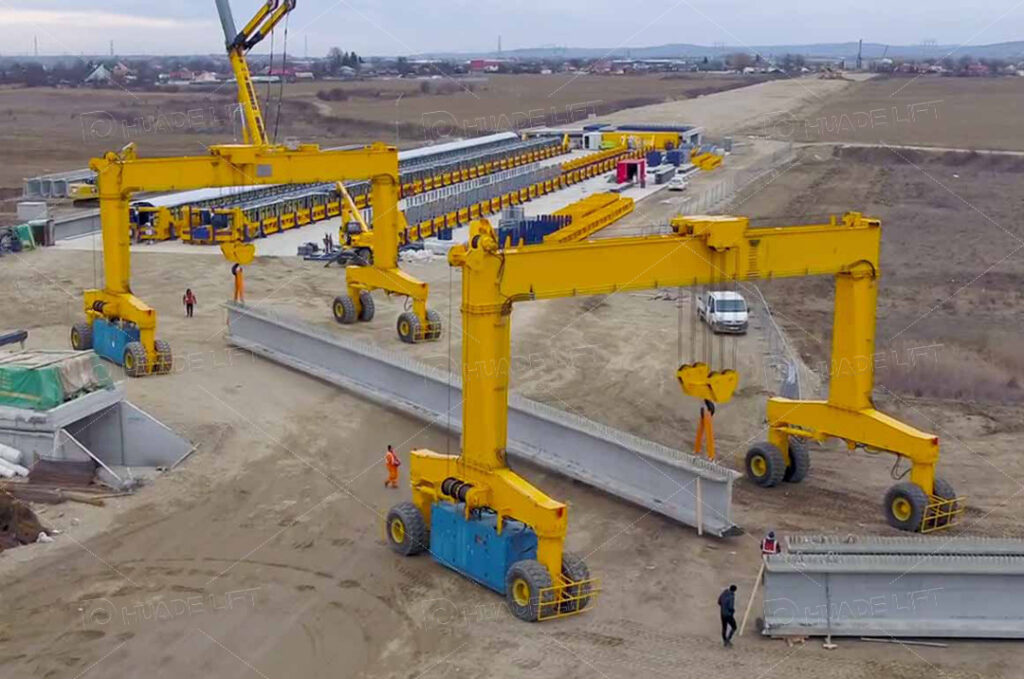
Ground Conditions and Site Surface Quality
Core Influences on Ground Load Pressure
Ground load pressure depends on equipment dead weight, lifting capacity, and number of wheel sets. Insufficient ground bearing capacity can cause subsidence, compromising equipment stability. RTG design must first calculate maximum ground pressure based on site data to ensure it remains below the ground’s allowable load pressure. Weak ground bearing capacity requires design measures to reduce ground pressure.
Wheel Configuration and Leveling System Design
Wheel configuration must match ground conditions; increasing wheel count distributes load. Wide-base tires enhance ground contact area on soft surfaces, while high-elasticity tires mitigate impact on hard, uneven terrain. To address surface irregularities, RTGs require leveling systems that adjust outrigger height via hydraulic or mechanical means to maintain machine leveling.
Dust, Sand, and Contaminants
Contamination Impact Mechanisms
Dust and sand accelerate internal engine wear, reducing power output; entry into hydraulic systems scratches precision components causing leaks; intrusion into electrical cabinets may cause short circuits; and accelerated wear on components like travel mechanism bearings reduces equipment precision.
Protection and Filtration Design
For dust contamination, RTGs require a combined “blocking” and “filtering” protection system. The intake system employs multi-stage air filters, while the hydraulic system uses high-efficiency air filters with regular element replacement. Electrical cabinets feature fully sealed and labyrinth-style ventilation designs. Moving components utilize premium seals with regular lubrication to form an oil film barrier.
Rainfall, Water Ingress, and Drainage Challenges
Core Risks from Rainfall
Rainfall causes slippery surfaces, reducing tire friction coefficients and compromising braking and travel stability. Water ingress into electrical systems can damage insulation and cause failures, while entry into hydraulic systems leads to oil emulsification. Prolonged exposure to rainwater also accelerates corrosion of metal structures.
Anti-Slip, Sealing, and Drainage Design
Anti-slip materials are used in personnel activity areas, with enhanced sealing protection at critical points. Waterproof cables and connectors are selected and sealed. Drainage slopes and drainage holes are installed on main beams and other components. The cab features an optimized wiper design and is equipped with a dehumidifier to prevent window fogging.
Environmental Impact on Power System Selection
The power system is the “heart” of the RTG, with different environments imposing varying demands on fuel supply, heat dissipation, and other aspects. Mainstream options include diesel, battery-electric, and hybrid systems, each with distinct environmental adaptability characteristics requiring scenario-specific selection.
Diesel RTG Performance Across Climates
Diesel power offers proven reliability but is prone to overheating in high temperatures, necessitating large-capacity radiators. Cold-start difficulties in low temperatures require preheating systems and low-grade diesel fuel. High-altitude operation demands fuel system adjustments or specialized engines due to thin air.
Temperature Adaptability of Battery-Powered RTGs
Battery-powered RTGs offer outstanding environmental performance, but their power batteries are temperature-sensitive. Battery capacity degrades rapidly in high temperatures, necessitating efficient thermal management systems. In low temperatures, charging/discharging efficiency decreases, requiring preheating devices. In high-humidity environments, battery compartments must be sealed against moisture to prevent short circuits.
Environmental Adaptability of Hybrid Power Systems
Hybrid systems combine the advantages of diesel and battery power. In high temperatures, they reduce engine operating time and heat generation. At low temperatures, the engine and battery can complement each other; in high-pollution environments, core components can be centrally sealed for protection; in regions with strict emissions regulations, battery power can be prioritized to reduce emissions.
Emissions Regulations and Environmental Compliance Requirements
Global environmental regulations are becoming increasingly stringent. Europe and the United States have established strict emission limits for diesel RTGs, requiring the installation of exhaust aftertreatment systems. Some regions have designated “zero-emission zones,” driving the adoption of battery and hybrid RTGs. Ports near residential areas also need to control noise pollution through structural optimization and other measures.
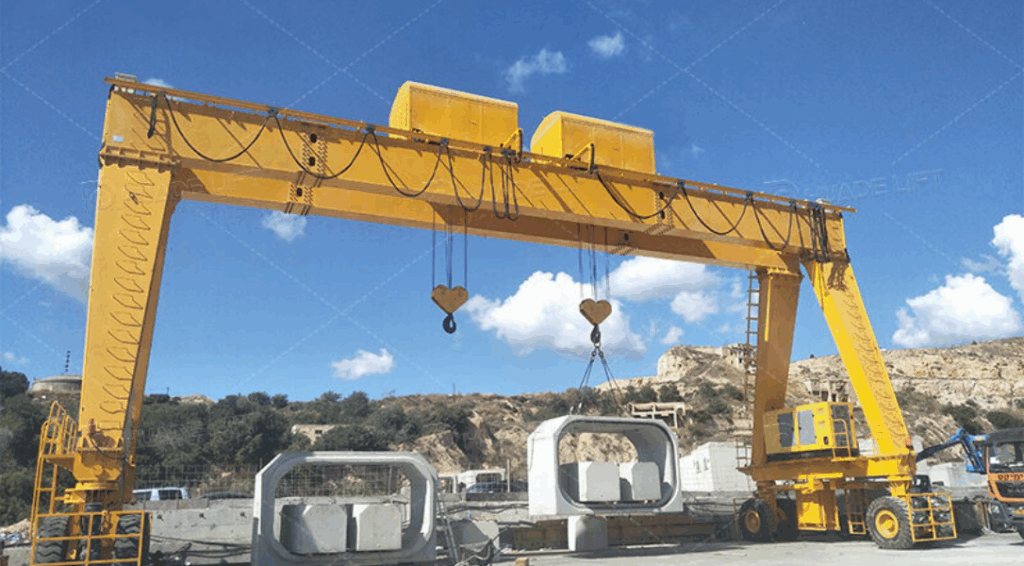
Wheel Systems, Load Distribution, and Surface Interaction
The wheel system is the core of the RTG’s mobility function, bearing the entire load and making direct contact with the ground. Its design rationality impacts both travel stability and tire lifespan. Ground conditions inversely determine wheel configuration, tire selection, and load distribution strategies.
Ground Conditions Shape Wheel Configuration Design
Ground bearing capacity and surface flatness are the primary determinants for wheel configuration. Scenarios with favorable ground conditions allow for fewer wheels, while weak bearing capacity requires multiple wheels to distribute load. Areas with poor surface flatness necessitate independent suspension structures for wheels; environments with frequent turns demand optimized steering mechanisms to reduce tire wear.
Tire Material Selection for Special Environments
Tire material properties determine critical performance metrics: high-temperature environments require heat-resistant rubber compounds; wet surfaces demand deep-tread, high-grip tires; abrasive surfaces necessitate high-hardness, thick-tread tires; low-temperature conditions call for cold-resistant rubber compounds to maintain elasticity and traction.
Environmental Impact on Tire Wear and Maintenance
Ground conditions directly influence tire wear: hard, rough surfaces accelerate abrasive wear, while soft surfaces increase slippage wear. Climate factors include high temperatures accelerating tire aging and low temperatures causing tire hardening; alternating dry/wet conditions enhance ground abrasiveness. Maintenance must align with environmental characteristics, increasing inspection frequency and focus areas accordingly.
Environmental Influence on Operational Safety and Reliability
Operational safety and reliability are core design objectives for RTGs. Extreme weather and complex terrain pose safety threats, necessitating targeted designs to establish comprehensive safety systems.
Anti-Sway Control in Strong Winds or Uneven Ground
Strong winds and uneven surfaces intensify boom sway. In high-wind conditions, anti-sway systems must employ composite control algorithms to dynamically adjust mechanism speeds and suppress sway. Sway caused by uneven ground requires coordinated action between anti-sway and leveling systems. During extreme winds, the boom must be lowered and locked in place.
Visibility, Lighting, and Personnel Safety in Diverse Weather Conditions
During low-visibility weather, cabs require anti-fog/rain glass with high-efficiency wipers; premium models may incorporate cameras to eliminate blind spots. High-intensity lighting illuminates work areas at night while minimizing glare. In extreme environments, cabs must include climate control and air purification systems, with ergonomically designed operator interfaces.
Emergency Braking and Stability on Wet or Icy Surfaces
Wet or icy surfaces reduce tire friction coefficients. RTGs must employ anti-lock braking systems (ABS) to prevent skidding, utilizing disc brakes and anti-slip tires. The travel system requires traction control systems. In extremely slippery conditions, anti-skid chains or sand spreaders may be fitted. Routine brake system inspections are essential.
Fire Safety and Engine Compartment Protection in High-Temperature Zones
RTGs in high-temperature zones face elevated fire risks. Engine compartments require fire-resistant compartmentalization with optimized ventilation and cooling. Interior materials and piping must be flame-retardant, while fuel lines utilize high-temperature, leak-resistant tubing. Install temperature and smoke sensors to trigger emergency measures—such as fuel cutoff and automatic fire suppression—during anomalies. Conduct regular fire safety inspections.
Design Adaptations for Harsh-Environment Rubber Tyred Gantry Applications
Conventional RTG designs fail to meet demands in extreme environments like Arctic cold zones or deserts. Comprehensive upgrades across structural, electrical, and protective dimensions are required to create specialized equipment.
Structural Reinforcement and Stiffness Enhancement
RTGs endure greater load impacts in harsh environments. Main beams should adopt box-type or truss structures for enhanced performance, while legs utilize variable-section designs to boost load-bearing capacity. Materials include high-strength steel, cryogenic-resistant steel for cold regions, and weathering steel for corrosive environments. Connections utilize high-strength bolts or welding, with reinforcing ribs added to fatigue-prone areas.
Electrical and Control System Protection Upgrades
Electrical cabinets employ high-grade sealed enclosures using corrosion-resistant materials and components adapted for extreme conditions. Wiring utilizes oil-resistant, aging-resistant cables protected by conduits, with terminals treated for waterproofing and corrosion resistance. Internal temperature control devices maintain optimal conditions, with some equipment employing redundant control systems for enhanced reliability.
Corrosion Protection Systems and Materials
RTGs utilize shot blasting for rust removal and a composite coating system for corrosion resistance, with increased coating thickness in highly corrosive environments. Structural components employ weathering steel, fasteners use stainless steel or corrosion-resistant alloys, and piping utilizes stainless steel tubing. Sealing areas feature aging-resistant gaskets, with regular anti-corrosion maintenance performed.
Dust, Sand, and Water Protection Solutions
In dusty environments, the engine intake system employs multi-stage filtration, hydraulic systems undergo regular filter element replacement, and electrical cabinets feature fully sealed positive pressure ventilation. For water protection, drainage systems are installed on equipment tops, while electrical interfaces and door covers feature reinforced seals. Complex environments adopt a “barrier-first, filtration-second” strategy with external protective shields.
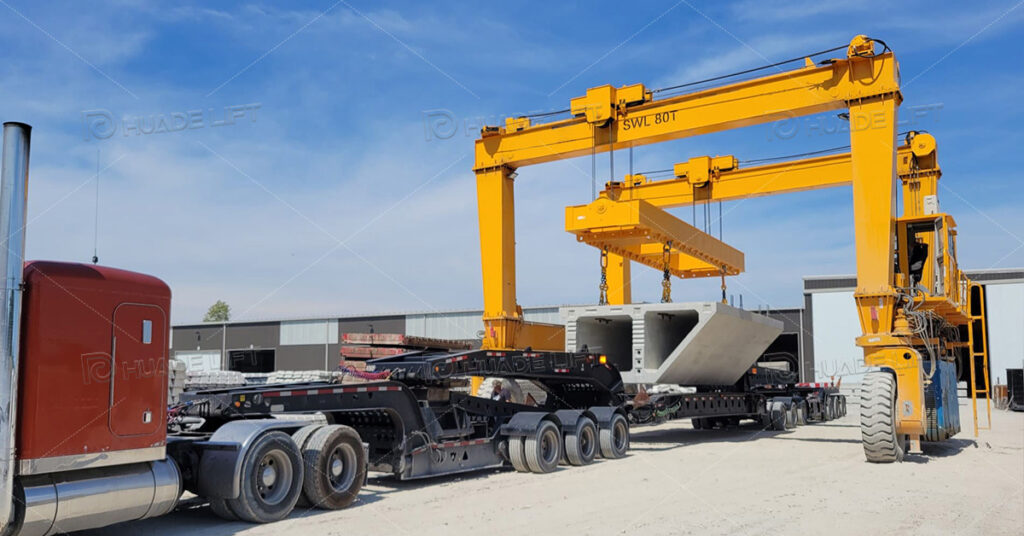
Environmental Factors and Long-Term Maintenance Strategy
RTG long-term maintenance strategies must be closely integrated with the operating environment. The environment dictates failure modes and patterns, and developing customized maintenance strategies can effectively reduce failures, extend service life, and control costs.
Climate-Based Predictive Maintenance Planning
Predictive maintenance anticipates failures by monitoring equipment status and environmental parameters, offering greater precision than scheduled maintenance. In high-temperature zones, prioritize monitoring cooling systems and aging components; in cold regions, inspect starting systems and insulation measures; in rainy, high-humidity areas, focus on waterproofing and corrosion prevention. Establish predictive models using data for accurate forecasting.
Temperature-Based Lubricant and Hydraulic Fluid Selection
Lubricant and hydraulic fluid performance is significantly affected by temperature. High-temperature environments require oils with high viscosity index and shorter replacement intervals; low-temperature environments demand oils with low pour points and cold-weather resistance; areas with large temperature fluctuations should use oils with ultra-high viscosity index. In heavily contaminated environments, increase filtration frequency and select contamination-resistant fluids.
Corrosion Inspection and Structural Health Monitoring
Develop corrosion inspection plans tailored to the environment. Coastal areas should prioritize connections and welds, while industrial zones should focus on components exposed to chemical media. Structural health monitoring employs sensors at critical points for real-time condition assessment and anomaly alerts. Severely corrosive areas may implement cathodic protection with regular anti-corrosion maintenance.
Environmental Impact on RTG Lifecycle Costs
The environment significantly influences RTG lifecycle costs by affecting procurement, maintenance, energy consumption, and equipment lifespan. RTGs with high environmental adaptability may have higher initial procurement costs but reduce maintenance and downtime losses, lower energy consumption, and extend service life, resulting in lower overall lifecycle costs.
How to Evaluate Environmental Requirements When Specifying an RTG Crane
Accurate assessment of environmental requirements is crucial for ensuring equipment suitability during RTG specification. This involves site surveys, data collection, and needs analysis to translate environmental factors into technical parameters, providing a basis for model selection and manufacturer communication.
Site Assessment Checklist
Site assessments must encompass natural environment, site conditions, operational requirements, and regulatory constraints. Key information such as climate type, ground bearing capacity, lifting capacity, and emission regulations must be clarified to provide comprehensive basis for RTG selection.
Environmental Data Collection
Systematically collect environmental data including wind, ground conditions, temperature, and humidity. Wind data should include wind zone classification and wind speed; ground data should cover bearing capacity and surface levelness; temperature data should include extreme temperature values and temperature differentials. Ensure all design-influencing factors are covered.
Matching Environmental Requirements with Structural Design
Environmental data must be converted into design parameters. Wind data determines main beam stiffness and wheelbase. Temperature data specifies material temperature ratings and hydraulic fluid types. Corrosion data informs anti-corrosion strategies. Ground data dictates wheel configuration and tire selection.
Communication Requirements Between Purchaser and Manufacturer
The purchaser must provide the manufacturer with a detailed environmental assessment report and data, clearly defining operating conditions, regulatory requirements, and equipment expectations. They should articulate customized needs for extreme environments to ensure the manufacturer accurately understands and translates these into a suitable design solution.
Conclusion
The environment is a core variable in RTG design, and climate-specific design directly determines equipment reliability. Proper environmental adaptation enhances operational performance, reduces failures, ensures safety, lowers costs, extends service life, and ultimately improves return on investment.
In RTG selection and design, environmental assessment must be prioritized throughout the entire process. Precise environmental adaptation ensures seamless integration between equipment and operational scenarios, providing reliable assurance for the efficient operation of logistics hubs.
