
What is Rubber-Tired Gantry Crane
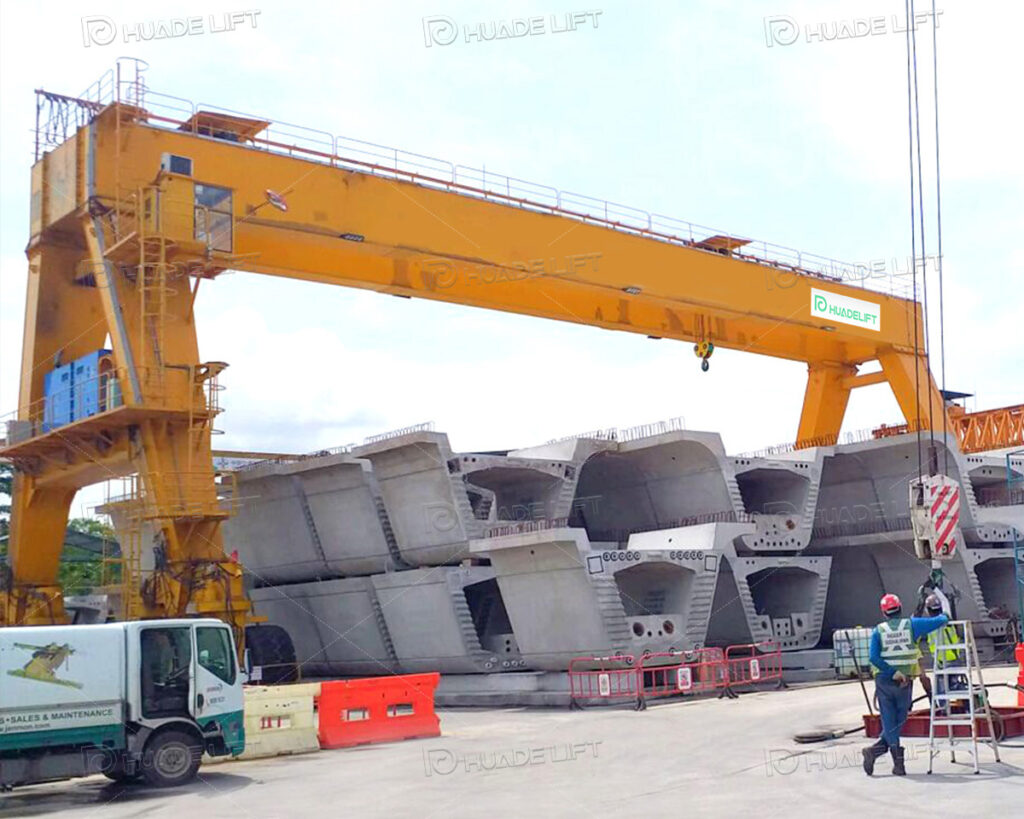
Rubber-Tired Gantry (RTG) Crane is a mobile gantry crane commonly used in industrial or port applications for stacking and handling heavy loads. It features a robust steel structure to support the hoisting mechanism, trolley, and lifting equipment, and operates on rubber tires, enabling it to move freely within the site without the need for tracks. This feature gives it far greater adaptability to the worksite compared to track-mounted cranes.
Types of Rubber-Tired Gantry Crane
Classification by Number of Beams
Single Girder RTG
The single girder RTG uses a single main beam as its primary load-bearing structure, resulting in a lighter overall weight, lower manufacturing costs, and reduced energy consumption. It is suitable for medium to small-sized yards or scenarios with lower operational intensity. Its structure is simpler, making maintenance more convenient; however, it typically has lower load-bearing capacity and span compared to double-girder structures.
Double Girder RTG
Double-girder RTGs consist of two main girders, offering greater structural rigidity and higher load-bearing capacity, making them suitable for large spans, high stacking heights, and heavy-load operating environments. The double-girder structure provides a more stable crane running track, but double-girder RTGs also have relatively higher manufacturing costs, weight, and energy consumption.
Classification by Frame Structure
- A-Frame RTG
The A-Frame RTG features an “A”-shaped frame with side columns that gradually flare outward from top to bottom. This structural design is robust and stable, with excellent wind resistance, and its manufacturing and installation processes are well-established, making it widely used in ports and inland yards. However, its downside is that the clearance space beneath the chassis is relatively limited, which may result in slightly lower traffic efficiency for yards requiring frequent access by large vehicles or equipment.
- U-Frame RTG
The U-type RTG frame is shaped like a “U”, with vertical columns that are relatively straight and a wider opening at the bottom, providing greater clearance for container trucks or special cargo. This design is particularly suitable for operations requiring efficient vehicle movement, such as fast-loading zones in large ports. However, due to the different column shapes and load-bearing mechanisms, U-type structures typically require higher manufacturing standards in design and production.
Classification by Power Options
Diesel-Powered RTG
Equipped with a diesel generator set as the power source, it offers high independence and flexibility, independent of external power grids, making it suitable for scenarios with insufficient power infrastructure or frequent relocation requirements. However, diesel engines have relatively high fuel consumption and exhaust emissions, resulting in higher operational costs and environmental pressures.
Electric RTG
Connected to the grid via a cable reel or overhead contact line, it achieves clean and efficient power supply with low operating costs and zero emissions. Electric RTGs are particularly suitable for ports with high environmental requirements or yards that operate in a fixed area for extended periods. However, their operational range is limited by power supply infrastructure, resulting in relatively lower flexibility.
Hybrid RTG
Combines a small diesel engine with a battery pack for power supply, offering both flexibility and environmental performance. During low-load or idle movement, battery power is used, while the diesel engine provides auxiliary power during full-load operations, effectively reducing fuel consumption and emissions. This is particularly suitable for users who are transitioning to green development but are not yet able to fully adopt pure electric solutions.
Why Choose Rubber-Tired Gantry Crane
Highly Flexible
RTG cranes offer significant advantages in terms of mobility. They can move freely on the ground without tracks, demonstrating exceptional adaptability and the ability to quickly adjust positions to cover the entire worksite. Additionally, the rubber tire design enables multi-directional movement, allowing for flexible operation even in narrow, complex worksite environments, significantly improving space utilization.
Environmental Protection and Energy Conservation
Modern RTG cranes typically use electric drive systems, reducing the use of diesel engines and better meeting environmental requirements. Additionally, electric systems have higher energy efficiency, lowering operational costs and offering greater economic benefits in the long term. In the context of growing global environmental awareness, choosing environmentally friendly and energy-saving RTG cranes also helps businesses establish a positive social image.
Efficient Operation
Quick positioning is a key feature of RTG cranes, enabling them to rapidly reach designated locations, reduce loading and unloading times, and significantly enhance work efficiency. Additionally, they are equipped with advanced electrical control systems and sensors, enabling precise lifting, movement, and placement operations, ensuring operational accuracy and safety, and minimizing losses caused by operational errors.
High Security
RTG cranes are designed with wind resistance in mind, enabling stable operation in port wind conditions and ensuring operational safety. They are also equipped with various safety devices, such as collision prevention systems, emergency braking systems, and load monitoring systems, providing comprehensive protection for personnel and equipment during operations.
Good Economic Efficiency
Compared to rail-mounted cranes, RTG cranes do not require the construction of rail foundations, resulting in lower initial investment costs. Furthermore, the use of an electric drive system reduces fuel and maintenance costs, making long-term operation more economical and helping businesses save significant operational expenses.
Key Specifications of Rubber Tyred Gantry Cranes
Load Capacity (Tonnage)
Load capacity is measured in tons and represents the maximum weight the crane can lift. RTG cranes have diverse load capacities, typically ranging from 20 tons to 65 tons or higher. When selecting a crane, businesses should determine the required load capacity based on the weight of the materials or containers to be lifted, ensuring the crane’s load capacity exceeds the actual required weight.
Span
The span of an RTG crane refers to the distance between the centers of the two outriggers. This parameter is critical as it determines the width of the area the crane can cover. The standard span range is typically between 20 meters and 30 meters, but custom spans can be designed to accommodate different site layouts.
Lifting Height
Lifting height refers to the maximum height to which the crane can lift a load. This parameter is critical for operations requiring loads to be lifted to higher positions. The lifting height of RTG cranes typically ranges from 9 meters to 21 meters, and companies should select based on their specific requirements for lifting height in their operations.
Trolley Travel Speed
Trolley travel speed refers to the speed at which the trolley moves along the gantry. In high-throughput environments, faster trolley travel speeds can improve operational efficiency. Trolley travel speeds typically range from 50 meters per minute to 150 meters per minute.
Gantry Travel Speed
Gantry travel speed measures the speed at which the entire crane moves using rubber tires, which is critical for repositioning the crane within the worksite. Its speed typically ranges from 20 meters per minute to 45 meters per minute.
Power Supply
RTG cranes can be powered by diesel engines, electricity, or a hybrid system combining both. The choice of power supply affects operational costs, environmental impact, and maintenance requirements. Companies must consider factors such as fuel availability, environmental regulations, and operational costs when making a selection.
Turning Radius
The turning radius refers to the minimum circular distance the crane can turn. A smaller turning radius enhances the crane’s maneuverability in narrow spaces, making this parameter particularly important for companies with limited worksite space.
Hoisting Mechanism
The hoisting mechanism includes the hoisting motor, transmission, drum, and steel wire rope or chain. The efficiency and durability of these components determine the overall performance of the crane, so their quality and performance must be carefully evaluated during selection.
Control System
Modern RTG cranes are equipped with advanced control systems that enhance operational precision, safety, and ease of use, potentially including automatic control, remote control functionality, and safety interlocks. Businesses should select an appropriate control system based on their operational requirements and technical capabilities.
Determining the Specifications of a Rubber Tyred Gantry Crane
Choosing the right RTG crane requires a comprehensive analysis of the company’s operational needs and site conditions. The following are the steps to determine the appropriate gantry crane parameters and specifications:
Assess Load Requirements
First, clearly define the maximum weight of the load to be lifted and ensure that the crane’s load capacity exceeds this requirement. Additionally, consider the weight of any lifting accessories or tools used in conjunction with the crane to avoid operational issues or safety risks due to overloading.
Evaluate Site Dimensions
Measure the width and length of the area where the crane will operate, which will help determine the required span and lifting height. Additionally, consider any obstacles or restrictions within the work area to ensure the crane can operate smoothly within the site.
Analyze Operational Workflow
Understand the flow of materials or containers within the facility, determine the average distance loads need to be moved, and the required transfer speed. This information will influence the selection of parameters such as trolley travel speed and gantry travel speed, ensuring the crane aligns with the company’s operational workflow and enhances overall operational efficiency.
Consider Power Options
Based on the company’s operational requirements, decide whether a diesel-powered, electric-powered, or hybrid-powered RTG crane is more suitable. Factors such as fuel availability, environmental regulations, and operational costs must be comprehensively considered. For example, in regions with strict environmental requirements, electric or hybrid-powered RTG cranes may be a better choice.
Evaluate Maneuverability
If the worksite has limited space or requires frequent repositioning of the crane, ensure the RTG crane has a sufficiently small turning radius and appropriate mast operating speed to achieve optimal maneuverability, avoiding delays in operational progress due to insufficient crane maneuverability.
Review Hoisting Mechanism
Verify that the hoisting mechanism meets the required lifting height and ensures reliable performance. Note whether features such as anti-sway technology are available, as anti-sway technology enhances load stability during lifting, improving operational safety and efficiency.
Examine Control Systems
Select an RTG crane with a control system that aligns with operational requirements. Automatic systems can enhance efficiency, while remote control options provide flexibility for crane operation, allowing businesses to choose based on their operational preferences and technical capabilities.
Consult with Manufacturers and Suppliers
Communicate with RTG crane manufacturers and suppliers to discuss the company’s specific requirements. They can provide detailed information about available models, assist in customizing the crane to meet the company’s needs, and offer insights into the latest technological advancements and best practices in RTG crane operations.

Key Factors to Consider When Choosing Rubber Tyred Gantry Crane Manufacturers
Reputation and Industry Experience
First, research the reputation and industry experience of potential tire-mounted gantry crane manufacturers, seeking companies with a proven track record in RTG crane design, manufacturing, and service. Manufacturers with a history of successful projects are typically more reliable choices.
Quality and Engineering Expertise
Evaluate the manufacturer’s commitment to quality and engineering excellence, including inspecting the materials used, welding standards, and compliance with industry regulations. Additionally, verify that the supplier’s RTGs meet international safety standards and certifications, such as ISO 9001, CE, or UL. High-quality craftsmanship ensures the crane’s durability and reliability, reducing maintenance costs and the risk of failures in the long term.
Customization Options
Different operations have unique requirements. Choose a manufacturer that offers customization options to tailor the RTG crane to your specific needs, which may include adjusting the crane’s span, height, and capacity to match your facility layout and cargo throughput.
Technology and Innovation
Technology in the material handling industry is constantly evolving. Look for manufacturers that keep pace with the latest innovations, such as automation, remote monitoring, and energy-saving features. RTG cranes equipped with advanced technology can enhance productivity and reduce operational costs.
Safety Features
Safety is always a top priority. Inquire about the safety features incorporated into the RTG crane design, such as collision prevention systems, overload protection, and emergency shutdown mechanisms. A safe working environment is critical for both personnel and equipment.
Maintenance and Support Services
Consider the availability of maintenance and support services provided by the manufacturer. Regular maintenance is essential for keeping the crane in optimal condition. Manufacturers offering comprehensive service packages and readily available spare parts can minimize downtime.
Environmental Considerations
In today’s eco-conscious world, environmental factors are critical. Some manufacturers focus on developing environmentally friendly RTG cranes with lower emissions and reduced energy consumption. Choosing a manufacturer committed to sustainability aligns with global environmental goals and helps businesses achieve green operations.
References and Case Studies
Request references and case studies from manufacturers to gain insights into their past projects. This enables businesses to assess the performance of their RTG cranes in real-world applications and verify their claims.
Cost and Long-Term Value
While cost is a factor, it should not be the sole deciding factor. Consider the long-term value of the investment; high-quality RTG cranes may have slightly higher upfront costs but can yield significant savings over their lifespan through reduced maintenance and increased productivity.
Local Support and Global Presence
Evaluate the manufacturer’s local support and global presence. Local presence can facilitate timely responses to service requests, while a global network can provide expertise and resources when needed.
Case Studies of Right RTG Crane Selection
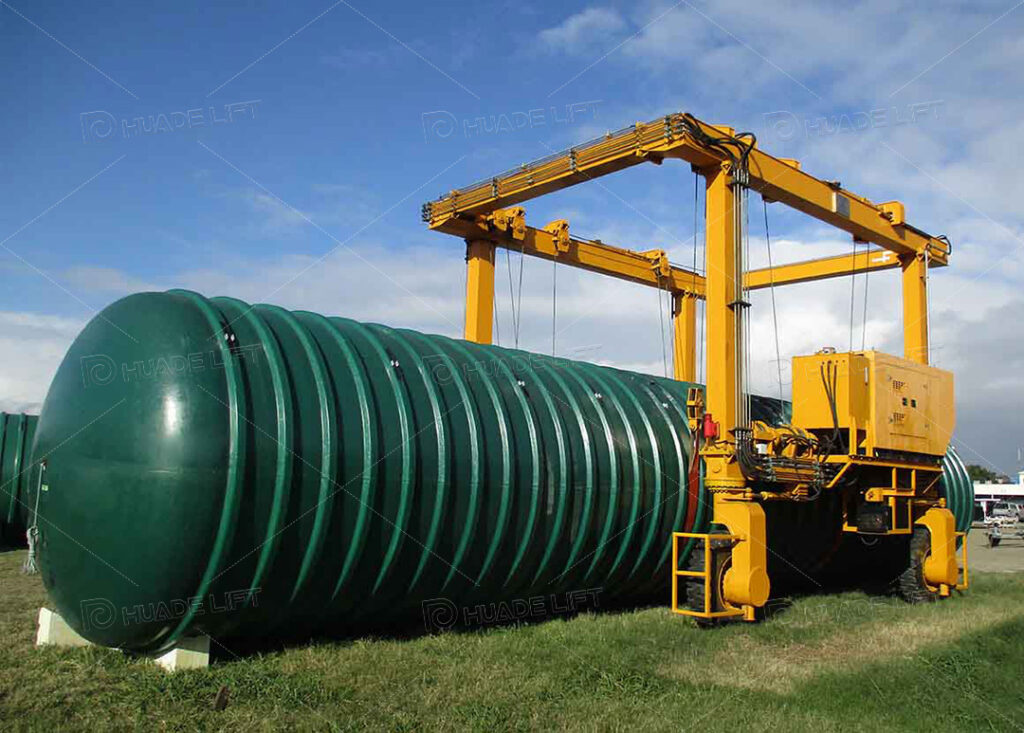
Singapore Tank Handling Company has introduced Huadelift’s 30T automated RTG crane to handle its growing freight volume. The 30-ton automated RTG crane is designed to handle tanks of various sizes and weights, with a lifting capacity of 30 tons and the ability to move tanks quickly and efficiently within the yard. The machine is also equipped with adjustable lifting gear to accommodate the size of the tanks being lifted. Furthermore, the 30T automated RTG crane is powered by an electric motor, with rubber wheels to reduce noise and enhance traction. This solution enhances production stability through automation, offers lower initial investment costs (compared to track-based systems), and has significantly improved operational efficiency for Singapore Tank Handling Company, setting a benchmark for the industry.
Conclusion
In summary, selecting the appropriate RTG crane requires comprehensive consideration of various factors, from equipment parameters and specifications to manufacturer selection and price comparisons. Every step is critical. Enterprises should conduct a thorough and detailed assessment and analysis based on their actual needs and long-term development plans to ensure that the selected RTG crane can provide robust support for business operations and achieve the goals of efficiency, safety, and economy.
