
Introduction
For enterprises requiring the procurement of rubber-tired gantry cranes (RTGs), this equipment represents not only a significant investment but also directly impacts site operational efficiency, work safety, and long-term cost control. However, during the actual procurement process, many companies fall into various pitfalls due to inadequate control over critical aspects, ultimately leading to mismatches between equipment and requirements, frequent malfunctions, or soaring maintenance costs. This article will systematically outline common pitfalls in Rubber Tyred Gantry procurement and provide targeted avoidance strategies to help enterprises make purchasing decisions that better align with their specific operational requirements.
Neglecting Assessment of Actual Operational Needs
Many companies rely on experience or rough estimates when determining equipment parameters, overlooking detailed analysis of their operational requirements. This leads to procured equipment that fails to efficiently support daily operations.
Underestimating Load Capacity Requirements
Load capacity directly impacts operational efficiency and safety. Inadequate capacity risks overload failures, while excessive capacity unnecessarily inflates costs. Precise selection must be based on cargo weight and operational frequency.
Ignoring Operational Environment Constraints
Environmental variations dictate equipment performance requirements. Coastal areas require corrosion resistance, extreme temperature zones demand thermal control adaptation, and dusty sites necessitate dust-proof design. Comprehensive consideration of environmental factors is essential before procurement.
Underestimating Site Space and Layout Impact
Crane dimensions, wheel sets, and turning radii must align with site conditions. Narrow aisles paired with large-radius equipment reduce efficiency, while improper clearance height design fails to avoid obstacles or cover work zones, potentially causing site modification costs and schedule delays.
Not Considering Future Needs and Scalability
Short-sighted decisions driven by project timelines and cost considerations during tire-mounted gantry crane procurement create future risks:
Project pressure overshadows long-term planning
Some companies, constrained by tight project schedules, prioritize immediate equipment procurement and deployment over long-term planning. This approach risks mismatching equipment with future business growth.
Lack of Business Growth Projections and Cost Concerns
Some companies adopt a “just enough” procurement principle when planning purchases, either due to uncertainty about future growth or to minimize initial investment. This approach often results in equipment that cannot meet future expansion needs, potentially forcing frequent replacements later.
Inadequate Vendor Vetting During the Buying Process
A supplier’s capability and reputation directly impact crane quality, delivery, and service. However, many companies judge suppliers solely based on promotional materials and quotations without thorough vetting, increasing the risk of selecting partners with insufficient capability or poor credibility.
Neglecting Supplier Qualification Verification
ISO certifications and industry-specific qualifications are critical indicators of a supplier’s production and product quality. Skipping qualification verification may result in purchasing non-compliant equipment. Some smaller suppliers cut costs by simplifying processes or using inferior materials, resulting in unstable equipment performance. Additionally, lacking insight into a supplier’s production capacity may lead to delivery delays that impact project timelines.
Failure to Prioritize Customer References
A supplier’s past client cases provide direct evidence of their product and service quality. Yet some companies neither request client information nor contact previous customers to understand their experiences, relying solely on supplier claims. In reality, communicating with clients in the same industry allows you to understand the equipment’s actual performance, after-sales responsiveness, and problem-solving capabilities, helping you avoid falling into “marketing traps.”
Omitting Factory Audits
Factory audits are a direct way to understand a supplier’s production and quality control processes. Whether conducted on-site or online, they allow you to observe the equipment’s sophistication, the standardization of processes, and the rigor of inspections. Some companies skip this step to avoid hassle, potentially leading to the procurement of equipment with uncontrolled production and no quality assurance.
Relying on Generic Solutions
Every enterprise has distinct operational scenarios, cargo types, and process specifications. While generic tire-mounted gantry cranes offer short procurement cycles and potentially lower prices, they often fail to precisely match customized requirements, leading to operational inefficiencies or cost wastage. This manifests as:
Inadequate Site Adaptability
Significant variations exist in workspace dimensions, terrain flatness, and aisle layouts across enterprises. Parameters like lifting height, span, and turning radius of universal cranes struggle to meet complex site requirements. This may result in equipment being unable to access designated work zones or failing to complete loading/unloading tasks due to height restrictions.
Inadequate Cargo Type Compatibility
Cargo varies significantly in weight, dimensions, shape, and handling characteristics. For heavy-duty cargo, general-purpose cranes may lack sufficient rated lifting capacity, disrupting operational continuity. For long or irregularly shaped cargo, the absence of specialized lifting attachments can lead to unstable hoisting, increasing the risk of cargo damage.
Poor Process Standard Compatibility
Internal operational procedures—such as loading/unloading frequency, scheduling models, and safety standards—vary significantly across enterprises. Generic equipment often fails to integrate with proprietary automated control systems or meet stability demands for high-frequency operations, resulting in frequent breakdowns and escalating maintenance costs.
Prioritizing Low Price Over Quality in Quotations
Price is a critical factor in procurement decisions, but some enterprises fall into the trap of prioritizing price above all else, succumbing to the fallacy of “lowest price only.”
Neglecting Equipment Quality
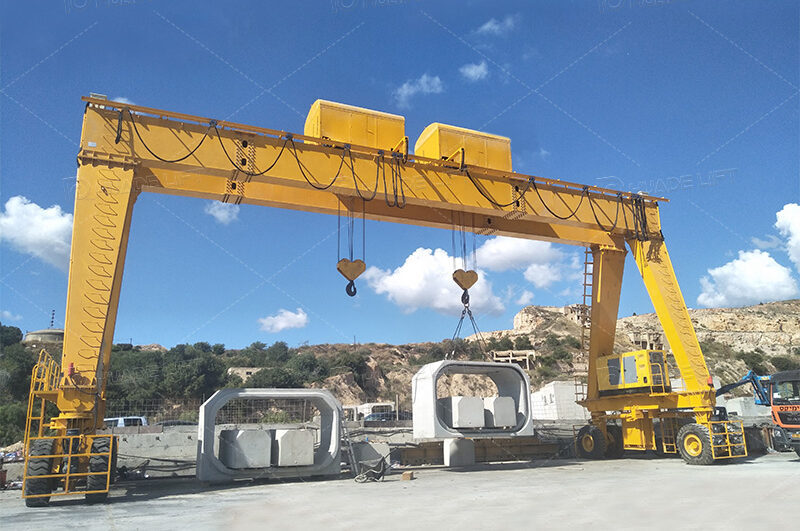
Some companies, driven by short-term cost savings, blindly select the lowest bidder without scrutiny, even accepting quotes significantly below market averages. Low-cost equipment may use substandard steel, resulting in insufficient structural strength and reduced service life.
Core component quality concerns
Key parts like motors and control systems in low-cost equipment often exhibit subpar quality, leading to frequent failures that increase maintenance expenses and downtime losses.
Inadequate after-sales and technical support
Low-cost suppliers may lack robust after-sales service and technical support, resulting in delayed spare parts supply and slow maintenance response times. This further inflates operational costs, ultimately creating a scenario where “buying cheap ends up costing more.”
Misjudging Critical Technical Parameters
Tire-mounted gantry cranes involve numerous technical parameters, each directly impacting operational performance. Some enterprises, lacking deep understanding of these parameters, misjudge critical specifications during procurement, resulting in equipment that fails to meet operational requirements.
Mismatched Lifting Height and Span
Lifting height and span determine operational reach and efficiency. Insufficient lifting height hinders loading/unloading and stacking, while an overly narrow span offers inadequate coverage. Conversely, an excessively wide span increases costs and compromises stability. Procurement must precisely determine these parameters based on cargo height, loading platforms, and operational zones.
Inappropriate Power System Selection
Power systems include diesel, electric, and hybrid options. Diesel offers strong endurance but high pollution; electric is eco-friendly and energy-efficient but has limited range; hybrid provides flexibility but carries higher costs. Failure to select based on site power supply, environmental requirements, and operational duration may increase costs or restrict operations.
Neglecting Tire Quality
Tires impact crane mobility, load-bearing capacity, and stability. Low-quality tires exhibit poor wear resistance, weak load capacity, and susceptibility to wear and blowouts, increasing maintenance costs and posing safety risks. Procurement should prioritize material composition, load rating, and other parameters to select compatible, high-quality tires that ensure reliable equipment operation.
Ignoring Special Features
Some enterprises overlook the critical importance of specialized features during procurement, focusing solely on the basic operational capabilities of tire-mounted gantry cranes. This neglect of specialized functions that enhance operational safety and efficiency can result in performance limitations in specific scenarios and even create safety hazards.
Compatibility and Cost Considerations
Different cargo types require specialized lifting gear or attachments—e.g., container spreaders for containers, grab buckets for bulk cargo. Without compatible custom attachments, additional procurement costs arise, and replacement processes disrupt operational efficiency.
Safety Monitoring Capabilities
Safety monitoring features like overload alarms, limit switches, and fault diagnostics effectively safeguard operations and reduce accident risks. These should be prioritized during procurement.
Skipping Expert Consultation
While internal teams are familiar with the company’s operational processes, they may have knowledge gaps regarding crane technical details, industry standards, and selection techniques.
Equipment Parameter Determination Issues
Inadequate understanding of the interrelationships between different crane technical parameters leads to unreasonable parameter combinations, affecting equipment performance and applicability.
Supplier Evaluation Deficiencies
Lack of professional judgment capabilities prevents accurate assessment of suppliers’ technical strength and product quality, increasing the risk of engaging unreliable partners.
Inadequate Adaptation to Operational Scenarios
When confronted with complex work environments, they struggle to design optimal equipment configurations. This may result in purchased equipment failing to meet actual operational requirements, triggering subsequent operational challenges.
Compliance and Safety Considerations
Failure to Verify Equipment Compliance Documentation
Some enterprises assume supplier-provided equipment meets relevant standards without proactively reviewing compliance certificates, leading to the procurement of non-compliant equipment.
Ignoring Industry Standard Updates
Some enterprises fail to monitor evolving industry standards during equipment operation, continuing to use outdated protocols that fail to meet new safety requirements.
Inadequate Review of Inspection and Certification Documents
Equipment inspection and certification documents serve as critical compliance evidence. However, some enterprises neither require suppliers to provide complete inspection reports and certification certificates nor verify document authenticity, thereby creating compliance risks.
Vague or Incomplete Contracts
Contracts are vital legal documents safeguarding both parties’ interests. However, some enterprises fail to meticulously review contract terms during procurement, resulting in ambiguous clauses and missing critical provisions. This often triggers disputes during subsequent contract execution.
Delivery Clause Risks
Contracts lacking clear delivery timelines, locations, and penalties for delays leave suppliers unaccountable, leading to project delays. This disrupts production schedules, and without contractual basis, accountability becomes difficult, causing irreparable losses.
Warranty Clause Loopholes
Ambiguities regarding warranty scope, duration, liability allocation, and response mechanisms empower suppliers to shirk responsibility or demand unreasonable fees when equipment malfunctions, escalating the equipment’s total lifecycle costs.
Missing Service Clauses
Contracts lacking clear specifications for custom parameters, installation/commissioning standards, and training protocols invite non-compliant service delivery, substandard commissioning, and training refusals. These failures impede equipment commissioning and undermine operational efficiency.
Omission of Pre-Delivery Inspection
Pre-delivery inspection (PDI) serves as a critical quality control checkpoint for equipment. Some enterprises, driven by tight schedules or excessive reliance on suppliers, frequently bypass this step, resulting in numerous hidden equipment risks.
Pre-delivery inspection becoming a mere formality
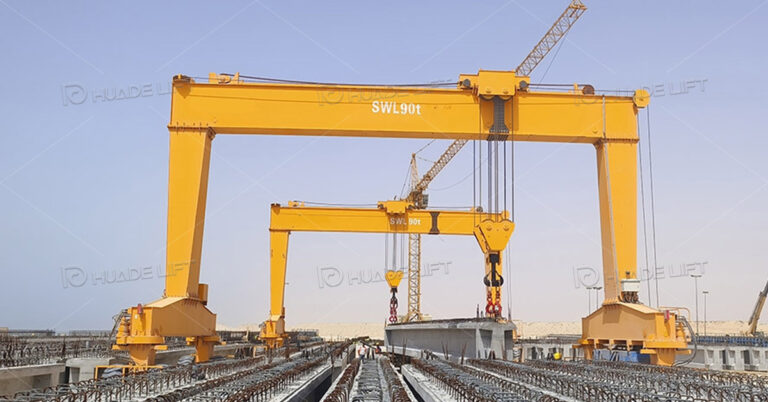
Certain enterprises conduct only superficial visual checks without performing systematic performance testing according to standards. Key parameters such as load capacity, speed, and braking are not rigorously tested, making it difficult to detect performance defects promptly and leaving safety hazards unaddressed.
Lack of Inspection Report Verification
Over-reliance on supplier reports without establishing verification mechanisms—neither participating in inspections nor commissioning third-party testing—compromises report authenticity and introduces procurement risks.
Improper Handling of Factory Acceptance Test Results
Neglecting minor anomalies during FAT, failing to implement defect classification management, ignoring minor issues, and not demanding thorough rectification allows equipment to operate with defects, increasing operational costs and failure risks.
Forgetting After-Sales Support and Service
Many enterprises focus solely on price, specifications, and quality when procuring tire-mounted gantry cranes, overlooking subsequent after-sales service and support. This results in delayed repairs when equipment malfunctions during operation, disrupting workflow.
Delayed After-Sales Response
Suppliers lacking robust service systems fail to dispatch technicians promptly for repairs or deploy inadequately skilled personnel, causing prolonged equipment downtime.
Insufficient Spare Parts Availability
Inadequate supplier inventory forces extended waits for replacement components, further prolonging downtime.
Lack of training services
Some suppliers fail to provide operator training, preventing personnel from mastering equipment operation and maintenance techniques. This not only reduces operational efficiency but also risks equipment failures or safety incidents due to improper handling.
Neglecting Preventive Maintenance Plans
Some enterprises only repair tire-mounted gantry cranes when failures occur, overlooking the importance of preventive maintenance. This leads to increased failure frequency, reduced service life, and higher maintenance costs.
Increased Failure Frequency
Without preventive maintenance, internal wear and component aging go undetected. Minor issues accumulate into major failures, causing frequent downtime that severely disrupts production schedules.
Reduced Service Life
Regular preventive maintenance—including replacing worn parts, replenishing lubricants, and adjusting parameters—maintains optimal equipment condition. Long-term neglect causes components to deteriorate under abnormal conditions, drastically shortening equipment lifespan and leading to premature retirement or costly overhauls.
Increased Maintenance Costs
Emergency repairs often require last-minute sourcing of parts and technicians, frequently incurring rush fees. Additionally, production interruptions lead to indirect losses like downtime and order delays, resulting in total costs far exceeding preventive maintenance expenditures.
Tips on Buying a Gantry Crane for Your Business
Define Core Requirements
Before purchasing a tire-mounted gantry crane, companies can systematically organize their needs through the following specialized, step-by-step collaborative approach to mitigate risks arising from unclear requirements:
Operations Department Requirements Analysis
Identify the types and weights of goods handled in daily operations, determine operational frequency and efficiency requirements, and establish workload intensity benchmarks for equipment selection.
Technical Department Analysis
Evaluate worksite spatial layout and environmental conditions to define technical specifications, ensuring equipment compatibility with site constraints and operational scenarios.
Procurement Department Cost Planning
Align with corporate budgets to establish procurement cost parameters, balancing equipment performance against capital investment to prevent overspending.
Cross-Departmental Collaboration Output
Integrate information from all departments to create a detailed requirements list, providing clear and comprehensive reference standards for procurement decisions.
Balancing Cost and Value
When procuring equipment, companies should not base decisions solely on price but rather balance equipment cost and value.
Avoid Single-Price Orientation
Procurement decisions must not rely solely on price; comprehensively weigh equipment cost and value.
Comprehensively Evaluate Quotation Factors
When comparing supplier quotes, holistically assess equipment quality, performance, lifespan, and after-sales service. Calculate total cost of ownership to select the most cost-effective solution.
Beware of Low-Price Traps
Avoid selecting low-quality equipment solely for cost savings, as this may lead to subsequent maintenance issues, downtime, and other complications.
Reasonably Control Budgets
For companies with limited budgets, non-essential features may be appropriately streamlined to reduce costs while meeting core requirements. However, this must not compromise equipment quality or critical performance.
Selecting Reliable Partners
Value Supplier Positioning
Suppliers are not merely equipment providers but vital partners for accessing quality services and technical support.
Comprehensive Evaluation
When selecting suppliers, thoroughly assess their capabilities, reputation, product quality, and service standards. Prioritize those with extensive industry experience, complete certifications, and strong customer feedback.
Strengthen Collaborative Communication
Maintain open communication throughout the partnership, promptly report equipment issues, and work collaboratively with suppliers to resolve them, aiming to establish a long-term, stable relationship.
Leverage Professional Expertise
Incorporate External Expertise
Engage professional crane engineers or industry consultants throughout the procurement process to provide technical guidance and recommendations. This helps mitigate procurement risks and supports informed decision-making.
Leverage Internal Expertise
Internal technical staff and operators should actively participate in procurement. They should propose equipment requirements and improvement suggestions based on actual operational scenarios and habits to ensure purchased equipment aligns with the company’s needs.
Manage Post-Purchase Operations Effectively
After purchasing equipment, companies must not neglect post-purchase management.
Personnel Training Management
Organize specialized training for operators promptly after equipment acquisition. Combine theoretical instruction with hands-on practice to ensure they master equipment operation skills proficiently.
Establish a Robust System Framework
Develop comprehensive equipment management protocols covering usage standards, maintenance schedules, and repair logs. Standardized processes strengthen daily equipment oversight.
Optimize through Operational Assessment
Conduct regular evaluations of equipment performance and usage effectiveness. Dynamically adjust utilization and maintenance strategies based on assessment outcomes to ensure long-term stable operation and maximize corporate value.
Summary
Procuring a tire-mounted gantry crane requires sufficient time and effort from enterprises to thoroughly consider all factors and avoid common procurement pitfalls. By clearly defining requirements, selecting reliable suppliers, prioritizing after-sales service, and implementing preventive maintenance, enterprises can acquire equipment that meets their needs, offers reliable quality, and delivers high cost-effectiveness, thereby providing robust support for operational development.
