
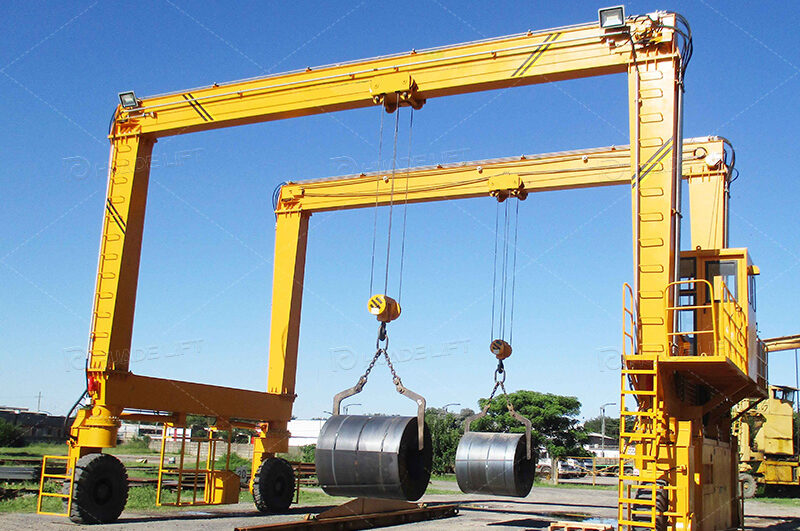
Rubber-Tired Gantry Cranes serve as the core equipment in precast concrete yards, performing critical operations such as component handling and stacking. Their stable operation directly impacts production efficiency. However, the precast concrete environment presents significant challenges: excessive dust accelerates component wear, high humidity combined with concrete slurry promotes corrosion, frequent heavy lifting hastens equipment deterioration, and outdoor conditions exacerbate electrical and mechanical aging. Therefore, mastering targeted maintenance techniques is crucial for extending rubber tyre gantry crane lifespan, ensuring safety, and enhancing performance.
Challenges in Precast Concrete Environments
Dust and Debris Accumulation
Dust and debris generated during precast concrete production infiltrate rubber tyre gantry crane moving parts—such as bearings and gears—accelerating wear. This increases clearance gaps, reduces operational precision, and may even cause jamming failures. Simultaneously, dust accumulation on electrical components can cause poor contact points, disrupting normal equipment operation.
High Humidity and Concrete Slurry
High site humidity promotes the formation of water films on metal components, triggering electrochemical corrosion. Concrete slurry contains alkaline substances that degrade metal passivation layers, accelerating corrosion. The combined effect weakens component strength, loosens connections, and creates safety hazards.
Heavy Repetitive Lifting Cycles
The substantial weight of precast concrete components necessitates frequent rubber tyre gantry crane operations, accelerating tire wear, accelerating aging and leakage in hydraulic system seals, and inducing fatigue damage in lifting system components. This reduces equipment load capacity and compromises safety.
Outdoor Exposure
Long-term outdoor operation subjects equipment to extreme temperatures, rainfall, wind, and snow. High temperatures accelerate electrical component aging, low temperatures impair hydraulic system performance, while moisture and snow cause dampness and rust. Ultraviolet radiation damages paint and rubber components.
Core Maintenance Points in Precast Concrete Environments
Targeted Inspection and Maintenance of Steel Structures
Conduct regular steel structure inspections: comprehensive monthly checks and weekly focused inspections, monitoring for cracks, fatigue, and corrosion. Thoroughly examine welded joints and bolted connections, using non-destructive testing to confirm suspected cracks. Simultaneously assess structural deformation against technical manuals to identify abnormalities.
During maintenance, implement anti-corrosion measures. Promptly remove rust and repaint areas with peeling paint, using coatings suitable for corrosive environments. Periodically tighten bolted connections to specified torque values, applying anti-loosening measures when necessary. Establish corrosion monitoring points to regularly assess corrosion rates and adjust maintenance strategies accordingly.
Enhanced Maintenance for Tires and Wheel Systems
Daily Tire Inspection and Pressure Control
Before each operation, operators must visually inspect tires for cracks, bulges, or cuts, and remove debris from tread grooves. Immediately replace tires with cracks exceeding 3mm depth or noticeable bulges.
Periodically check and adjust tire pressure according to equipment manuals, considering load and operating conditions. When operating on rough terrain, maintain tire pressure at the upper limit of the specified range to enhance wear resistance and load-bearing capacity. Inspect tire pressure only when tires are cool. Address any abnormalities promptly by identifying the cause and performing repairs.
Wheel Assembly Component Inspection and Lubrication
Weekly, check hubs for overheating by touching them after operation. If abnormal temperatures are detected, immediately stop the machine for inspection to identify bearing damage or lubrication issues.
Lubricate the wheel system at least once per 100 operating hours or monthly, using grease suitable for high-load, dusty environments. Before lubrication, clear debris around lubrication points. Inject grease via a grease gun until fresh grease is expelled, ensuring thorough bearing lubrication. Periodically inspect the fit clearance between wheel system shafts and bushings. Replace bushings promptly if severe wear is detected. Simultaneously, inspect the braking system to ensure reliable braking performance.
Detailed Maintenance of Lifting and Hoisting Mechanisms
Wire Rope Inspection and Lubrication
Before daily operation, the operator must inspect the wire rope for broken wires, broken strands, knots, or twists. Immediately replace the rope if the number of broken wires within one lay length reaches the specified limit, or if knots or twists are present, regardless of the number of broken wires.
Lubricate the wire rope at least once weekly using specialized grease. Clean surface dust and oil residue before application to ensure grease penetrates internal crevices and enhances lubrication effectiveness.
Maintenance of Winches and Related Components
Daily inspection: Verify wire rope alignment on the drum is orderly and free of groove jumping. Adjust promptly if misalignment occurs to prevent mutual compression and wear. Periodically inspect the thickness of the drum wall. Replace the drum when thickness reduces to the specified value.
Check the oil level and quality in the gearbox. Replace gear oil according to the specified cycle to ensure proper gear meshing. Regularly inspect the wear condition of the brake pads and the brake clearance. Adjust or replace the brake pads promptly to ensure reliable braking.
Dust and Moisture Protection for Electrical and Control Systems
Dust Protection and Internal Cleaning
Install dust covers on electrical panels. Regularly inspect cover seals to prevent dust ingress. Open panels monthly to clean internal dust with compressed air, taking care not to damage electrical components during operation.
Inspection and Maintenance
Regularly inspect sensors, PLCs, and safety limit switches to ensure sensitivity and reliability. Clean sensor surfaces to prevent dust from affecting detection accuracy. Dust PLC modules and verify secure wiring connections. Test safety limit switch responsiveness; repair or replace immediately upon detecting abnormalities.
Maintain organized cable management to prevent friction with other components. Periodically inspect cable insulation for wear or aging; replace promptly if issues arise. Seal cable joints to prevent moisture ingress.
Hydraulic System Specific Maintenance
Leak Inspection and Seal Maintenance
Periodically inspect all hydraulic system lines, joints, hydraulic cylinders, and other components for leaks. Upon detecting leaks, promptly identify the cause and replace damaged seals or lines. Select seals compatible with the hydraulic system, ensuring their oil resistance and temperature tolerance meet requirements.
Hydraulic Oil Quality Control and System Cleanliness
Regularly check the hydraulic oil level and quality. Top up the oil when the level falls below the specified value. Completely replace the hydraulic oil when its quality deteriorates (e.g., cloudiness, emulsification, or contamination). When replacing hydraulic oil, clean the oil tank and filter to prevent residual contaminants.
Replace the hydraulic oil filter at specified intervals to ensure filtration effectiveness and prevent contaminants from entering the hydraulic system and damaging components. Regularly bleed air from the hydraulic system to eliminate trapped air that could impair normal operation.
Pressure Calibration and Component Inspection
Periodically calibrate system pressure to ensure it remains within specified limits, preventing excessive or insufficient pressure that could degrade system performance and component lifespan. Inspect the operational status of components like hydraulic pumps and motors, listening for abnormal sounds. Immediately shut down equipment upon detecting unusual noises, troubleshoot issues, and perform repairs.
Scientific Implementation of Lubrication and Preventive Maintenance
Developing Targeted Lubrication Plans
Given the high-dust environment of precast concrete production, establish detailed lubrication plans tailored to each equipment component’s lubrication requirements. Clearly define lubrication intervals, lubricant types, and application quantities for all lubrication points to ensure timely and appropriate lubrication for every component.
Comprehensive Implementation of Preventive Maintenance
Beyond regular lubrication, conduct additional preventive maintenance activities. This includes:
– Periodic cleaning to minimize concrete buildup and dust accumulation
– Inspecting fasteners to tighten loose bolts promptly
– Regular inspection and replacement of wear parts to prevent failures
Maintain equipment maintenance records documenting each maintenance task, its timing, and outcomes for future reference.
Best Practices for Operators and Site Managers
Daily Pre-Operation Checklist
Develop a detailed daily pre-operation checklist covering tire condition, braking systems, lifting mechanisms, electrical systems, and other critical areas. Operators must strictly follow the checklist to verify all equipment components are functioning properly before commencing work. Any issues identified must be reported and addressed promptly.
Operator Training
Provide specialized training to enable operators to accurately identify early warning signs of rubber tyre gantry crane issues, such as abnormal noises, vibrations, or oil leaks. Training should cover the operating principles of each component, common fault manifestations, and diagnostic methods to enhance operators’ ability to recognize problems for timely detection and resolution.
Cleaning Protocol
Establish a systematic cleaning protocol specifying intervals, target areas, and methods. Regularly clean surfaces prone to concrete accumulation—including the rubber tyre gantry crane’s metal structure, lifting hooks, and hydraulic cylinders—using high-pressure water jets or brushes. During cleaning, protect electrical components and lubrication points to prevent water ingress or damage.
Record Keeping and Digital Maintenance Logs
Implement a comprehensive record-keeping system to document rubber tyre gantry crane maintenance activities, inspection results, and fault resolutions in detail. Utilize digital maintenance logs for management, facilitating information retrieval, statistics, and analysis. These records enable tracing of equipment operational history and maintenance status, providing a basis for developing rational maintenance plans and analyzing equipment failure causes.
Long-Term Maintenance Strategy
Utilizing IoT/Telematics for Predictive Maintenance
Leverage IoT and telematics technologies to monitor rubber tyre gantry crane operational status in real time, collecting equipment performance data such as temperature, pressure, and vibration. Analyze this data to predict potential failures, enabling proactive maintenance scheduling. This shifts from reactive to proactive maintenance, enhancing equipment reliability and availability while minimizing downtime.
Partnering with OEM-Certified Service Providers
Select rubber tyre gantry crane maintenance services from providers certified by the original equipment manufacturer (OEM). These partners possess specialized technicians, extensive maintenance experience, and genuine OEM parts, delivering high-quality maintenance that meets equipment specifications. This ensures effective upkeep and extends equipment lifespan.
Cost-Effectiveness of Proactive vs. Reactive Maintenance
While proactive maintenance requires initial investment, it enables timely detection and resolution of potential issues. This reduces equipment downtime and repair costs, extends equipment lifespan, and delivers greater long-term cost-effectiveness. Reactive maintenance—addressing failures only after they occur—not only causes production interruptions but may also incur higher repair costs. Moreover, failures can trigger safety incidents, leading to greater losses. Therefore, proactive maintenance strategies should be prioritized.
Safety and Compliance Considerations
Compliance with ISO/CE Rubber Tyre Gantry Crane Safety Standards
During Rubber Tyre Gantry Crane maintenance and operation, strictly adhere to relevant safety standards such as OSHA, ISO, and CE. Ensure all stages—design, manufacturing, installation, maintenance, and operation—meet standard requirements. Conduct regular safety inspections and certifications to safeguard operator safety and ensure equipment reliability.
How Preventive Maintenance Reduces Accident Risks
Preventive maintenance enables timely detection and resolution of potential equipment failures, preventing accidents caused by component malfunctions. For instance, regular inspections of critical components like wire ropes and braking systems prevent incidents such as wire rope breakage or brake failure during lifting operations. Maintenance of electrical systems avoids accidents like fires caused by short circuits. Through preventive maintenance, equipment safety and reliability are enhanced, reducing the probability of accidents.
Compliance with Local Regulatory Inspections
Stay closely attuned to local rubber tyre gantry crane regulatory requirements and inspection standards to ensure maintenance and operation comply with local regulations. Actively cooperate with inspections by local regulatory authorities and promptly rectify any issues identified during inspections. Establish communication channels with regulatory bodies to stay informed about the latest regulatory policies and requirements, ensuring equipment remains compliant at all times and avoiding penalties for non-compliance.
Conclusion
Maintenance of rubber tyre gantry cranes is critical in precast concrete environments. Implementing a long-term maintenance strategy—covering core components like steel structures, tires and wheel assemblies, hoisting mechanisms, electrical/control systems, and hydraulics—combined with operator and site manager best practices while adhering to safety and compliance requirements, effectively extends rubber tyre gantry crane lifespan, minimizes downtime, enhances safety, and improves return on investment. Consulting experts and manufacturers to develop tailored maintenance plans is recommended to ensure stable rubber tyre gantry crane operation in demanding environments.
