
Amid the ongoing wave of logistics and port infrastructure upgrades across Southeast Asia, Rubber Tyred Gantry Cranes (RTGs) are increasingly becoming core operational equipment at Malaysian ports, container yards, and large industrial parks, leveraging their key advantage of flexibility and mobility. However, during the actual procurement process, many project managers and procurement leaders face the same fundamental question: What is the actual price of RTG cranes in Malaysia? Why do quotes from different suppliers vary so dramatically?
This article systematically breaks down the factors from multiple dimensions—price ranges, cost composition, configuration differences, long-term operational costs, and procurement decision logic—to empower industry professionals to make truly rational equipment investment decisions.

What is a Rubber Tyred Gantry Crane (RTG)
A Rubber Tyred Gantry Crane (RTG) is a gantry crane that relies on rubber tires for mobility, eliminating the need for fixed rail tracks. It is primarily used in container handling and heavy material storage operations. Its key advantage lies in its high maneuverability, allowing flexible adjustment of operational areas based on yard layouts without track restrictions, making it adaptable to various complex site conditions.
Core Structural Components of RTG
From an engineering perspective, the core structure of a standard RTG crane comprises six major systems that work in concert to ensure stable and efficient operation:
Main Beam and Gantry Structure
As the primary load-bearing system, it directly determines the crane’s rated lifting capacity and operational stability. Constructed from high-strength steel, its design undergoes rigorous mechanical verification.
Hoisting Mechanism and Trolley System
Responsible for lifting and lateral movement of loads, these critical components determine operational efficiency, with their performance parameters directly impacting loading/unloading speed.
Rubber Tyred Travel System
Typically configured with 8 or 16 wheels. Tire materials must withstand Malaysia’s high-temperature, dusty operating conditions to ensure smooth travel and adequate load-bearing capacity;
Electrical Control System
Mainstream configurations feature PLC (Programmable Logic Controller) + VFD (Variable Frequency Drive), serving as the equipment’s “brain” to coordinate precise operation of all mechanisms;
Power System
Primarily categorized into diesel, electric, and hybrid types to suit diverse operational scenarios and environmental requirements;
Safety System
Incorporates core functions such as anti-sway, collision avoidance, and load monitoring, serving as a critical safeguard for personnel and equipment safety. Must comply with international and local Malaysian safety standards.
Typical Application Scenarios for RTGs in Malaysia
Aligned with Malaysia’s logistics infrastructure and industrial development characteristics, RTG cranes are primarily deployed across four key sectors:
Port Container Yards
Core Malaysian ports like Port Klang and Tanjung Pelepas serve as primary RTG applications, handling extensive container loading, unloading, and storage operations;
Inland Container Depots (ICDs)
With Malaysia’s expanding inland logistics network, ICDs increasingly require RTGs for container transshipment and short-term storage;
Large-scale Manufacturing Logistics Centers
Logistics hubs for automotive, electronics, chemical, and other major manufacturers rely on RTGs for handling and stacking heavy materials and components;
Project-based heavy-duty storage scenarios
Specialized applications like large-scale infrastructure projects or wind turbine equipment storage demand higher lifting capacities and customized configurations from RTGs.
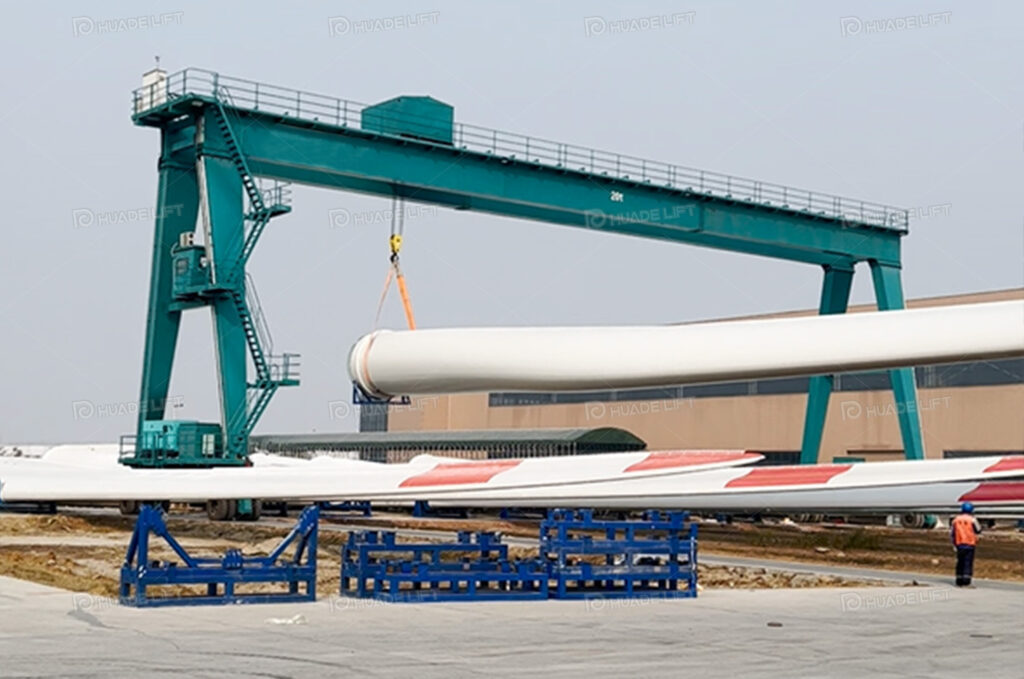
Compared to Rail-mounted Gantry Cranes (RMG), RTGs eliminate the need for fixed rail installation, requiring minimal site modifications. Their exceptional flexibility makes them particularly well-suited for Malaysia’s diverse land conditions and operational environments where yard layouts frequently require adjustments.
Rubber Tyred Gantry Crane Price Malaysia: Price Range Analysis
Mainstream Price Range for RTG Cranes in Malaysia
Based on current market feedback and practical project experience in Malaysia, RTG crane prices (primarily for new units) are primarily categorized by lifting capacity. Different capacity ranges correspond to distinct application scenarios, as detailed in the table below:
| Lifting Capacity | Reference Price Range (USD) | Suitable Applications |
| 20–30tons | 350,000 – 550,000 | Factories, light-duty yards |
| 35–40tons | 600,000 – 900,000 | Standard container yards |
| 45–50tons | 900,000 – 1,300,000 | Port high-intensity operations |
| Over 50 tons | Custom quote | Special projects |
Note: The above prices are typically quoted on an FOB (Free On Board) or CIF (Cost, Insurance, and Freight) basis and do not include on-site foundation construction, installation and commissioning costs, or certain customized features (such as special electrical configurations, anti-sway upgrades, etc.). Actual quotations require further negotiation based on delivery location, payment terms, and other factors.
Price Differences Between New vs. Used Machines
In Malaysia’s RTG market, new and used machines exhibit significant price disparities and cater to distinct application scenarios, as detailed below:
New RTGs
Higher initial investment costs, but offer full equipment lifespan (typically exceeding 20 years), superior energy efficiency, robust core component stability, and lower long-term maintenance expenses. Ideal for projects requiring sustained operations and high-intensity workloads (e.g., major ports, core logistics hubs).
Used RTGs
Typically priced 20%-40% lower than new units, reducing initial investment pressure. However, procurement requires rigorous evaluation of three core factors: structural fatigue levels (confirmed through professional inspection), electrical system aging (e.g., wear on critical components like PLCs and inverters), and spare parts availability (to prevent operational downtime due to discontinued components).
In the Malaysian market, ports and large logistics companies prefer new equipment to ensure operational efficiency and long-term stability. Conversely, small-to-medium projects (e.g., short-term infrastructure projects, small yards) with limited budgets prioritize high-quality refurbished units, provided they select certified refurbishers and undergo comprehensive inspections.
Core Factors Affecting Rubber Tyred Gantry Crane Pricing
Many buyers fall into the trap of “judging price solely by tonnage,” yet the price discrepancies among suppliers often stem from core configuration differences beyond tonnage. The true determinants of RTG crane pricing in Malaysia (Rubber Tyred Gantry Crane Cost Malaysia) primarily revolve around these four key variables.
Lifting Capacity and Span Configuration
Lifting capacity and span are fundamental factors affecting manufacturing costs, with three core parameters requiring attention:
Safe Working Load (SWL)
Directly determines the steel quantity and specifications for load-bearing structures like the main beam and gantry. Higher lifting capacity increases structural manufacturing costs.
Container Handling Capability
Whether it supports simultaneous lifting of two 20ft containers or single 40ft/45ft containers. Different handling types impose distinct design requirements on the hoisting mechanism and trolley system, resulting in significant cost variations;
Gantry Height and Stacking Levels
Common stacking configurations are 1-over-5 (5-tier container storage with 1-tier operation) or 1-over-6. Higher stacking levels require taller gantries, increasing structural complexity and material costs.
These three parameters directly define the equipment’s core operational capabilities and form the basis for supplier quotations.
Power and Energy Systems
In the current Malaysian market, RTG crane power systems primarily fall into three categories, with significant differences in initial costs and long-term operational expenses that directly impact overall quotations:
Diesel RTG
Offers the lowest initial purchase cost, mature technology, and no reliance on external power sources, making it suitable for remote yards without electricity. However, it consumes high fuel volumes, incurs substantial long-term operational costs, and its exhaust emissions may fail to meet environmental requirements in certain regions.
Fully Electric RTG
Available in cable reel and conductor rail configurations. Initial purchase costs exceed diesel RTGs, but energy consumption is only 1/3–1/2 that of diesel models. Operating costs are extremely low with zero exhaust emissions, aligning with Malaysia’s escalating environmental policies. Ideal for ports and other high-environmental-standard scenarios.
Hybrid RTG
Combines the advantages of diesel and electric systems with an initial investment between the two. It can activate diesel power during peak operations and switch to electric mode during off-peak periods, balancing initial investment with long-term operating costs. It is currently one of the mainstream preferred solutions in the market.
From a Total Cost of Ownership (TCO) perspective, while all-electric or hybrid RTGs have higher initial investments, their advantages in energy consumption and maintenance costs gradually become evident over long-term operation, offering higher overall cost-effectiveness.
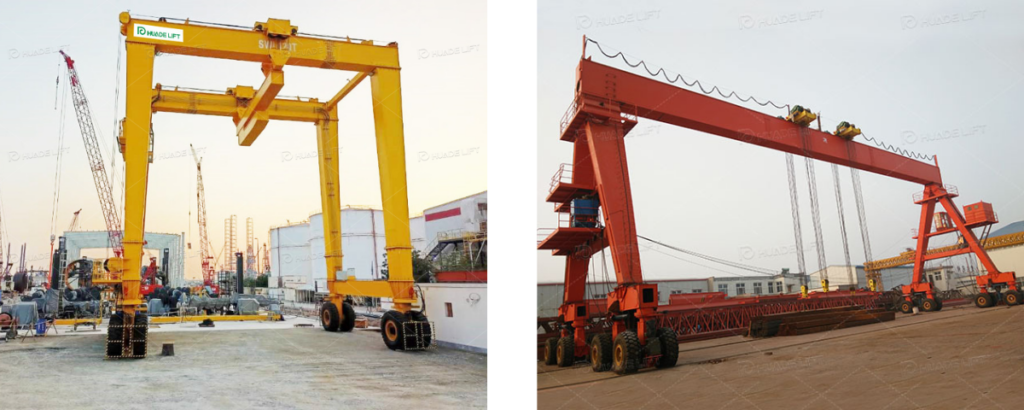
Electrical and Automation Configuration
The electrical and automation system serves as the “central nervous system” of RTG cranes. Configuration differences among suppliers are a primary factor contributing to significant quotation variations. Key components to focus on include:
PLC Brand
Mainstream brands include international names like Siemens and Schneider, as well as high-quality domestic brands. International brands typically cost 15%–30% more than domestic alternatives but offer superior stability and compatibility.
Inverter Configuration
The power rating, brand, and quantity of inverters directly impact the equipment’s speed control performance and energy consumption. High-performance inverters enhance operational smoothness and reduce component wear.
Anti-Sway System
Classified into mechanical and electronic anti-sway systems. Mechanical anti-sway offers lower costs but limited effectiveness. Electronic anti-sway systems (e.g., closed-loop control anti-sway) can restrict hook swing amplitude to within 50mm, significantly boosting operational efficiency, though at a relatively higher cost.
Remote Monitoring and Data Interface
RTGs equipped with remote monitoring capabilities enable real-time collection of operational data (e.g., energy consumption, fault alerts), facilitating post-deployment maintenance management. This requires additional data acquisition modules and software systems, increasing the equipment quotation.
These configurations not only affect the initial purchase price but also directly determine the equipment’s operational efficiency, safety, and future upgrade potential. When procuring, selections should be made based on actual operational requirements to avoid over-configuration or under-configuration.
Hidden Cost Analysis of Rubber Tyred Gantry Cranes in Malaysia
Many procurement failures stem not from excessive purchase prices, but from underestimating long-term hidden operational costs. When procuring RTG cranes in Malaysia, beyond the initial purchase price, key attention must be paid to hidden costs such as energy consumption, maintenance, and spare parts. These costs can account for 30%–50% of the equipment’s total lifecycle expenses.
Energy Consumption and Operating Costs
In high-frequency usage scenarios (e.g., ports operating over 12 hours daily), energy costs represent a major long-term expenditure:
Cost Proportion
Based on local Malaysian energy pricing, energy costs over 3–5 years in high-frequency operations can exceed 30%–40% of the initial purchase price.
Energy Efficiency Impact
Significant efficiency differences exist between RTG brands and power types. For instance, fully electric RTGs consume only about one-third the energy of diesel RTGs, yielding substantial long-term savings.
Other Operating Costs
These include operator salaries and equipment storage space rentals. While not direct equipment costs, they must be incorporated into the overall project budget.
Maintenance and Spare Parts Costs
Maintenance and spare parts costs for RTG cranes directly impact equipment downtime and service life. Three core dimensions require particular attention:
Tire Replacement Cycle
Rubber tires are wear-prone components. Malaysia’s high-temperature, dusty operating environment accelerates tire wear. Standard tires typically require replacement every 1–2 years, while premium wear-resistant tires can extend this to 2–3 years. The procurement cost for a single tire can reach tens of thousands of dollars.
Electrical Component Availability
Core electrical components like PLCs and inverters require immediate replacement upon failure. If suppliers lack local spare parts warehouses in Malaysia, procurement cycles may extend to 1–2 months, causing prolonged equipment downtime and additional production losses.
Local Service Team Response Speed
During equipment failures, the local service team’s response speed directly impacts repair efficiency. If the supplier lacks local service centers, technicians must be dispatched from overseas, resulting in high repair costs and extended downtime.
Therefore, when procuring RTGs in Malaysia, the presence of a mature local after-sales support system is more critical than merely low prices. Prior to procurement, verify whether the supplier maintains service centers in Malaysia, possesses adequate spare parts inventory, and offers 24-hour emergency repair services.
Cost and Applicability Comparison Between RTG and RMG
To more clearly assess equipment cost-effectiveness, this section compares the core costs and applicability of RTG versus RMG (Rail-mounted Gantry Crane), assisting purchasers in selecting based on actual operational scenarios:
| Comparison Item | RTG Crane | RMG Crane |
| Initial Investment | Moderate | High (requires additional track laying) |
| Flexibility | High (no track restrictions, flexible adjustment of operating area) | Low (operates only along tracks) |
| Track Requirements | None | Mandatory (requires advance track layout planning) |
| Suitable Scenarios | Flexible yards, small-to-medium ports, inland ICDs, short-term projects | Fixed large ports, large yards with long-term stable operations |
For most Malaysian projects, RTGs offer moderate initial investment, high flexibility, minimal site modification requirements, and superior overall cost-effectiveness. RMG cranes only gain a competitive edge in scenarios like large ports where long-term stable operations and extremely high efficiency demands are paramount.
How to Select the Right Rubber Tyred Gantry Crane Supplier
When procuring RTG cranes in Malaysia, choosing a reliable supplier is equally important as selecting the right equipment. A quality supplier not only provides competitive pricing but also ensures equipment quality, delivery timelines, and post-sales service, preventing project delays or additional costs due to supplier inadequacies.
Look Beyond Price to Delivery Capability
A qualified RTG crane supplier in Malaysia should possess at least these four core competencies:
Mature structural design expertise
Capable of optimizing equipment designs for Malaysia’s high-temperature, windy, and dusty environments, providing customized solutions based on actual operational scenarios;
Clear technical specifications and configuration lists
Quotations must include detailed technical parameters, core component brands/models, and configuration lists to prevent “vague quotations” leading to later cost escalations;
Verifiable overseas project references
Demonstrated successful project cases in Southeast Asia and Malaysia, with client references (e.g., port or logistics company names) available for verification of actual equipment performance;
Stable delivery schedule control
A robust production management system enabling clear delivery commitment (typically 3–6 months for new units) and resilience against supply chain fluctuations to prevent delays.
The Importance of Factory Audits and Technical Communication
RTG cranes are high-value equipment, with new units typically priced above $600,000–$1,000,000. During procurement, Technical Clarification Meetings (TCM) and factory audits are essential steps, not optional:
Technical Clarification Meeting (TCM)
Conduct a TCM with the supplier before purchase to clarify core details such as operating conditions, equipment parameters, configuration requirements, and acceptance criteria, preventing disputes later due to technical misunderstandings.
Factory Audit
It is recommended to conduct an on-site audit at the supplier’s production facility, either personally or through a third-party agency. Key areas to verify include production equipment, quality control systems, sourcing channels for core components, and production capacity to ensure the supplier possesses the capability to manufacture compliant equipment.
Procurement Recommendations
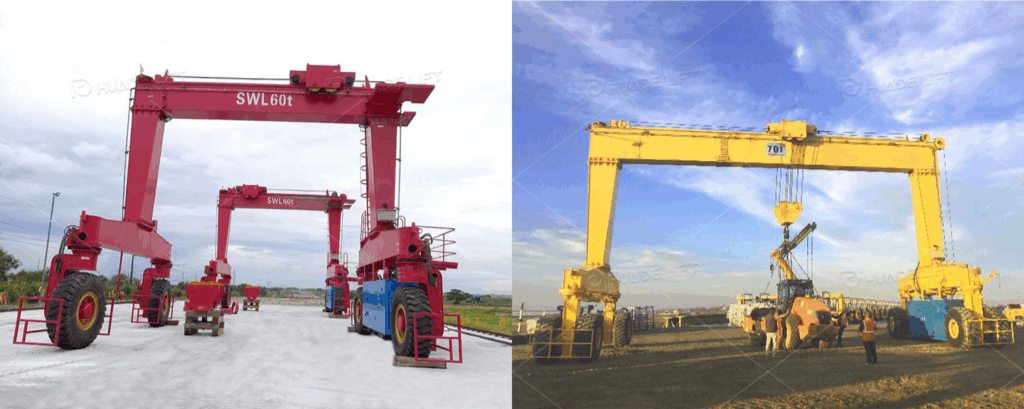
Based on the characteristics of the Malaysian RTG market and procurement experience, the following four practical recommendations are provided for engineering managers and procurement leaders to facilitate rational purchasing decisions:
Define operational conditions, not just tonnage
Before procurement, thoroughly map out the operational scenario (e.g., yard dimensions, stacking height, container types, average daily throughput, energy supply conditions). Provide suppliers with complete operational parameters to enable them to match the most suitable equipment configuration, preventing equipment failure to meet operational needs due to mismatched specifications.
Require suppliers to provide a lifecycle cost analysis (LCC)
Do not focus solely on the initial purchase price. Request suppliers to provide a comprehensive lifecycle cost analysis, including initial purchase price, energy consumption costs, maintenance costs, spare parts costs, etc., to holistically evaluate the long-term cost-effectiveness of the equipment.
Incorporate after-sales service terms into contracts, not just promises
Clearly stipulate service provisions (e.g., warranty period, spare parts supply cycle, local service team configuration, emergency repair response time) within the procurement contract. Define liability for breaches to safeguard post-purchase service rights.
Avoid “vague configuration quotations”
Require suppliers to specify brand, model, and specifications for core components (e.g., PLCs, inverters, tires, motors) in quotations. Ensure these details are verifiable through official channels to prevent suppliers from substituting inferior products.
Summary
When procuring RTG cranes in Malaysia, price is not the sole deciding factor. The core objective is achieving precise alignment between equipment and operational conditions, requiring focused attention on configuration compatibility, long-term reliability, and comprehensive lifecycle operational risk management. Huadelift, with deep expertise in the Southeast Asian and Malaysian markets, offers customized RTG solutions to help enterprises achieve cost-effective procurement.
Optimal decisions require comprehensive evaluation of initial purchase price, configuration compatibility, operational costs, and supplier service capabilities. If you are currently assessing solutions, we welcome discussions tailored to your specific operating conditions and project objectives to provide expert selection recommendations and precise quotations.
