
Heavy material handling often involves more than lifting and moving a load. Limited working space, frequent relocation, changing load requirements, and coordination between multiple machines can all affect operational efficiency. In these situations, a straddle carrier offers an alternative to conventional material handling equipment by combining lifting and transportation within a single mobile system.
Designed for applications that require flexible movement and controlled load handling, straddle carriers can support container logistics, industrial module transportation, and selected heavy-duty handling tasks. Their practical value depends on factors such as rated capacity, load dimensions, ground conditions, lifting height, and operating frequency. Understanding these factors helps businesses determine whether a straddle carrier is the right solution for their site.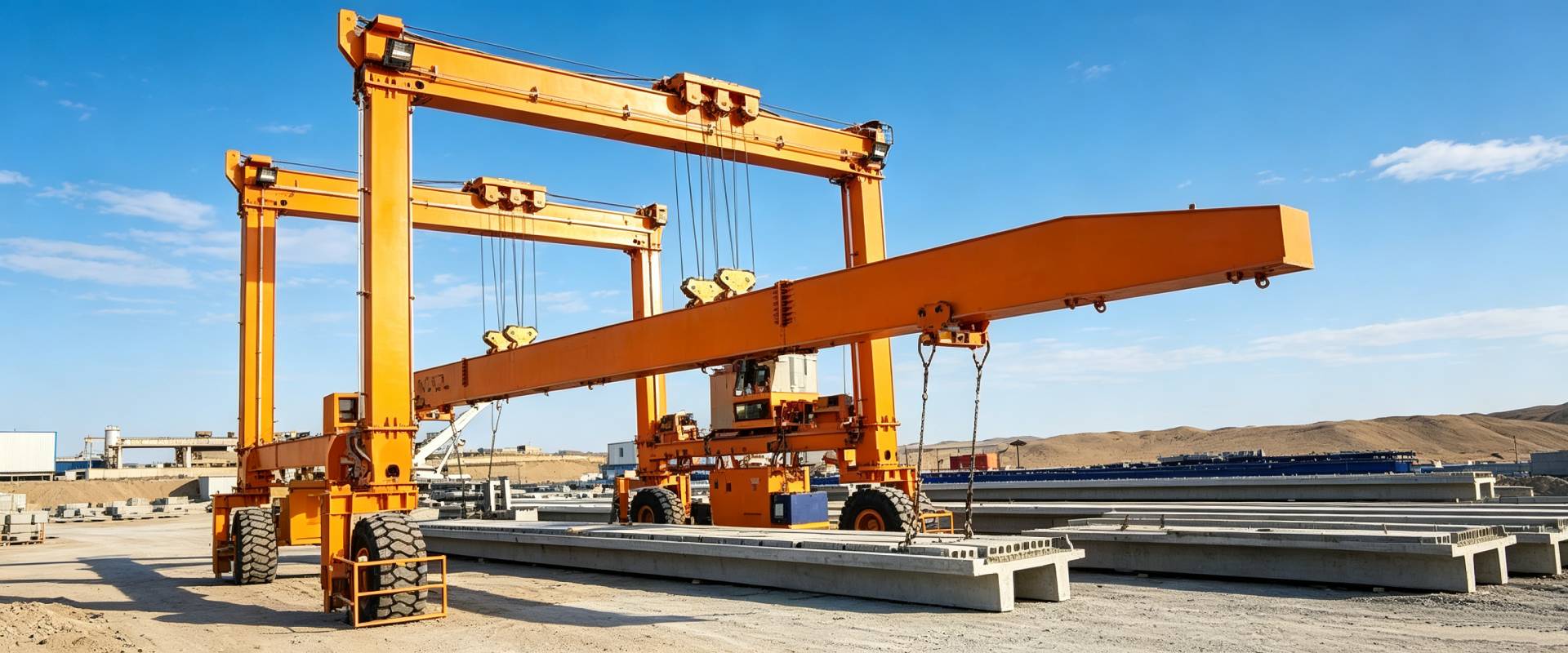
What Makes a Straddle Carrier Different
The main body of a straddle carrier consists of a gantry frame structure, a hoisting system, lifting attachments, a travel system, a power system, an electrical system, a cab, and various safety devices. Each component performs its specific function, collectively supporting the entire heavy-load handling operation.
The gantry frame structure bears the entire weight of the machine. During operation, the load from the cargo is transferred through the lifting device to the gantry frame and then distributed to the travel tires. The strength of the frame structure directly determines the equipment’s maximum load capacity and serves as the foundation for prolonged continuous operation.
The lifting system is responsible for raising and lowering the lifting device. Powered by hydraulic or electric drives, the lifting system smoothly moves the lifting device to perform lifting and container-lowering actions, controlling the vertical movement of the cargo.
The travel system propels the straddle carrier within the yard. A multi-wheel travel configuration, combined with a steering mechanism, allows the equipment to move forward, backward, and turn to adjust its position.
The powertrain system provides power for travel, lifting, and other auxiliary systems. Depending on the model, the power source may be a diesel engine, an electric motor, or a hybrid power unit, meeting the demands of continuous operation under various working conditions.
The electrical and control systems are responsible for coordinating the various subsystems of the entire machine. They receive commands from the operator and synchronize control of travel speed, lifting movements, and the locking status of the lifting device to ensure that the actions of each mechanism work in unison.
The cab and operating system provide the operator with a control environment for performing tasks. The cab’s field of view is designed to allow the operator to easily observe the lifting gear, containers, and the surrounding yard conditions, and to identify nearby obstacles.
The safety and monitoring system continuously monitors the equipment’s operating status, providing real-time protection and alerts in the event of overloads, collisions, or abnormal conditions. Once a risk is detected, the system issues a warning and, if necessary, restricts the equipment’s movements to reduce the likelihood of accidents.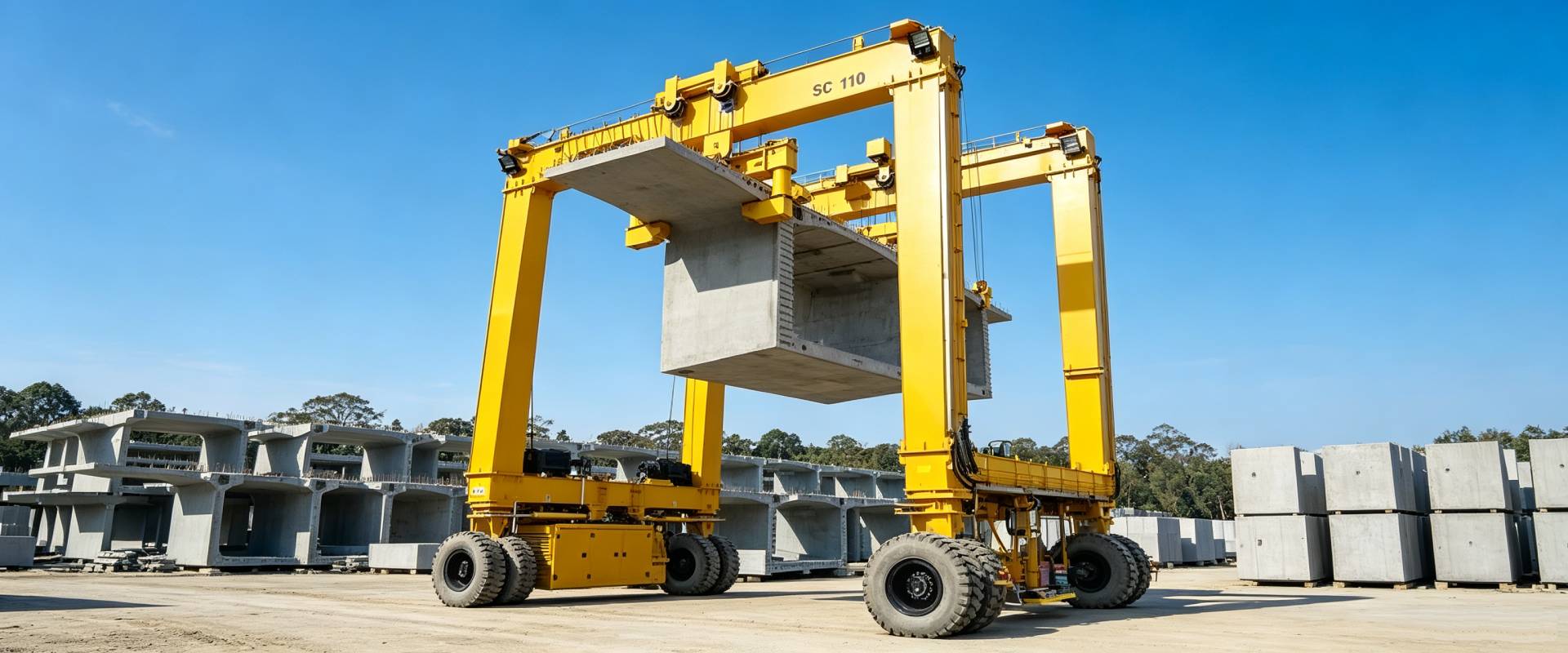
How Straddle Carriers Streamline Workflow
Traditional heavy-load handling operations often require the coordination of multiple pieces of equipment and personnel to complete, resulting in cumbersome processes and frequent bottlenecks. Straddle carriers have reengineered the handling workflow, using a four-step closed-loop operation mode to eliminate all redundant steps, making heavy-load handling simpler and smoother.
Precise Positioning
The first step of the operation is the precise positioning and docking of the equipment. The operator controls the straddle carrier to move slowly, adjusting its position and angle so that the heavy cargo to be handled is positioned directly beneath the lifting system.
The accuracy of positioning directly affects the stability of subsequent operations. Precise positioning ensures that the lifting attachment aligns with the cargo’s load-bearing points, allowing for even force distribution during the lifting process. It also improves the overall operational rhythm and prevents issues such as repeated adjustments and cargo swaying caused by positioning errors.
Spreader Locking
Once positioning is complete, the lifting device descends smoothly to make contact with the cargo’s surface, and the equipment’s built-in rotary locking mechanism automatically secures the cargo’s corner fittings to the mounting structure. This mechanical locking mechanism offers exceptional stability and will not loosen due to heavy loads or road vibrations.
Throughout the entire handling process, the locking mechanism securely maintains the cargo’s position, eliminating safety hazards such as cargo shift, detachment, or tilting. This is a core prerequisite for maintaining load control and operational safety during heavy-load handling operations.
Smooth Lifting and Transport
Once the cargo is locked in place, the lifting system raises it at a constant speed to a safe height that meets site clearance requirements. The equipment’s built-in load control program stabilizes the cargo during lifting and lowering, preventing swaying during speed changes or turns.
Thanks to its agile steering performance and unobstructed field of view, the operator can easily maneuver the equipment throughout the worksite—whether in a well-organized logistics yard or an industrial facility with numerous obstacles—to complete stable and safe transport operations.
Placement and Release
Upon reaching the target work area, the equipment slowly adjusts its position to precisely place the cargo on the ground, onto a trailer chassis, or into a multi-level stacking area. Once the cargo is fully lowered and securely supported, the lifting attachment unlocks and disengages from the cargo, allowing the equipment to withdraw and prepare for the next operational cycle.
The entire process is tightly integrated with no redundant steps, allowing a single operator to independently complete all tasks. This significantly reduces personnel and equipment scheduling costs and is well-suited for the demands of uninterrupted, cyclical operations.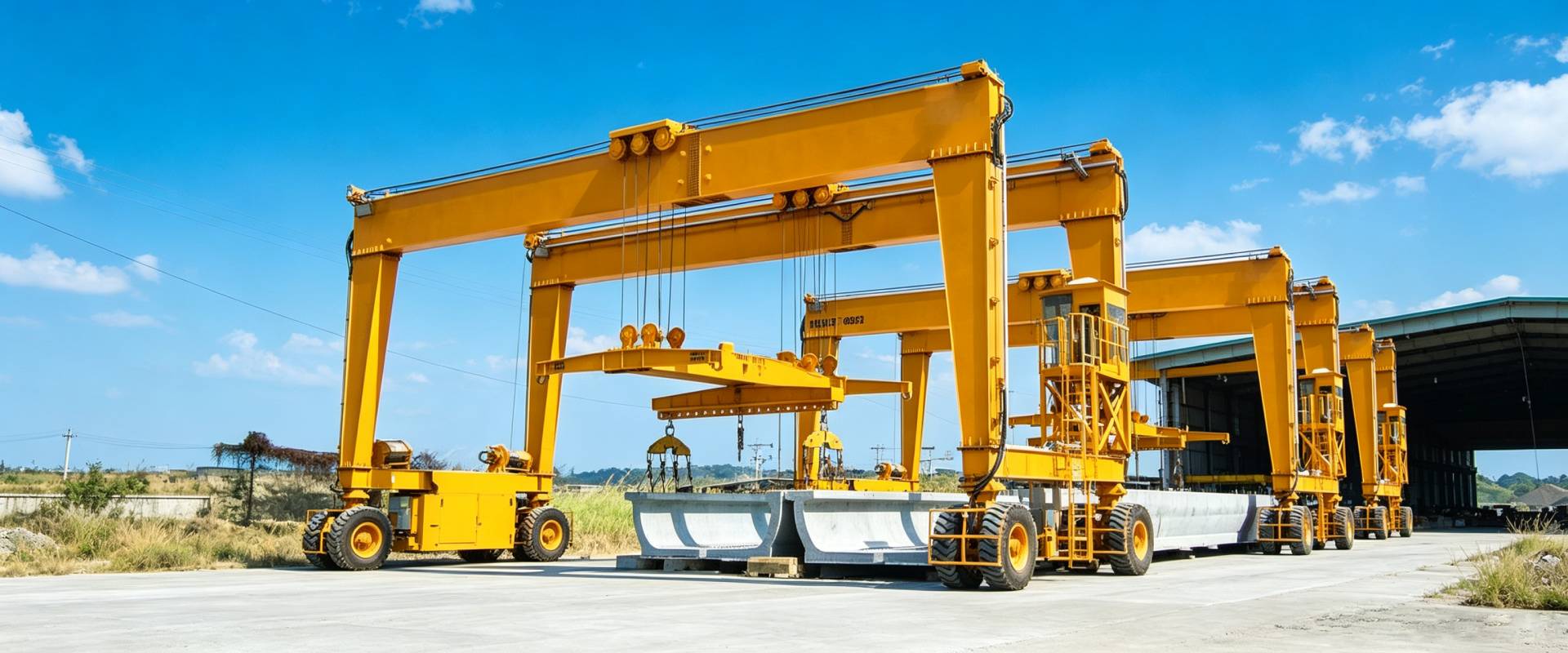
Key Performance Benefits of Straddle Carriers
High Load Capacity and Stability
Straddle carriers are specifically designed for heavy-duty applications. The main structure is constructed from high-strength steel, ensuring robust load-bearing performance. Equipped with a high-power hydraulic system and heavy-duty, wear-resistant tires, the equipment can easily handle the handling requirements of heavy containers and large industrial modules.
Even during continuous operation at full load, the equipment maintains smooth travel without issues such as body tilt, power deficiency, or structural deformation. It is capable of long-term, high-frequency, uninterrupted heavy-duty operations, featuring a low failure rate and strong operational stability.
One-Stop Handling Solution
Traditional cargo handling requires the coordinated use of multiple machines—such as cranes, forklifts, and transfer equipment—resulting in high procurement and operational costs, while the coordination of multiple machines often leads to efficiency bottlenecks. The straddle carrier integrates all functions, including cargo retrieval, transfer, stacking, and loading/unloading.
A single unit can independently complete the entire handling process without the need for additional lifting or handling equipment. Companies avoid the costs of investing in multiple sets of equipment, while also simplifying equipment maintenance and personnel scheduling, resulting in a significant improvement in overall operational efficiency.
Trackless Design with Exceptional Maneuverability
Most large-scale material handling equipment on the market relies on pre-set tracks, resulting in fixed operating ranges and high costs for site modifications and infrastructure. Once site planning is adjusted, such equipment is generally unusable. The straddle carrier employs a purely tire-based travel structure, freeing it from track restrictions.
The straddle carrier can move freely throughout the yard like a freight truck, adjusting its operating position and changing routes at any time to accommodate multi-area and multi-point operational needs—offering mobility far surpassing that of traditional rail-based material handling equipment.
Efficient Space Utilization
Many yards face challenges such as limited area, disorganized cargo stacking, and low space utilization. With its compact design and small turning radius, the straddle carrier can easily navigate narrow operational aisles.
The straddle carrier supports high-density, organized cargo stacking, maximizing the use of idle space in the yard. Given the same yard area, it increases both storage capacity and turnover frequency, fully leveraging the value of the existing site and boosting operational capacity without the need for expansion.
Streamlining Logistics Processes
Many companies opt for third-party handling and lifting outsourcing services. Not only do they incur high outsourcing costs, but they also face issues such as untimely scheduling, unpredictable operation times, and poor site compatibility—all of which can easily lead to delays in logistics turnover.
By deploying their own straddle carriers, companies can independently complete all heavy-load handling operations, eliminating their reliance on outsourced services. A single operator can handle both equipment operation and task scheduling, reducing bottlenecks in intermediate processes, effectively avoiding logistics bottlenecks, and lowering overall operational complexity.
High-Precision Controllable Operations
The straddle carrier offers high precision in control, allowing for precise management of driving, lifting, and placement movements. During operations, it enables precise placement of cargo at designated points and orderly stacking. Operators can independently plan the container stacking sequence based on operational requirements.
For scenarios such as truck loading and organized cargo stacking, the system can generate optimal cargo layout plans that ensure both aesthetically pleasing and stable stacking while improving the efficiency of loading and warehousing operations, meeting the precise handling requirements for all types of heavy cargo.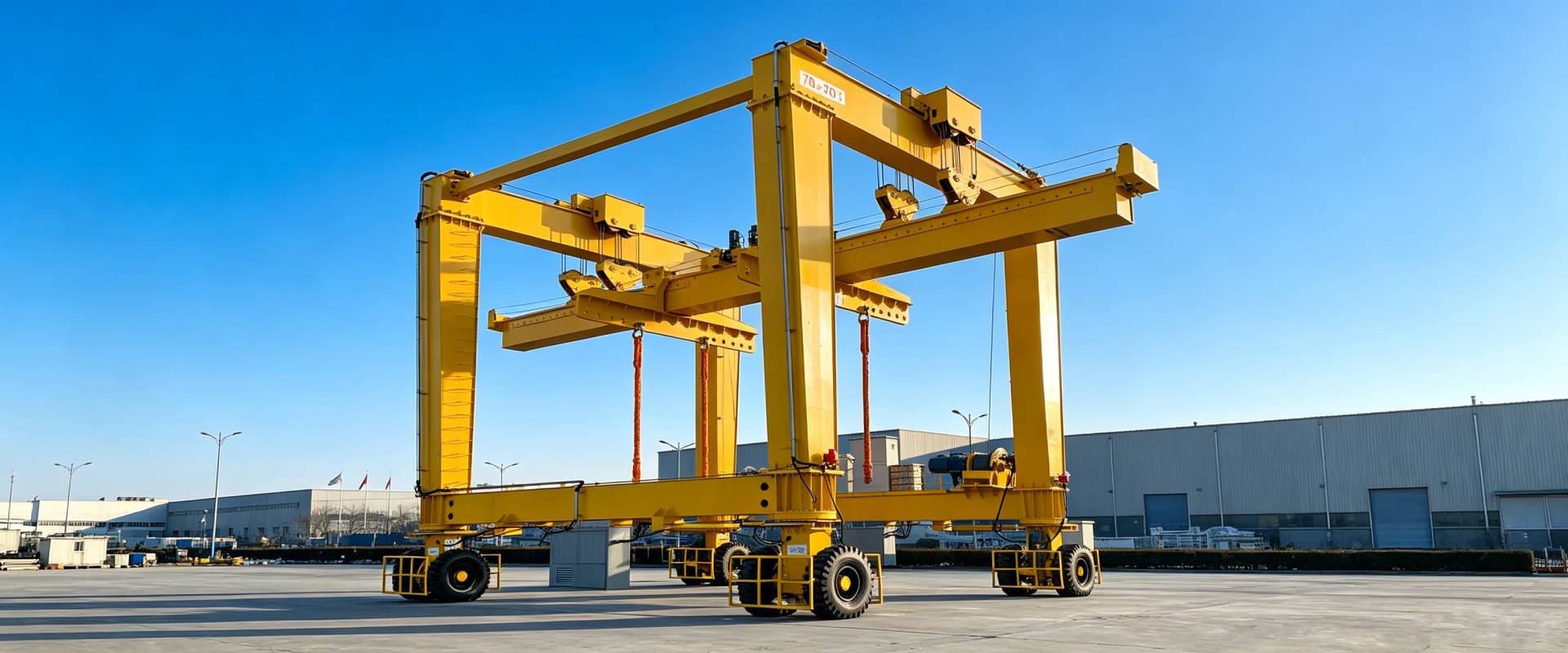
Where Straddle Carriers Deliver Value
Inland Logistics and Intermodal Yards
Inland freight terminals and integrated logistics parks are characterized by frequent cargo turnover, dispersed operating locations, and a wide variety of cargo types. Traditional equipment lacks adaptability and often results in insufficient operational efficiency.
Straddle carriers can flexibly transport cargo between truck loading and unloading zones, warehouse stacking areas, and intermodal transfer points. They require no complex infrastructure or multiple types of equipment, enabling rapid improvements in container turnover efficiency at inland yards and supporting routine operations in small- and medium-sized logistics parks.
Rail Intermodal Yards
Rail intermodal yards feature numerous operational points and frequent task switching, requiring equipment to shuttle frequently between standby zones, truck loading and unloading stations, and rail loading and unloading points. Fixed-track equipment cannot accommodate these multi-point switching requirements.
The high maneuverability of straddle carriers makes them perfectly suited for this scenario. They can adjust their operating positions at any time to respond to unexpected rail loading and unloading demands, aligning with the high-frequency, multi-point, and rapid-turnover characteristics of rail logistics operations.
Industrial Modular Handling Projects
With the widespread adoption of modular industrial construction, the demand for handling energy storage containers, prefabricated equipment enclosures, and large industrial modular components continues to grow. Due to their unique dimensions and heavy loads, standard handling equipment is unsuitable for these types of cargo.
The straddle carrier can be customized based on cargo dimensions, load parameters, site conditions, and industry safety standards to accommodate the handling, stacking, and loading and unloading of various non-standard, heavy-duty modular cargo, meeting the personalized operational needs of industrial projects.
Heavy-Load Mining Operations
Mining sites feature complex terrain and harsh operating conditions, with bumpy roads and irregular workspaces, placing extremely high demands on equipment stability, load-bearing capacity, and adaptability. Conventional handling equipment is prone to malfunctions and rollovers.
Thanks to their robust structural strength, stable load control systems, and excellent site adaptability, straddle carriers can safely transport heavy mining equipment and oversized industrial and mining materials, and are capable of handling highly challenging heavy-load handling operations under harsh mining conditions.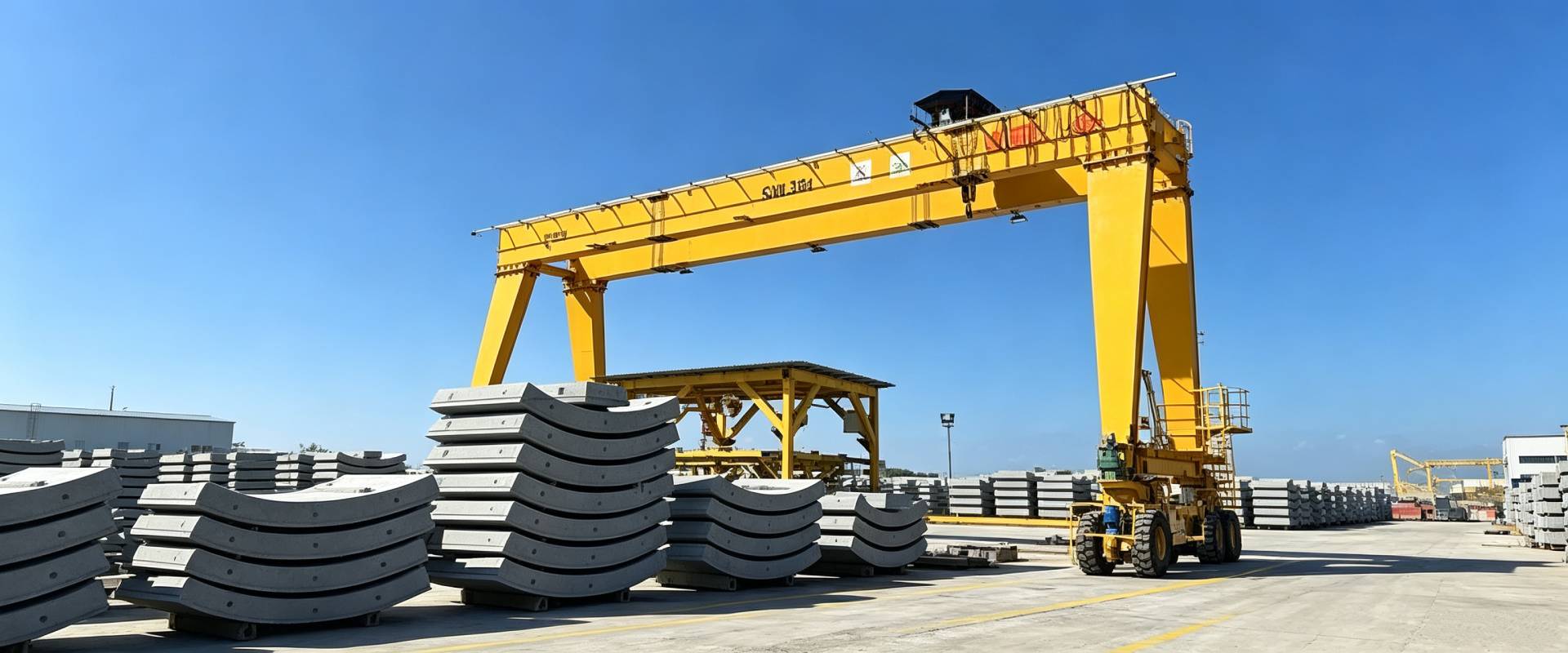
Safety Systems for Straddle Carriers
Safety is the absolute priority in heavy-load handling operations. Straddle carriers are equipped with a comprehensive, multi-dimensional safety protection system that mitigates operational risks from multiple angles—including load monitoring, structural protection, emergency response, and load balancing—to ensure the safety of operators, machinery, and cargo.
Overload Protection System
Overloading is a primary cause of equipment failures and safety incidents in heavy-duty operations. Straddle carriers are equipped with high-precision load sensors and hydraulic pressure monitoring components that collect real-time data on cargo weight and equipment hydraulic pressure during operations.
If the operational load exceeds the straddle carrier’s rated capacity, the system automatically triggers an alarm and locks the lifting mechanism, preventing the equipment from performing heavy-load operations and eliminating the risk of overloading at the source. Consistent and proper use effectively prevents damage to structural components and the hydraulic system caused by overloading, thereby reducing equipment failures and safety hazards.
Hydraulic and Structural Safety Mechanisms
The stability of the hydraulic system determines the safety of cargo lifting and lowering. The equipment’s hydraulic system is equipped with a dedicated fail-safe device that adjusts system pressure in real time to prevent issues such as sudden pressure surges, line failures, and component damage, ensuring that cargo is lifted and lowered at a uniform and steady pace without shock or the risk of falling.
Core load-bearing structures—including the main beam, columns, and chassis—are all constructed from high-standard, compliant steel and undergo multiple load-bearing, compression, and deformation resistance tests before leaving the factory. Even under long-term heavy-load conditions, the structure will not experience deformation, fracture, or loosening, thereby establishing a solid hardware foundation for equipment operation.
Emergency Shutdown and Load Balancing System
A convenient emergency shutdown button is located in the cab’s operating area, positioned to align with the operator’s workflow. In emergency situations, this button allows for a one-touch power cutoff and immediate shutdown, promptly halting operations to prevent accidents from escalating.
For irregularly shaped or off-center heavy loads, the equipment’s load-balancing system automatically adjusts the load-bearing structure to distribute the load evenly and stabilize the overall center of gravity. This effectively mitigates risks such as equipment tipping or cargo tilting, making it suitable for a wide range of complex heavy-load operating conditions.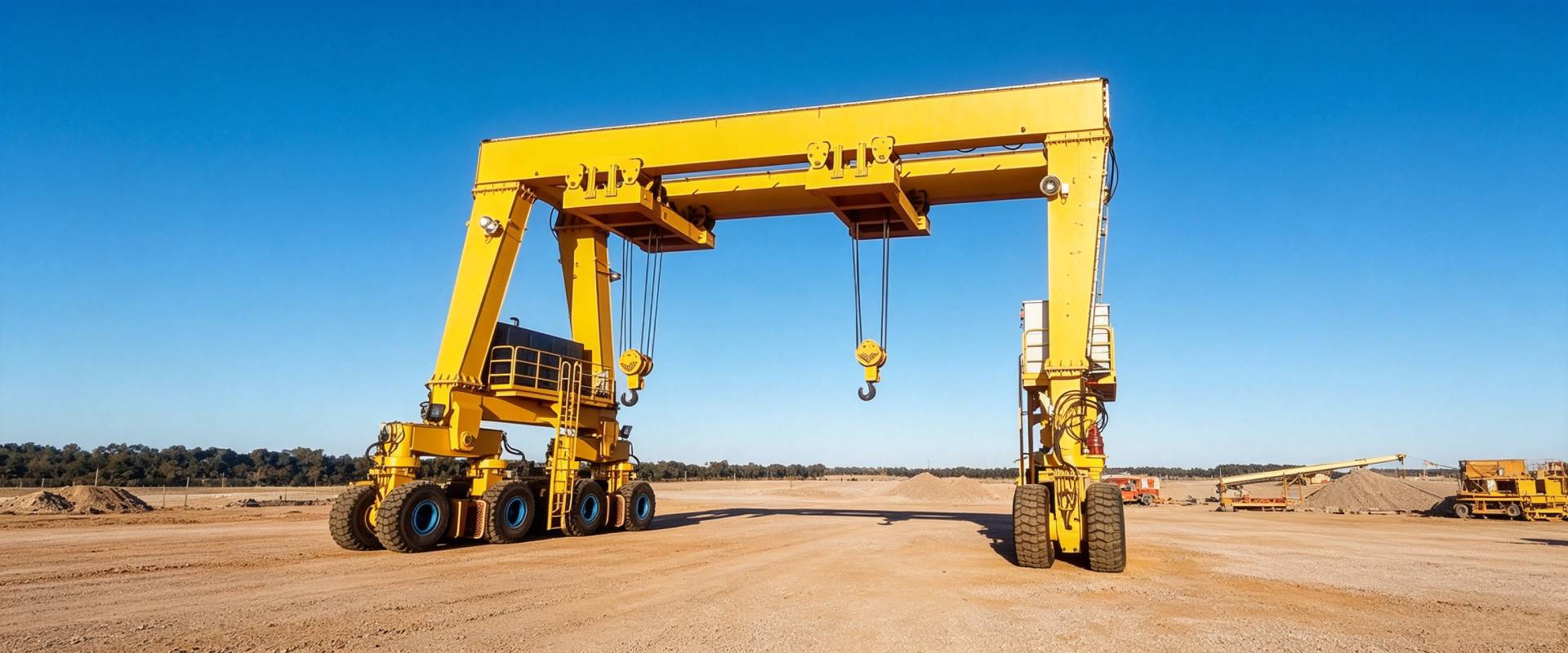
Selecting a Straddle Carrier for Site Needs
Operational loads, spatial conditions, operational frequency, and environmental requirements vary significantly across different sites. Blindly selecting a model can easily lead to issues such as over-specification or poor adaptability. Only by selecting a model based on actual operating conditions can the operational value of the straddle carrier be maximized.
Assess Load Requirements
The first step in model selection is to determine the maximum operational load. This requires not only calculating the cargo’s dead weight but also adding the weight of lifting gear, attachments, and auxiliary components. The equipment’s rated load capacity must exceed the actual maximum operational load, allowing for a sufficient safety margin to avoid long-term operation at full capacity or under overload conditions.
Site Conditions and Dimensions
Measure the length and width of the work area and the width of access passages in advance, and identify restrictions such as fixed obstacles and restricted zones within the site. Match the equipment’s span and maximum lifting height to the site parameters to ensure the equipment can move freely and perform stacking and loading and unloading operations normally.
Appropriate Power System
Choose the power system based on the site’s environmental policies, fuel supply conditions, and long-term operating costs. Diesel-powered models are suitable for outdoor sites with high-frequency operations and no strict environmental restrictions. All-electric models are suitable for factory premises and industrial parks with high environmental standards and moderate operational frequency. Hybrid models balance range and environmental requirements, making them suitable for sites with complex operating conditions.
Equipment Maneuverability
For sites with narrow aisles, densely packed workstations, and frequent repositioning, prioritize verifying the straddle carrier’s turning radius, travel speed, and steering agility. Ensure the equipment’s maneuverability aligns with the site’s operational pace to minimize time spent on evasive maneuvers and repositioning.
Comprehensive Performance of Lifting Mechanism
Confirm that the equipment’s maximum lift height meets the operational requirements for cargo stacking and loading and unloading. Prioritize models equipped with anti-sway functionality, which effectively reduces cargo sway during heavy-load lifting operations, further enhancing operational stability and safety.
Conclusion
The Huadelift straddle carrier—with its robust structural design, streamlined operational processes, outstanding heavy-load performance, and all-terrain adaptability—addresses industry pain points associated with traditional heavy-load handling equipment, such as site limitations, low efficiency, high costs, and inadequate safety.
From structural stability and protection to streamlined and efficient workflows, from flexible adaptation to diverse scenarios to comprehensive safety safeguards, and finally to customized site-specific solutions, the cross-transport vehicle balances heavy-load stability, site flexibility, operational efficiency, and cost-effectiveness.
