
Marine travel lifts operate continuously in humid, salt-fog-laden, and frequently changing environments, and are required to repeatedly perform tasks such as lifting, transporting, and launching vessels. For shipyards, yacht repair centers, and ship maintenance companies, the reliability of this equipment not only determines whether daily operations can proceed smoothly but also directly impacts vessel safety, maintenance costs, and the equipment’s service life.
Marine Travel Lift Structural Design
Structural design is the foundation for the long-term, reliable operation of marine travel lifts. The equipment must withstand the weight of the vessel, dynamic loads during the lifting process, and additional loads generated during movement. Furthermore, all systems should operate in coordination. Improper design of any single critical component can compromise the overall load-bearing capacity and operational stability of the entire machine.
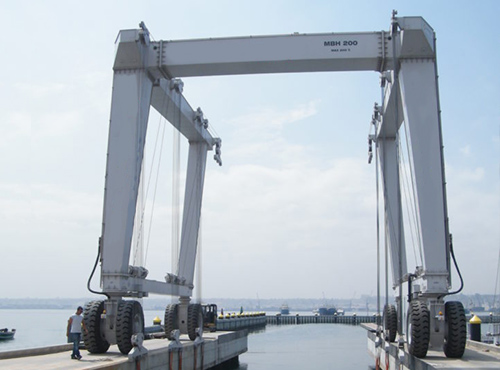
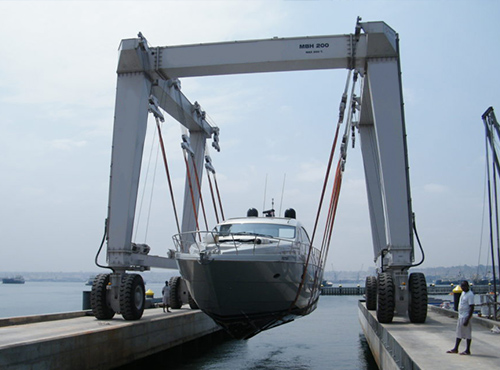
Gantry Structure
The gantry structure serves as the main frame of the marine travel lift, providing support for the hoisting system and creating the span and headroom required to accommodate the ship’s hull. The ship’s weight is transmitted to the gantry via slings, hoisting mechanisms, and related connecting components, and is then borne jointly by the overall structure and the travel mechanism.
When designing the gantry, it is necessary to comprehensively consider the rated lifting capacity, vessel dimensions, span, lifting height, and the equipment’s operating frequency. For large vessels or applications involving long-term, high-frequency use, structural rigidity, local stresses, and load distribution are particularly critical.
Lifting System
The lifting system typically consists of a hoisting mechanism, pulley blocks, lifting slings, and related connecting devices. It is responsible for lifting the vessel out of the water and transferring the load to the gantry structure.
The lifting mechanism must ensure that all lifting points operate in coordination with each other according to design requirements to prevent the hull from tilting or experiencing excessive localized stress. For different vessel types, operators must also determine the positions of the lifting slings in accordance with the manufacturer’s specifications to ensure that the vessel’s weight is distributed appropriately.
Travelling Mechanism
The travel mechanism consists of wheels, a drive unit, a steering mechanism, and related transmission components, and is responsible for moving and steering the equipment within the work area.
Marine travel lifts typically need to transport vessels between different areas. Ground load-bearing capacity, road surface smoothness, tire condition, and steering precision all affect actual operational performance. If the operating conditions of the wheels are inconsistent, it may cause travel deviation, increasing the load on the structure and mechanical components.
Hydraulic System
The hydraulic system typically handles key functions such as lifting and steering. Some equipment also uses hydraulic drive for travel or braking control. The operating condition of hydraulic pumps, valve assemblies, cylinders, piping, and seals directly affects the smoothness of the equipment’s movements.
The hydraulic system must not only provide sufficient operating pressure but also maintain stable, controllable movements under varying load conditions. System design should also account for heat dissipation, filtration, sealing, and maintenance access to prevent interruptions in continuous operation caused by excessive heat, contamination, or leaks.
Control System
The control system is responsible for coordinating lifting, travel, steering, and related safety functions. The operator can control the entire machine via controls in the cab or through remote control equipment that meets the equipment’s configuration requirements.
A reliable control system must feature clear operating logic and be capable of providing the operator with necessary operational status information. Sensors, wiring, connectors, and control cabinets should be suited to the equipment’s operating environment, and critical control functions should be inspected and tested in accordance with design requirements.
Power System
The power system provides the necessary power for the lifting mechanism, travel mechanism, and hydraulic system. Whether diesel or electric power is used, the selection should be based on the intensity of operations, operating time, on-site energy conditions, and maintenance capabilities. Proper matching between the power system and other components is essential for maintaining the equipment’s long-term operation.
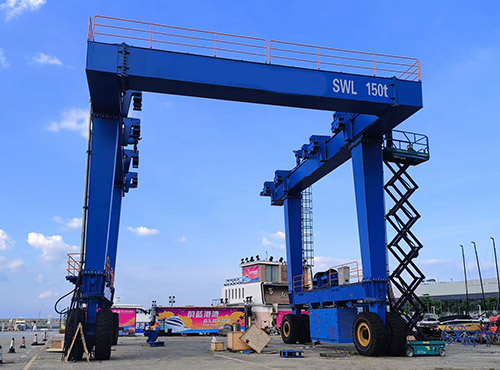
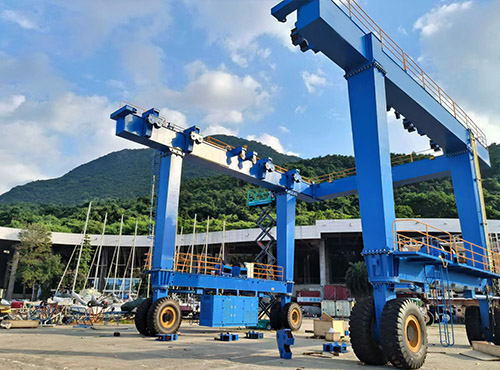
Hydraulic System Reliability in Marine Travel Lifts
Hydraulic System Setup
The hydraulic system is a critical component of marine travel lifts. When lifting large vessels, the equipment must perform smooth lifting, maintain position, and lower the load gradually under heavy loads. If hydraulic pressure is unstable, valve assemblies malfunction, or the hydraulic fluid is contaminated, this can lead to sluggish operation, unsynchronized lifting, or equipment shutdown.
Therefore, the reliability of the hydraulic system cannot be assessed solely based on rated pressure or the quality of individual components. Attention must also be paid to system design, component compatibility, hydraulic fluid management, and routine maintenance.
After the equipment is started, the hydraulic pump delivers hydraulic fluid to the corresponding control circuits. Upon receiving a lifting command, the control valves distribute the fluid according to the system design, causing the hydraulic cylinder pistons to extend and driving the lifting mechanism to perform the lifting action.
The equipment’s actual lifting capacity depends on multiple factors, including the hydraulic system’s operating pressure, the effective area and number of hydraulic cylinders, the mechanical design, and the load-bearing capacity of the entire machine. The fact that the hydraulic system can provide power does not mean the equipment can operate beyond its rated lifting capacity.
When the vessel is lowered, the control valve regulates the flow of hydraulic fluid, causing the cylinders to retract at a predetermined speed or complete the corresponding lowering motion. By properly controlling fluid flow and pressure, the equipment can slow the descent speed and prevent the vessel from dropping suddenly.
Prioritize Hydraulic System Maintenance
Failures in the hydraulic system can cause equipment downtime and, in severe cases, affect load control. Therefore, routine maintenance should focus on fluid condition, seal integrity, filtration efficiency, and system pressure.
Check the hydraulic fluid level and condition. Insufficient hydraulic fluid can impair normal pump operation and may lead to overheating or abnormal operation. If there are noticeable changes in the oil’s color, odor, or condition, further inspection should be conducted to check for contamination, oxidation, or water ingress. When topping off or replacing hydraulic oil, use products that meet the manufacturer’s specifications.
Check hoses and connections for leaks. Periodically inspect hydraulic hoses, fittings, cylinder seals, and the areas around valve assemblies for oil stains. Leaks not only result in oil loss but can also cause a drop in system pressure. If a problem is detected, shut down the equipment and inspect it according to established procedures; do not attempt to locate leaks by hand while the system is under pressure.
Replace filter elements as required. Filters reduce the entry of particulate contaminants into the hydraulic circuit, protecting components such as pumps, valves, and cylinders. The replacement interval for filter elements should be determined based on the equipment manual, operating time, and the degree of fluid contamination. Do not rely solely on visual inspection to determine whether replacement is necessary.
Test hydraulic pressure regularly. Use appropriate testing tools to check system pressure and compare it with the manufacturer’s specified parameters. In cases of insufficient pressure, abnormal fluctuations, or inconsistent responses across circuits, further investigate the pump, control valves, seals, and related piping.
Safety Features in Marine Travel Lifts
Long-term reliability not only means that the equipment can operate continuously but also that it can maintain a controllable operating state under various working conditions. For equipment used to lift high-value vessels, safety devices, operating procedures, and personnel training should work in concert.
Overload Protection System
The overload protection system monitors the lifted load or related operating parameters and issues warnings or takes appropriate measures when specified limits are reached. It helps operators identify abnormal load conditions and reduces the risks posed by overloads to the structure, hoisting mechanisms, and hydraulic systems.
Emergency Stop Device
Emergency stop devices are used to halt the operation of relevant equipment in the event of an emergency. Emergency stop buttons should be located where operators can easily identify and use them, and their functionality should be tested regularly in accordance with the manufacturer’s requirements.
The specific scope of operation of emergency stop devices depends on the control system design. Operators should understand which actions will be stopped when the button is pressed and how the equipment will resume operation.
Braking System
The braking system is responsible for controlling the movement and stopping of the equipment, while load-holding devices are used to maintain the load in accordance with design requirements. For mechanisms involving lifting and travel, it must be confirmed that the braking devices meet the equipment’s operational requirements, and their wear, adjustment status, and related control functions must be inspected.
Limit Switches and Warning Alarms
Limit switches are used to restrict the range of motion of mechanisms, preventing hoisting or other moving parts from exceeding their design-allowed positions. Audible and visual alarms alert on-site personnel that the equipment is in operation or indicate specific abnormal conditions.
Safety Interlocks
Safety interlocks can restrict non-compliant operating sequences based on the equipment design, thereby reducing the risk of operational errors. For example, certain functions may only be enabled after specific operating conditions are met.
During equipment procurement and acceptance, it must be confirmed that the safety interlocks align with actual operational procedures. Operators must also receive training on equipment use, abnormal shutdowns, and routine inspections, and be familiar with the sling arrangement requirements for different ship types.

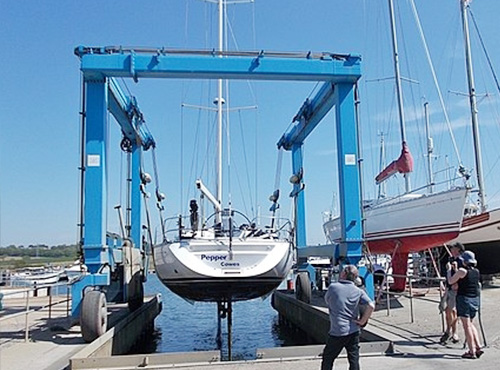
Operating Conditions for Marine Travel Lifts
Even if the equipment itself is well-designed, the actual operating environment may affect its reliability. Marine travel lifts often operate in areas near bodies of water. Factors such as wind, waves, ground conditions, working space, and salt fog corrosion must all be considered during both the selection and usage phases.
Wind Loads and Hull Sway
When lifting tall vessels in coastal or open areas, wind forces may exert additional lateral forces on the hull and the equipment. When lifting a vessel from the water, tidal changes and wave motion may also cause the hull to sway. If the lifting slings are not yet fully loaded, or if the load distribution among the lifting points is uneven, hull movement may increase the difficulty of controlling the lifting process.
Ground Conditions
Rubber-tired marine travel lifts rely on their wheels to transfer the weight of the entire machine and the vessel’s load to the ground. The levelness of the site, the firmness of the foundation, and the adequacy of drainage all affect the equipment’s mobility and load distribution.
Before the equipment is put into service, the ground bearing capacity, travel routes, and turning areas should be assessed. If necessary, site conditions should be improved through foundation reinforcement, pavement treatment, or other engineering measures.
Marine Environment
Salt fog, humidity, and seawater spray can accelerate corrosion of steel structures, fasteners, and certain mechanical components. When exposed to such environments over extended periods, issues such as coating damage, rust on metal surfaces, and moisture ingress at electrical connections require special attention.
During the equipment design phase, appropriate anti-corrosion coatings, corrosion-resistant materials, sealed electrical cabinets, and electrical components with corresponding protection ratings should be selected based on the actual environment. Hydraulic lines, fittings, and exposed connectors should also be selected using materials and protection methods appropriate for the environmental conditions.
Marine Travel Lift Maintenance Practices
Regular maintenance helps keep equipment in proper working order and minimizes the impact of unexpected failures on operational schedules. For marine travel lifts used long-term in humid, high-salinity environments, maintenance plans should cover mechanical, electrical, hydraulic, and corrosion-protection systems.
Daily Routine Inspections
Before each operation, operators should inspect the equipment’s exterior and key components. Pay particular attention to the steel structure for new rust spots, peeling paint, obvious deformation, or abnormal cracks. Also, inspect the lifting slings for wear, cuts, deformation, or other conditions that do not meet operational requirements.
Hydraulic lines and connections should be kept clean, and operators should check for oil leaks. Tires, steering mechanisms, and visible fasteners should also undergo a basic inspection to ensure there is no obvious damage or looseness.
Weekly Key Maintenance
For equipment in frequent use, a more targeted maintenance session may be scheduled weekly. Lubricate the travel bearings, steering hinges, and other moving parts, and check whether the frame connection bolts and related fasteners are loose.
At the same time, pay attention to whether the hydraulic lifting process is smooth and whether there is any abnormal lack of synchronization at the various lifting points. The routing of cables and hydraulic hoses should also be kept proper to avoid prolonged friction, excessive bending, or interference with moving parts.
Quarterly Comprehensive Inspection
While the equipment is in continuous operation, schedule periodic comprehensive inspections based on operating hours and manufacturer requirements. Hydraulic fluid, filters, and other consumables should be replaced according to specified intervals and actual condition, rather than mechanically following a uniform quarterly schedule.
During inspections, focus on checking the load-bearing structure, welds, tires, lifting slings, pulleys, and connecting devices. For components showing obvious wear, corrosion, or damage, assess whether they still meet operational requirements and repair or replace them promptly.
Long-Term Anti-Corrosion Protection
Corrosion protection must be maintained throughout the entire service life of marine travel lifts. When coating damage appears on steel structures, the affected areas should be cleaned promptly and repaired according to the specified coating system to prevent rust from spreading to surrounding areas.
For hydraulic and electrical components, inspect the integrity of protective covers, seals, and electrical cabinet doors to ensure that protective measures have not failed due to prolonged use. Corrosion protection measures should also focus on fasteners, welded joints, pipe supports, and other areas that are difficult to inspect. Establishing corrosion inspection records helps maintenance personnel identify areas requiring priority repair and plan subsequent maintenance work effectively.

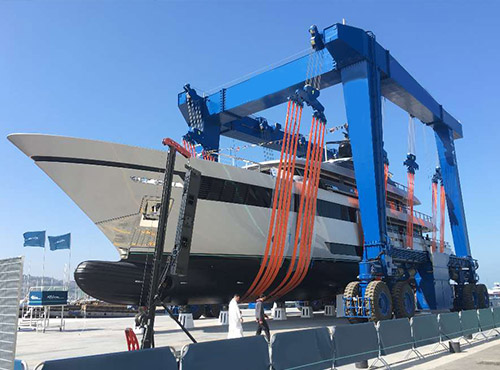
Improving Marine Travel Lift Reliability Over Time
As equipment operates for longer periods, wear, corrosion, and component aging cannot be completely avoided. What truly affects long-term reliability is whether these changes can be detected in a timely manner and whether maintenance and repair measures are tailored to actual operating conditions.
Inspect Structural Components
The chassis, load-bearing frames, hull support structures, and mounting connections should be included in regular inspection procedures. During inspections, technicians should not only check for surface rust but also examine welds, connection joints, and primary load-bearing areas for cracks, deformation, or abnormal wear.
If structural abnormalities are detected, they should be evaluated by qualified technical personnel. Without proper verification, heavy-load operations should not be resumed immediately through simple welding repairs, tightening, or other temporary measures.
Replace Worn Parts Before Failure
Components such as wire ropes, slings, pulleys, bushings, and bearings all have specific operating conditions and service life limits. Even if the marine travel lift shows no obvious malfunctions at the moment, this does not mean these components can be used indefinitely.
Companies should schedule replacements based on the manufacturer’s inspection standards, frequency of use, and the condition of the components. Components that have reached the end-of-life standard or are severely damaged should be immediately taken out of service and disposed of as required.
Verify Load Capacity and Proper Use
When selecting equipment, suitability should not be determined solely based on the vessel’s registered weight. Actual assessments must also consider fuel, equipment, accessories, and other factors that may affect the total weight, and confirm that the slings and support devices are suitable for the specific vessel type.
During operation, slings must be arranged in accordance with regulations to ensure the vessel’s weight is properly distributed across all lifting points. Incorrect sling positioning or uneven load distribution may increase the strain on certain structural and mechanical components.
Operating consistently near the rated lifting capacity may also increase the operational load on components and maintenance requirements. Therefore, when purchasing marine travel lifts, customers should evaluate their needs based on the current vessel type, future business plans, and actual operating frequency, rather than simply pursuing a higher rated lifting capacity.
Planning for Long-Term Upgrades and Improvements
As equipment ages, certain components may require upgrades or improvements. Before upgrading, verify that new components are compatible with the existing structure, hydraulic system, and control system. Modifications involving load-bearing structures, braking systems, or critical safety functions must undergo necessary engineering evaluations and comply with applicable technical specifications.
Planned equipment improvements can help companies extend the service life of existing equipment, but not all older equipment is suitable for upgrading. For equipment with severe structural damage, critical systems that are difficult to restore, or equipment that fails to meet current safety requirements, a comprehensive comparison of the costs and risks associated with repair, retrofitting, and replacement should be conducted.
Conclusion
The long-term reliability of marine travel lifts stems from the synergy between structural design, hydraulic systems, operating conditions, safety configurations, and maintenance management. The equipment itself must be designed to accommodate actual loads and operating environments, and during use, it must be kept in good condition through proper operation, regular inspections, and timely maintenance.
For shipyards and ship maintenance companies, reliability management should not begin only after equipment fails. Advance planning for ground conditions, corrosion protection measures, replacement cycles for wear-prone parts, and maintenance budgets often proves more effective in controlling costs throughout the equipment’s entire service life.
