
In modern logistics and port operations, rubber tyred gantry cranes (Rubber Tired Gantry Cranes) have become indispensable key equipment due to their powerful cargo handling capabilities. During these complex operations, load stability is undoubtedly a key factor in ensuring safety, efficiency, and quality. Below, we will delve into the multifaceted importance of load stability in rubber tyred gantry crane operations and detail the key factors and effective strategies for ensuring load stability.
The Relationship Between Operational Scenario and Load Stability
Rubber tyred gantry cranes are widely used in ports, logistics parks, railway freight yards, and other locations. In ports, they must quickly unload containers from ships to docks or load containers from docks onto ships. In logistics parks, they must precisely stack containers in designated locations to efficiently utilize yard space. These operations place extremely high demands on the crane’s operational precision and stability. Any load instability, such as a container swaying or tilting during lifting, can result in cargo damage, operational interruptions, and even serious safety incidents. Therefore, load stability is directly related to whether a rubber tyred gantry crane can successfully complete its tasks in complex and ever-changing operating scenarios.
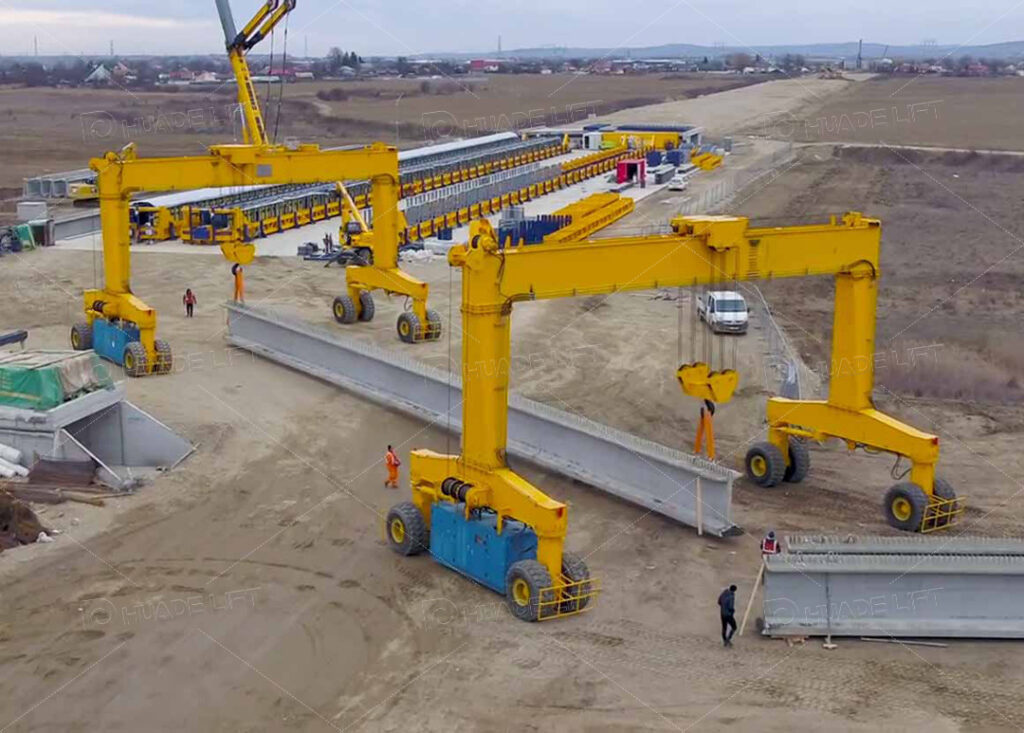
The Importance of Load Stability for Safe Operations
Load Stability Is Directly Related to Safe Operations
Preventing Tipping Accidents
Tipping accidents are one of the most serious safety hazards in rubber tyred gantry crane operations, and unstable loads are the primary cause of tipping. When the weight of the container being lifted by the crane is unevenly distributed, or when the crane is subjected to external disturbances (such as strong winds) during the lifting process, the crane’s center of gravity can shift. If the center of gravity exceeds the stability range allowed by the crane’s support structure, tipping is highly likely. For example, at a port, a crane tipped over due to a significant shift in the center of gravity of a container being lifted. This caused not only severe damage to the crane equipment but also extensive damage to surrounding operating facilities and sites. Fortunately, no casualties were reported, but the incident served as a wake-up call for the entire industry. A stable load ensures that the crane’s center of gravity remains in the correct position during lifting, significantly reducing the risk of tipping and ensuring the safety of equipment and the site.
Ensuring Personnel and Equipment Safety
In rubber tyred gantry crane operating areas, personnel frequently come and go. If the load is unstable and a container falls during lifting, the consequences can be disastrous. A falling container could directly injure operators, maintenance personnel, and other workers below. According to relevant statistics, casualties caused by falling cargo account for a significant proportion of crane operation accidents. A stable load ensures that the container remains stable during lifting, preventing it from falling due to swaying or tilting, creating a safe working environment for operators and effectively protecting their lives.
Load Stability Impacts Operational Efficiency and Quality
Improving Operational Continuity
Efficient operations rely on operational continuity. When the load of a rubber tyred gantry crane is stable, the operator can continue lifting operations according to the established process and speed without frequent pauses to adjust the load. In contrast, if the load is unstable and the container sways, the operator must reduce the lifting speed to ensure safety, and may even pause operations multiple times to wait for the load to stabilize before continuing. This will undoubtedly significantly extend operation time and reduce overall operational efficiency. A stable load ensures smooth crane operations, reduces unnecessary operational interruptions, and significantly improves operational efficiency.
Ensuring Accurate Cargo Positioning
In logistics yards and port operations, container positioning accuracy is extremely demanding. Only by accurately placing containers in designated locations can the yard layout be rationalized and subsequent cargo retrieval and transportation be facilitated. A stable load is key to achieving precise positioning. When the container remains stable during lifting, the operator can more accurately control the crane’s trajectory and place the container smoothly and accurately at the target location. If the load fluctuates, even a skilled operator will find it difficult to ensure precise container placement, potentially leading to placement deviations and impacting subsequent operational processes. For example, in a multi-layer container yard, if the upper container placement deviations are too large, it can affect the normal storage and retrieval of containers on the lower levels, reducing operational quality and space utilization across the entire yard. Therefore, a stable load plays a crucial role in improving the operational quality of rubber tyred gantry cranes.
Key Factors Affecting Load Stability
Crane Structure and Performance
Scientific Structural Design: The structural design of a rubber tyred gantry crane is fundamental to ensuring load stability. Its structure must be carefully designed to withstand the various dynamic forces generated during lifting. For example, when designing the gantry structure, factors such as the container weight, the inertial forces generated by acceleration and deceleration during lifting, and potential wind forces must be fully considered. A sound structural design ensures that the crane maintains excellent stability while withstanding these forces. For example, some advanced rubber tyred gantry cranes utilize optimized box-shaped main beams and high-strength outrigger structures, which greatly enhance the crane’s overall stability and effectively reduce the risk of load instability caused by structural incompetence.
Reliability of Key Components: The performance of a crane’s key components, such as the hoisting system, travel system, and spreader, directly impacts load stability. The accuracy and reliability of the hoisting system determine the stability of the container during lifting; the stability of the travel system affects the load’s stability during crane movement; and the reliability of the connection between the spreader and the container is even more crucial. For example, a high-precision hoisting drum ensures uniform wire rope speed during retraction and release, preventing container sway caused by uneven speeds. High-performance running wheels and a stable suspension system reduce vibration during crane operation, thereby stabilizing the load. A reliable spreader lock ensures that the container remains firmly connected to the spreader during lifting, preventing it from falling off.
Operational Factors
The Importance of Operator Skill Level: Operator skill and experience are key human factors influencing load stability. Skilled operators can accurately assess the load’s condition and appropriately control the crane’s operating speed and range of motion. For example, when lifting a container, they can start the hoisting system slowly and smoothly to avoid sudden shock from a sudden start, which could cause load sway. During the lifting process, they can fine-tune the crane’s operating parameters based on actual conditions to maintain load stability. Conversely, inexperienced or unskilled operators may cause severe load sway and even dangerous situations due to improper operation, such as frequent sudden stops and starts of the crane or drastic changes in direction during the lift. The necessity of complying with operating specifications: Strict adherence to operating specifications is crucial for ensuring load stability. These specifications clearly define crane lifting weight limits, lifting speed regulations, and operating procedures for different operating conditions. For example, overloading is strictly prohibited, as it can seriously affect crane stability and easily lead to load loss. Operating within the specified lifting speed can prevent excessive inertia from occurring due to excessive speed, which can affect load stability. Only by strictly adhering to these specifications can operators effectively reduce the risk of load instability caused by improper operation.

External Environmental Factors
The Impact of Wind and Its Countermeasures: Wind is a significant external environmental factor affecting the load stability of rubber tyred gantry cranes. Strong winds can exert horizontal forces on containers being lifted, exacerbating load sway and potentially even causing the crane to tip over. This problem is particularly prominent in areas with strong winds, such as coastal ports. To mitigate the effects of wind, many rubber tyred gantry cranes are equipped with wind speed monitors. When wind speeds exceed a safe threshold, an automatic alarm sounds, prompting the operator to take appropriate measures, such as halting lifting operations or adjusting the crane’s position to minimize the wind’s impact on the load.
The impact of ground conditions and their handling: The flatness and load-bearing capacity of the worksite surface also affect load stability. Uneven ground can cause the crane to jolt during travel and lifting, leading to swaying loads. Insufficient ground load-bearing capacity can cause the crane to sink during operation, compromising load stability. Therefore, before crane operations begin, the site’s surface must be inspected and treated to ensure it is flat and firm. Uneven ground can be leveled and compacted. Ground with insufficient load-bearing capacity can be reinforced, such as by laying steel plates, to ensure crane stability during operation.
Effective Strategies for Ensuring Load Stability
Equipment Maintenance and Inspection
The Importance of Regular Maintenance: Regular, comprehensive maintenance of rubber tyred gantry cranes ensures the equipment is always in good operating condition and provides a solid guarantee for load stability. Maintenance work includes inspecting, cleaning, lubricating, adjusting, and replacing wearing parts on the crane’s mechanical components, electrical system, and hydraulic system. For example, regularly inspect the hoisting wire rope for wear and promptly replace severely worn wire ropes to prevent breakage during lifting and load loss. Regularly inspect and inflate the tires on the traveling system to ensure proper operation and reduce crane instability caused by tire problems. Regular maintenance can promptly identify and resolve potential equipment problems, minimizing the impact of equipment failures on load stability.
The Necessity of Pre-Operation Inspection: Before each operation, the operator must conduct a thorough inspection of the crane. This inspection includes checking for external damage, ensuring the proper functioning of all operating handles and buttons, ensuring the effectiveness of safety devices, and ensuring the integrity of the spreader. For example, check the spreader’s locks for proper closing and opening, as well as the wear and tear of the locks, to ensure they remain securely connected to the container during lifting. Also, check the proper functioning of safety devices, such as overload limiters and lift height limiters. Failure of these devices could result in serious accidents and affect load stability. Careful pre-operation inspections can promptly identify and eliminate potential safety hazards, ensuring the crane can stably lift loads during operation.
Personnel Training and Enhanced Operating Standards
Professional training enhances skills: Professional training for rubber tyred gantry crane operators is an important way to improve their operational skills and safety awareness. Training should cover the crane’s structural principles, operating methods, safety knowledge, and common troubleshooting. Through systematic training, operators gain a deep understanding of the crane’s performance characteristics, master correct operating techniques, and be able to accurately assess and address issues under various working conditions, ensuring load stability. For example, simulated lifting scenarios can be used during training to allow operators to practice operating techniques under varying wind speeds, load weights, and other conditions, enhancing their ability to handle complex situations. At the same time, operators should regularly participate in skills assessments to verify training effectiveness and encourage continuous improvement.
Strictly implement operating specifications: Developing comprehensive operating specifications for rubber tyred gantry cranes and requiring operators to strictly adhere to them is key to ensuring load stability. These specifications should clearly define the crane’s operating procedures and precautions for various operating situations. For example, they should require an accurate estimation of the container’s weight and center of gravity before lifting to ensure it is not overloaded and has a reasonable center of gravity. During the lifting process, smooth operation should be maintained, avoiding sudden stops, starts, and sharp turns. Companies should strengthen supervision and inspection of operators’ adherence to operating specifications, promptly correcting and punishing violations, fostering good operating habits, and ensuring load stability during lifting.
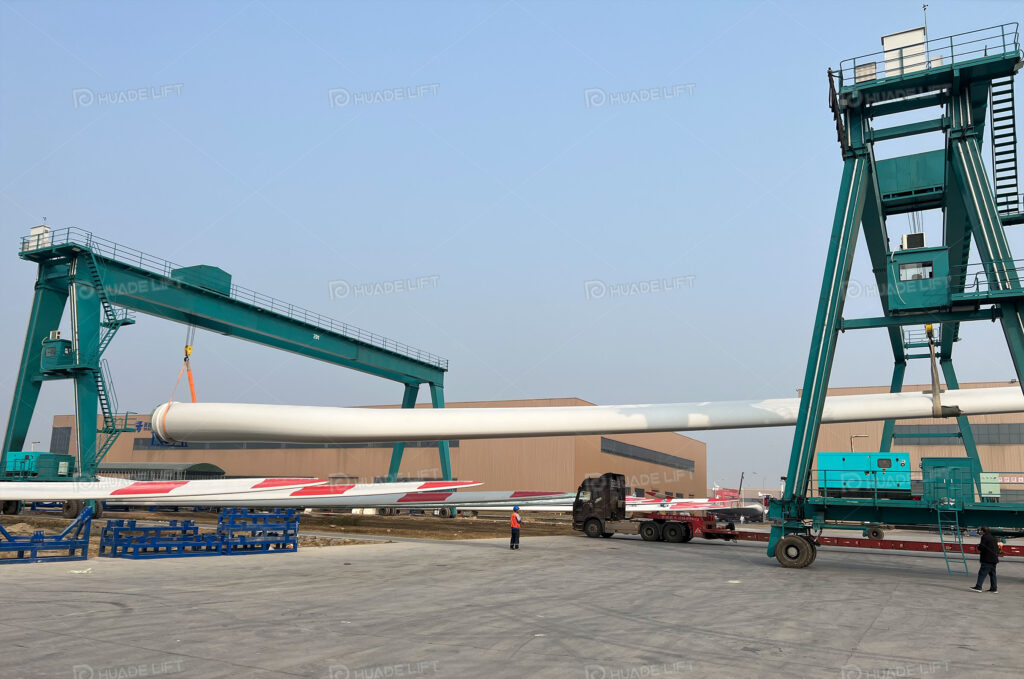
Utilizing Technical Assistance
Real-time monitoring of the load monitoring system: Advanced load monitoring systems are a key technical means of ensuring load stability for rubber tyred gantry cranes. This system utilizes sensors installed in key crane locations, such as tension sensors on the lifting rope and tilt sensors on the spreader, to monitor load parameters such as weight, center of gravity, and tilt angle in real time. These sensors transmit the collected data to the control system, which analyzes and processes the data based on preset safety thresholds. If an abnormal load condition, such as overload or excessive center of gravity deviation, is detected, the system immediately issues an alarm and implements appropriate control measures, such as limiting the lifting height and reducing the lifting speed, to ensure load stability. For example, if the load monitoring system detects that a container’s center of gravity deviation exceeds a safe range, it automatically adjusts the lifting system speed to gradually restore the container to a balanced state.
Anti-sway technology reduces load sway: To effectively reduce container sway during lifting, many rubber tyred gantry cranes utilize advanced anti-sway technology. Commonly used are mechanical and electronic anti-sway devices. Mechanical anti-sway devices utilize dampers and buffers installed on the spreader to mechanically suppress load sway. For example, some cranes install hydraulic dampers at the four corners of their spreaders. When a container sways, the resistance generated by the dampers absorbs the sway energy, allowing the container to quickly regain stability. Electronic anti-sway systems use sensors to monitor the movement of the spreader and container in real time, and through a control system, precisely control the crane’s operating parameters to offset the effects of sway.
Dynamic Analysis and Simulation Optimization Design: During the design phase of a rubber tyred gantry crane, advanced computer technology is used to conduct dynamic analysis and simulation studies, enabling early design optimization and improving the crane’s load stability. Engineers build a three-dimensional model of the crane and simulate its operation under various operating conditions, such as varying load weights, lifting speeds, and wind conditions, to analyze the stresses and dynamic response of the crane structure. Based on the simulation results, they optimize the crane’s structural design and the selection of key components. For example, if simulation reveals severe stress concentration in a specific area under specific operating conditions, potentially affecting load stability, engineers can strengthen the structure in that area to increase its load-bearing capacity. This design approach, based on dynamic analysis and simulation, fundamentally ensures the crane’s load stability during actual operation.
Summary and Outlook
Load stability is crucial in rubber tyred gantry crane operations, impacting operational safety, efficiency, and quality. Through in-depth analysis of key factors influencing load stability, such as the crane’s structure and performance, operational factors, and external environmental factors, we have identified strategies for ensuring load stability. Furthermore, effective strategies such as regular equipment maintenance and inspection, personnel training and enhanced operational standards, and the use of technical assistance can significantly improve the load stability of rubber tyred gantry cranes during operation.
With the continuous advancement of technology, rubber tyred gantry cranes will see further innovations and breakthroughs in load stability technology. For example, more advanced sensor technology will enable more accurate monitoring of load conditions, and artificial intelligence may be applied to crane operation and control, enabling them to automatically adjust operating parameters based on real-time conditions, further improving load stability. Furthermore, in terms of structural design, new materials and optimized design concepts will support improvements in overall crane performance and load stability. We expect these technological advances to revolutionize the safe and efficient operation of rubber tyred gantry cranes and drive the sustainable development of the entire logistics and port industry.
To learn more about lifting equipment, please feel free to contact us, 24-hour online service.
