
Inefficient material handling not only disrupts production processes but also carries significant financial and operational consequences. From a financial perspective, inefficient handling methods increase expenditures on labor, equipment maintenance, and material wastage. These cumulative costs substantially erode a factory’s profit margins. Operationally, delays in material handling cause production lines to halt while waiting for supplies, reducing efficiency. This can also impact product delivery cycles, damaging the factory’s market credibility.
The emergence of rubber tyre gantry cranes offers an ideal solution to these challenges. As a highly efficient material handling device, the rubber tyre gantry crane leverages its unique performance advantages to effectively tackle diverse challenges in modern factory logistics. It helps factories optimize handling processes, reduce costs, and enhance overall operational efficiency.
Understanding the Rubber Tyre Gantry Crane
Definition and Working Principle
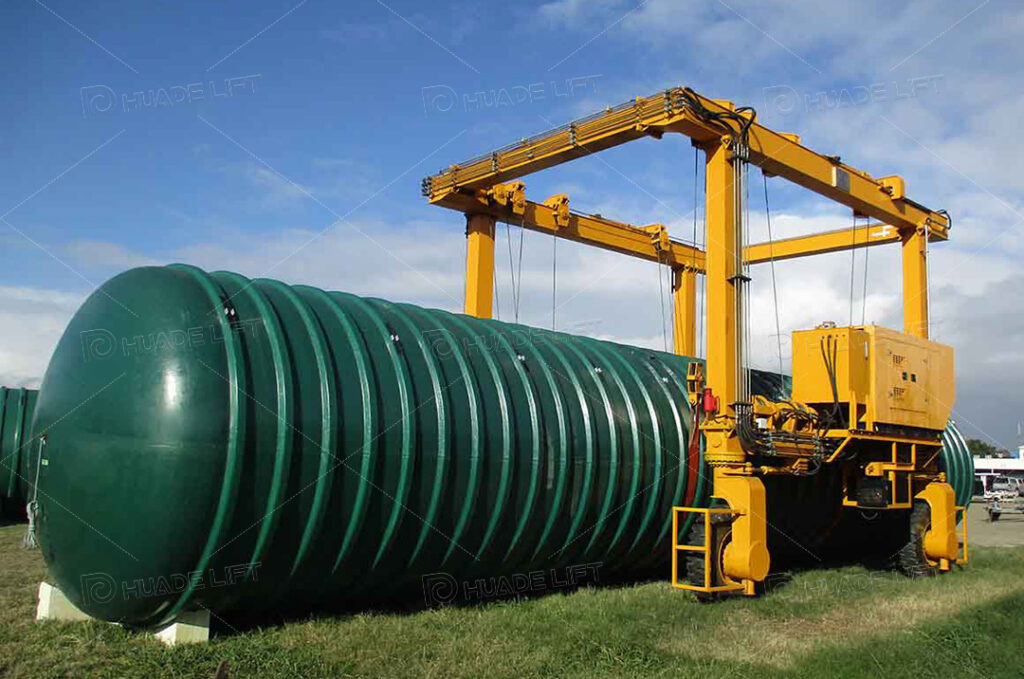
The rubber tyre gantry crane is a gantry-type lifting device that moves on tyres. It primarily consists of a main girder, end beams, outriggers, hoisting mechanism, traveling mechanism, and electrical system. Its operating principle involves lifting materials through the hoisting mechanism and moving the crane across the ground via the traveling mechanism, thereby accomplishing material handling, loading/unloading, and stacking operations between different areas. During operation, the electrical system supplies power and control signals to each mechanism, ensuring stable and precise crane performance.
Key Features of the Rubber Tyre Gantry Crane
Exceptional Mobility
Featuring a tyre-mounted design, this crane requires no track installation and can freely traverse different areas within a factory without fixed path constraints. It navigates seamlessly through both spacious production halls and narrow warehouse aisles, effortlessly reaching designated material handling locations. This significantly enhances material handling flexibility and coverage.
Robust Lifting Capacity
Tailored to diverse factory requirements, rubber tyre gantry cranes offer lifting capacities ranging from several tons to dozens of tons, accommodating the handling of materials of varying weights. They effortlessly manage heavy raw materials like steel and ore, as well as large components, ensuring safe and efficient material transfer.
Excellent Adaptability to Factory Layouts
Modern factory layouts are diverse and subject to adjustments based on production needs. The rubber tyre gantry crane adapts well to these changes. Whether in rectangular or irregularly shaped facilities, or production environments with various obstacles, it achieves smooth material handling by adjusting its operating routes and methods. It also coordinates seamlessly with existing factory equipment and facilities, integrating into the overall production layout.
Comparison of Rubber Tyre Gantry Cranes with Other Material Handling Equipment
Comparison with Forklifts
Rubber tyre gantry cranes offer superior lifting height and load capacity compared to forklifts. Forklifts are typically suited for short-distance, low-height material handling with limited load capacity and lifting height, making them inadequate for long-distance transport and high-level stacking of large, heavy materials. Rubber tyre gantry cranes, however, achieve greater stacking heights, efficiently utilizing vertical factory space while enabling extended-distance material transfers. This enhances material handling efficiency and space utilization.
Comparison with Bridge Cranes
Compared to bridge cranes, rubber tyre gantry cranes offer superior flexibility. Bridge cranes require overhead tracks installed in factory ceilings, limiting their operational range to the track path and preventing movement beyond it. Rubber tyre gantry cranes, however, operate without tracks, enabling movement throughout any area of the factory. This broader operational scope provides a distinct advantage for facilities requiring material handling across multiple dispersed zones.
Cost-Saving Advantages of Rubber Tyre Gantry Cranes
Reducing Labor Costs Through Automation
Rubber tyre gantry cranes feature high automation capabilities, with advanced control systems enabling automated material handling operations. During material transfer, complex manual operations are eliminated, requiring only a few operators for monitoring and assistance. Compared to traditional material handling methods, this automation significantly reduces the number of operators needed.
Furthermore, the semi-automatic and fully automatic functions of rubber tyre gantry cranes further reduce reliance on manual labor. In semi-automatic mode, the crane performs partial operations according to preset programs, requiring only simple operator intervention and adjustments. In fully automatic mode, the crane autonomously completes a series of tasks—including material identification, grasping, transportation, and stacking—based on system instructions, with minimal human involvement.
Consider a large machinery manufacturing plant: prior to introducing rubber tyre gantry cranes, the facility relied heavily on numerous forklifts and operators for material handling, requiring dozens of forklift operators alone and incurring substantial monthly labor costs. After implementing the rubber tyre gantry crane, its automated operation requires only a few operators for monitoring and management. This significantly reduced the number of forklifts and operators needed, substantially lowering monthly labor costs and achieving notable savings in personnel expenses.
Accelerating Material Turnover Speed
The rubber tyre gantry crane boasts outstanding mobility. Its tyres are made of high-strength, wear-resistant materials, and combined with a powerful drive system, it can travel rapidly across factory floors to achieve swift material transfer. Whether coordinating materials between different production lines within a workshop or transporting goods between warehouses and production areas, it completes tasks at a faster pace, greatly reducing time spent on material handling.
In terms of material handling route planning, rubber tyre gantry cranes offer flexible route adjustment capabilities. They can automatically adapt transport paths based on real-time production status, material distribution, and traffic conditions within the factory, avoiding congested areas and obstacles to minimize bottlenecks and idle time during material handling. For instance, when equipment failure in a specific area causes material accumulation, the rubber tyre gantry crane can promptly reroute to transfer materials to alternative zones. This prevents prolonged material stagnation, ensuring uninterrupted production flow.
Accelerated material turnover directly enhances production line efficiency and overall throughput. Timely material supply to production lines prevents interruptions caused by shortages, enabling continuous and stable operation of production equipment. Simultaneously, rapid material circulation shortens product lead times, boosts the factory’s overall production capacity, and allows faster fulfillment of market demand, thereby strengthening the factory’s competitive edge.
Reduced Maintenance and Energy Costs
Rubber tyre gantry cranes utilize high-quality materials and advanced manufacturing techniques. Their robust structural design ensures durability with excellent wear and corrosion resistance, enabling long-term stable operation in harsh factory environments. This reduces downtime caused by equipment failures. Compared to traditional material handling equipment, rubber tyre gantry cranes exhibit lower failure rates, significantly decreasing maintenance frequency and costs.
In terms of energy consumption, rubber tyre gantry cranes are equipped with high-efficiency, energy-saving motors. These motors incorporate advanced energy-saving technologies that effectively reduce electrical consumption while ensuring normal crane operation. Compared to standard motors, energy-saving motors can lower energy consumption by a certain percentage, resulting in substantial long-term electricity cost savings for factories.
Additionally, rubber tyre gantry cranes boast extended service life. Thanks to premium components and excellent maintainability, they can operate reliably for many years under normal usage and regular maintenance, reducing replacement frequency and associated costs. Compared to frequent equipment replacements, long-term utilization of rubber tyre gantry cranes significantly lowers factory expenditures on equipment procurement, further enhancing cost savings.
Optimizing Factory Space Utilization
Rubber tyre gantry cranes possess robust vertical stacking capabilities, enabling multi-level material stacking in the vertical direction. In factory warehouses or production workshops, traditional material storage methods typically utilize only lower spaces, resulting in substantial wasted vertical space. In contrast, rubber tyre gantry cranes can stack materials to greater heights, fully utilizing vertical factory space. This substantially increases storage capacity without expanding warehouse footprint.
By enhancing vertical space utilization, rubber tyre gantry cranes effectively reduce warehouse land requirements. For factories, reduced warehouse footprint frees up space for production areas, offices, and other functional zones, optimizing overall facility layout. This also lowers costs associated with land leasing or building construction.
Additionally, rubber tyre gantry cranes enable orderly material stacking during handling and storage. They can stack materials neatly in designated locations according to preset rules and requirements, preventing disorderly accumulation. This organized stacking method not only creates a cleaner, more standardized factory layout but also reduces safety hazards caused by chaotic material storage, lowering accident rates and fostering a safer, more orderly production environment.
Optimizing Workflow with Rubber Tyre Gantry Cranes
Enabling Predictive Maintenance
Rubber tyre gantry cranes are equipped with advanced sensor systems that continuously monitor the operational status of all components in real time. This includes parameters such as motor speed, temperature, and vibration; gearbox oil temperature and pressure; and brake system performance. By collecting and analyzing this operational data instantly, potential crane malfunctions can be detected promptly.
When sensors detect abnormal operating parameters in a component, the system automatically issues an early warning signal and feeds back relevant information to maintenance personnel. Based on these alerts, maintenance teams can proactively schedule inspections, repairs, or replacements for potentially failing components, preventing sudden breakdowns. This predictive maintenance approach minimizes crane downtime, prevents production interruptions caused by equipment failures, and reduces costly repairs resulting from sudden breakdowns.
Enhancing Overall Plant Efficiency
Rubber tyre gantry cranes optimize material flow from storage areas to production zones. Traditional material handling methods involve multiple transfers and handling operations, increasing the risk of material damage and prolonging the time required for materials to reach the production line. In contrast, rubber tyre gantry cranes can directly transport materials from storage areas to designated workstations on the production line, eliminating intermediate transfer steps, shortening material transit times, and improving material supply efficiency.
Rubber tyre gantry cranes directly impact production capacity and cost savings. By optimizing material handling processes and improving supply efficiency, factory production capacity is significantly enhanced, enabling greater output within the same timeframe. Simultaneously, reduced labor costs, maintenance expenses, energy consumption, and inventory costs lead to substantial overall cost reductions. This expands profit margins and strengthens the factory’s competitive edge in the market.
Selecting the Right Mobile Gantry Crane for Your Factory
Key Selection Factors
Lifting Capacity
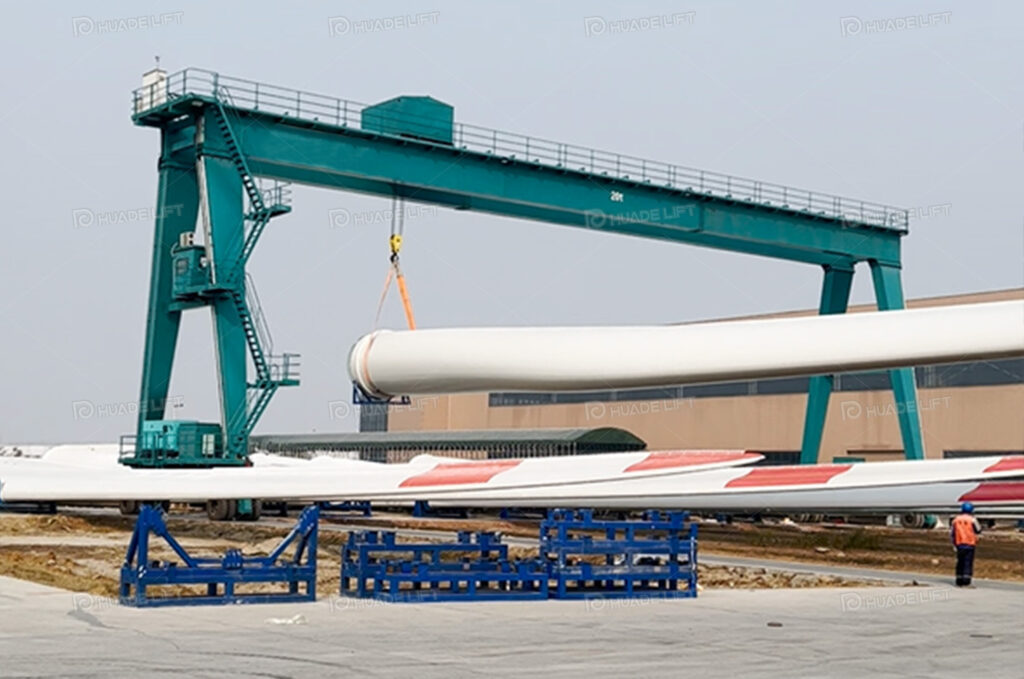
Determine the crane’s lifting capacity based on the types and weights of materials routinely handled. For factories primarily moving lightweight items like small components, a crane with lower lifting capacity suffices. For heavy-duty materials like steel or large equipment components, a higher-capacity crane is required to ensure safe and efficient material handling. Additionally, account for future business expansion by incorporating a margin of lifting capacity to prevent obsolescence as operations grow.
Span
The span of a rubber tyre gantry crane refers to the distance between the ends of the main beam. This dimension must be determined based on the factory building width, the size of the material storage area, and the planned material handling route. If the factory building is wide or material handling requires crossing broad storage areas, a gantry crane with a larger span is necessary. Conversely, if space is limited and handling routes are narrow, a crane with a smaller span is more suitable. An appropriate span ensures smooth operation within the facility and enhances efficiency.
Automation Level
Select the automation level of the rubber tyre gantry crane based on the factory’s automation status and production requirements. For highly automated factories seeking to further reduce manual intervention while improving operational efficiency and accuracy, fully automated or highly automated rubber tyre gantry cranes are recommended. These enable fully automated material handling operations throughout the entire process. For factories with lower automation levels or requiring manual assistance, semi-automatic or manually operated gantry cranes can be selected. These meet basic material handling needs while reducing equipment acquisition costs.
Customization Options for Different Industries
Factories across various industries have distinct characteristics and requirements for material handling, necessitating corresponding customization options for gantry cranes. In the automotive manufacturing sector, materials handled primarily include automotive components and vehicle frames. These items vary significantly in shape and size while demanding high precision during handling. Consequently, rubber tyre gantry cranes tailored for automotive manufacturing are typically equipped with high-precision positioning systems and specialized clamping devices to ensure materials are transported accurately and safely to designated locations.
In the chemical industry, materials handled are predominantly liquid, gas, or powdered chemical tanks. These substances possess corrosive, flammable, or explosive properties, demanding high crane safety and corrosion resistance. Customized rubber tyre gantry cranes for this sector are typically constructed from corrosion-resistant materials and equipped with explosion-proof electrical systems and safety protection devices to prevent accidents during material handling.
In the construction industry, materials requiring handling primarily include cement, sand, gravel, steel bars, and other building materials. These items are heavy and often handled in harsh environments. Customized rubber tyre gantry cranes for construction typically feature higher lifting capacities and enhanced durability. They are also equipped with tyres and protective devices suited for challenging conditions, ensuring stable and reliable operation in complex construction sites.
Conclusion
In summary, rubber tyre gantry cranes offer significant advantages in helping factories reduce material handling costs. By leveraging automation to lower labor expenses, accelerate material turnover, decrease maintenance and energy consumption costs, and optimize factory space utilization, these cranes generate substantial savings and enhance capital efficiency.
Simultaneously, these cranes optimize factory workflows, integrate seamlessly with logistics systems, enable predictive maintenance, and elevate overall plant efficiency—further strengthening market competitiveness. Their superior efficiency, safety, and long-term financial benefits make rubber tyre gantry cranes the ideal choice for modern factory material handling.
